By Emmett Caldwell
A solar power hot water system uses sunlight to heat water for your home, usually cutting the energy your water heater would otherwise burn or draw from the grid. In this guide you will learn how the main system types work, how to estimate the collector area and storage tank you need, which components belong in a sound installation, and how to avoid the mistakes that cause most underperforming setups. The steps below apply to both DIY builds and professionally installed systems.
How a Solar Power Hot Water System Works
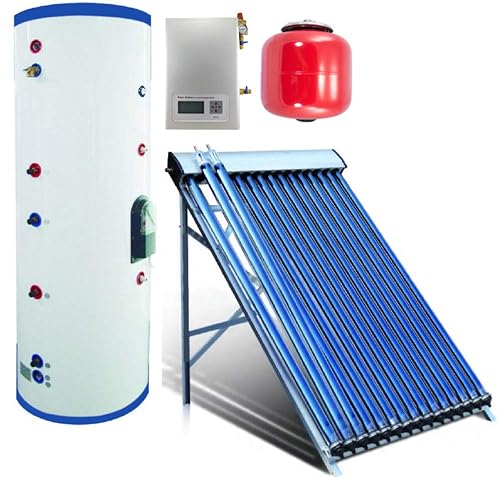
Every solar hot water system does the same basic job. A collector absorbs solar radiation and transfers the heat into a fluid, which is either water itself or a glycol-based heat transfer fluid. That heat moves to a storage tank through a heat exchanger or directly, and a controller decides when the pump should run. When the tank reaches the set temperature, the system stops adding heat, and the stored water is drawn for showers, sinks and appliances.
Shopping for one? See our guide: 8 Best Solar Hot Water System Off Grid Picks for Homes (2026).
The main architectural choices are:
- Direct (open-loop) systems, where potable water flows through the collector. These are simple and efficient but need freeze protection in cold climates and suitable water quality to avoid scaling.
- Indirect (closed-loop) systems, where a glycol solution circulates through the collector and a heat exchanger transfers heat into the potable water. These handle freezing well and are common in colder regions.
- Passive thermosiphon systems, where hot water rises naturally into a tank mounted above the collector. No pump is needed, though the tank must sit higher than the collector. See our article on Thermosiphon Solar Water Heaters: Natural Circulation Explained for the details.
- Batch (integrated collector storage) systems, where the tank itself acts as the collector. These are the simplest option for warm climates.
Step 1: Estimate Your Hot Water Demand
Size everything from demand, not from the roof you happen to have. Start by estimating how many gallons of hot water your household uses per day. A common planning figure for a standard shower is around 15 to 20 gallons at a mixed temperature, though low-flow fixtures reduce that. Add up each daily use: showers, dishwashing, laundry and cleaning.
Once you have a daily total, you can set a storage volume. Many designers aim for a tank holding one to one and a half days of average use, which buffers cloudy weather without oversizing the system. For a more detailed method, see How to Estimate Your Household Hot Water Needs Before Going Solar.
Step 2: Assess Your Site
Before buying parts, confirm that the location can support the system. You need:
- A south-facing roof surface in the Northern Hemisphere (or north-facing in the Southern Hemisphere), ideally within about 15 to 20 degrees of your latitude for the tilt.
- Little or no shading from 9 a.m. to 3 p.m. during the seasons you use the most hot water.
- Enough structural capacity for the filled collector and tank. Water is heavy, and a full tank can weigh several hundred pounds.
- A reachable path for piping from the roof to the water heater location, kept as short as practical to limit heat loss.
Use Site Assessment for a Solar Water Heater: Sun, Shade, Roof and Space and Roof and Structural Safety for Solar Water Heaters to check these points carefully.
Step 3: Size the Collector Area
Collector area is usually expressed in square feet of aperture area. A widely used rule of thumb is roughly one square foot of collector per gallon of daily hot water demand in a sunny climate, with more area needed in cloudy or cold regions. Treat this as a starting point and refine it with local solar data from your regional energy office or a reputable solar resource map.
| Climate | Typical planning approach | Storage note |
|---|---|---|
| Sunny, warm (year-round) | Lower collector area per gallon of demand | Smaller tank is often sufficient |
| Mixed seasons | Size for the lowest-sun month you rely on | Plan for one day of storage or more |
| Cold or cloudy | Larger collector area and more freeze protection | Larger tank and a backup heater are important |
Step 4: Choose the Storage Tank and Safety Components
The storage tank should be insulated, rated for the pressure and temperature of your system, and fitted with the correct connections. Most installations use a tank with at least 2 inches of insulation. Check the material and listing before you buy. For sizing and types, see Solar Hot Water Storage Tanks: Sizing, Types and Safety Parts.
Every system needs safety hardware. At minimum, plan for:
- A temperature and pressure relief valve sized and rated for the tank.
- An expansion tank to absorb thermal expansion of the water.
- A check valve and isolation valves for service.
- A thermostatic mixing valve or tempering valve to limit delivered water temperature. Read Preventing Scalding From Solar Hot Water: Tempering Valves and Settings before setting thermostats.
- An auxiliary heater, electric or gas, so hot water remains available on cloudy days.
Step 5: Plan the Controls and Piping
A differential controller compares the temperature at the collector with the temperature at the bottom of the tank. When the collector is meaningfully hotter, the controller starts the pump. When the difference falls, it stops. This prevents the system from pulling cool water from the tank into a sunless collector. Learn how this works in Solar Water Heater Controls and Sensors: How Differential Control Works.
For piping, use materials rated for the temperatures involved and insulate every hot run. Keep runs short, use a consistent slope so air can vent, and avoid unnecessary elbows. More detail is in Piping for Solar Water Heaters: Materials, Insulation and Layout.
Step 6: Install, Test and Commission
Once the components are in place, follow this sequence:
- Mount the collector securely on the roof with proper flashing and waterproofing.
- Install the tank and connect the piping, insulating all hot lines.
- Fill and purge the system, bleeding air from the high points.
- Pressure test the system and check every joint for leaks.
- Set the controller, verify the sensor locations and confirm the pump starts and stops correctly.
- Set the mixing valve to a safe delivered temperature and verify it with a thermometer at a tap.
Permits and code requirements vary by location. Review Solar Water Heater Codes, Permits and Professional Review and consult a licensed professional, especially for roof penetrations, gas or electric backup and any work involving potable water connections.
Tools and Materials Checklist
- Pipe cutter, deburring tool and appropriate fittings for your piping material
- Pipe insulation rated for hot water and outdoor exposure
- Pressure gauge and a test pump or hose for pressure testing
- Digital thermometer for verifying tap temperatures
- Roof flashing kit and sealant rated for exterior use
- Differential controller, temperature sensors and wiring supplies
- Expansion tank, relief valve and check valve
Common Mistakes
- Undersizing storage. A small tank runs out during peak use or after a cloudy stretch.
- Skipping freeze protection. Direct systems in cold regions can burst if water is left in the collector overnight.
- Ignoring water quality. Hard water scales collectors and heat exchangers. Review Water Quality and Scaling in Solar Water Heaters.
- Leaving out a mixing valve. Stored water can exceed safe tap temperatures, creating a scald risk.
- Poor insulation. Uninsulated piping and tanks can lose a large share of the heat you collected.
- Mounting in shade. Even partial shade on the collector can cut output significantly.
Tips for Better Performance
- Keep piping runs short and insulated to reduce heat loss between roof and tank.
- Check the controller and sensors seasonally, since a failed sensor can silently stop heat collection.
- Clean the collector glazing when dust or debris builds up.
- Log tank temperatures for a few weeks to see whether the system is meeting your demand.
Recommended gear
A reliable digital thermometer makes it easy to confirm that your tempering valve is delivering safe water temperatures at the tap. View on Amazon
Pipe insulation designed for hot water lines helps keep heat in the system between the collector and storage tank. View on Amazon
A pressure test gauge lets you verify that the closed loop holds pressure before you commission the system. View on Amazon
FAQ
How much hot water can a solar power hot water system provide?
Output depends on collector area, storage volume, climate and how much hot water you use. Well-sized systems in sunny regions often supply a large share of household needs, while cloudy or cold regions usually rely on a backup heater for part of the year.
Does a solar power hot water system work in winter?
It does, but output drops as days shorten and sun angles fall. Indirect systems with glycol protection are commonly used in cold climates, and many homes keep a backup heater for winter reliability.
Do I need a backup water heater?
In most climates, yes. A backup heater covers cloudy periods and high-demand days. It can be electric or gas and is usually controlled to heat only when the solar storage falls below a set temperature.
Can I build a solar power hot water system myself?
Some homeowners build simple systems, but code requirements, pressure ratings and roof work make professional review advisable. Check local permit rules before starting.
What temperature should I set my stored water to?
Storage is often kept hot enough to prevent bacterial growth while a tempering valve limits delivered water to a safe level, commonly around 120 degrees Fahrenheit at the tap. Confirm the appropriate setting for your system and household.
How long does a solar hot water system last?
Lifespan varies with materials, water quality and maintenance. Collectors and tanks are often designed for many years of service, but pumps, controllers and seals may need replacement sooner.
Is a solar power hot water system worth it for a small home?
It can be, especially where sunshine is reliable and hot water demand is steady. A smaller system with a compact tank may suit a modest household. See Is a DIY Solar Water Heater Right for You? A Decision Guide to weigh the tradeoffs.
What maintenance does a solar hot water system need?
Check pressure and temperature gauges periodically, inspect the relief valve, clean the collector when dirty and verify the controller. Flush the system as recommended by the manufacturer, especially in hard-water areas.
Conclusion
A solar power hot water system works best when it is sized from real household demand, sited with good sun exposure and built with proper safety and freeze protection. Work through the site assessment, sizing and component choices in order, and verify tap temperatures and controls before relying on the system. When in doubt about permits, structural loads or gas and electric backup, consult a licensed professional.
Related reading
- Solar Hot Water System Suppliers: How to Choose the Right One (2026)
- How to Install Solar Hot Water System: A Step-by-Step Guide for Beginners
- Apricus Solar Hot Water System: A Step-by-Step Guide for Beginners
Ready to choose one?

About Emmett Caldwell
Emmett covers solar water heaters, comparing specs, features and long-term owner feedback to help readers choose with confidence.