By Emmett Caldwell
A 300 litre solar hot water system price depends less on the tank size than most buyers expect. The collector type, the tank construction, whether you choose an active or passive layout, and how much of the installation you handle yourself all shift the total. This guide walks through each cost driver, explains what you get at different levels of complexity, and gives you a planning checklist so you can compare quotes or build parts yourself with confidence. Manufacturers’ specifications and local code requirements should always be checked before you buy, and a licensed plumber or solar installer should review any system tied into your home’s potable water.
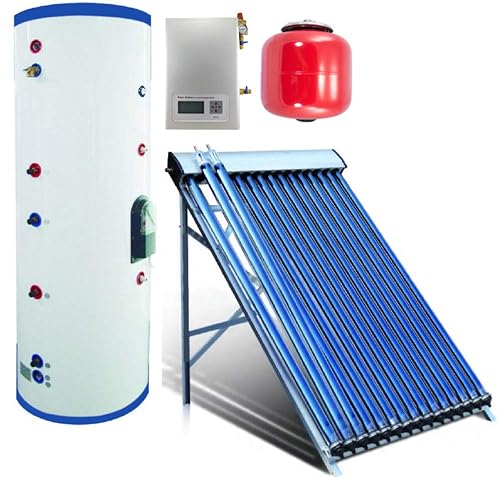
What a 300 Litre System Actually Includes
Before comparing numbers, it helps to know what a complete 300 litre system contains. Quotes and product listings often bundle different components, so two offers that look similar may differ by several parts.
Shopping for one? See our guide: 8 Best Solar Hot Water System Off Grid Picks for Homes (2026).
- A storage tank rated at roughly 300 litres, usually insulated and built for hot water service
- One or more solar collectors (flat plate or evacuated tube)
- Mounting frame or racking for the roof or ground
- Piping, fittings, and pipe insulation between the collectors and the tank
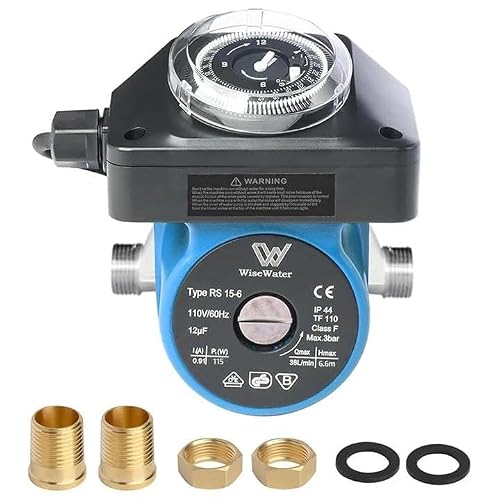
- Heat transfer fluid and a circulation pump, for active systems
- A controller with temperature sensors
- Pressure relief valve, check valves, expansion vessel, and drain-down or freeze protection hardware
- A backup heating element or connection to an existing water heater
- A thermostatic mixing valve to limit delivery temperature
If a listing omits the controller, the mixing valve, or the safety relief hardware, the real installed cost will rise. Confirm what is included line by line.
The Main Factors That Set the Price
Several variables account for most of the difference between a basic setup and a premium one. Work through them in order, because each one narrows the range.
Collector Type
Evacuated tube collectors generally cost more per unit than flat plate collectors, but they retain heat better in cold weather and perform more consistently in partly cloudy climates. Flat plate collectors are typically the budget choice for mild regions with plenty of direct sun. The number of collectors needed depends on your climate and daily hot water demand, so a 300 litre tank may be served by two to four collectors depending on location.
Tank Construction and Insulation
Not all 300 litre tanks are equal. Look at wall thickness, the insulation material and depth, and whether the tank has a vitreous enamel or stainless steel inner surface. Thicker polyurethane foam insulation holds heat longer overnight and reduces standby loss. Stainless steel interiors cost more but resist corrosion better in areas with aggressive water chemistry (see the water quality section below).
Active Versus Passive Layout
A passive or thermosiphon system relies on natural convection and needs no pump, which lowers the component count and eliminates pump electricity. An active system uses a pump, sensors, and a controller to move heat when the collectors are hotter than the tank. Active systems usually cost more to buy but can be installed in more flexible positions, including cases where the tank sits below the roof. For background on the passive approach, see Thermosiphon Solar Water Heaters: Natural Circulation Explained.
Controls and Sensors
Differential controllers compare the collector temperature with the tank temperature and switch the pump on only when there is useful heat to collect. Basic units are inexpensive, while units with data logging, freeze protection logic, and multiple zones cost more. Sensor quality matters because a faulty sensor can cause overheating or wasted pump runtime.
Installation Labor and Site Conditions
Labor is often the largest variable after the hardware itself. Roof-mounted installs on steep pitches, long pipe runs, and tight access all add time. Ground or wall mounting is usually simpler. If you are working near a permitted electrical or gas connection, licensed trades may be required, which adds to the total. Local rules on roof penetrations, structural loading, and pressure equipment also apply. The guide on Solar Water Heater Codes, Permits and Professional Review covers when a permit or inspection is needed.
Comparing Typical Configurations
The table below groups 300 litre systems by complexity rather than by dollar figure, since prices vary widely by region and supplier. Use it to decide which tier matches your needs and budget.
| Configuration | Typical Components | Best Fit | Main Trade-off |
|---|---|---|---|
| Basic passive kit | Integrated tank and flat plate collector, no pump | Mild climates, simple roof access | Limited flexibility in tank placement |
| Standard active system | Separate tank, flat plate or evacuated tube collectors, pump, differential controller | Most single-family homes | Pump electricity and maintenance |
| Premium active system | Evacuated tubes, insulated stainless tank, data logging controller, full safety package | Cold or cloudy climates, higher hot water demand | Higher upfront and installation labor |
| Hybrid with backup heater | Standard active system plus electric or gas backup element | Households needing guaranteed hot water year-round | Backup energy use when sun is weak |
Step-by-Step: Planning Your Budget
Use this sequence to build a realistic estimate before you request quotes or start buying parts.
- Estimate daily hot water use. A typical household uses 40 to 60 litres per person per day at a standard shower temperature, though habits vary widely. The method in How to Estimate Your Household Hot Water Needs Before Going Solar will give you a more precise figure.
- Check your solar resource. Local sun hours and winter conditions determine how many collector area square metres you need, which directly affects the hardware count.
- Choose a collector type based on climate. Mild and sunny suggests flat plate. Cold, cloudy, or frost-prone suggests evacuated tubes or a freeze-protected layout.
- Decide on passive or active layout. Consider roof position relative to the tank and whether you want to avoid pump electricity.
- List every component from the earlier list and mark which ones are included in each supplier’s offer.
- Get at least three written quotes that break out hardware, labor, permits, and any extra parts. Compare them on identical scope.
- Add a contingency for roof work, extra piping, or code upgrades discovered during the install.
Tools and Materials for a DIY Build
If you plan to build or assemble part of the system yourself, the following list covers the core tools. Check local rules before doing any work on gas, electrical, or pressurized connections.
- Pipe cutter and deburring tool for copper or PEX lines
- Soldering or press-fit tools matched to your piping material
- Pipe insulation rated for high temperatures
- Pressure gauge and drain valve for testing
- Roof flashing kit and sealant rated for outdoor exposure
- Level, tape measure, and mounting hardware rated for the collector weight
- Multimeter for checking sensor and pump wiring
Common Mistakes
- Comparing quotes that include different scope. One supplier may omit the controller, mixing valve, or freeze protection, which can make a lower total misleading.
- Undersizing collectors for winter demand. A system that works in summer may leave you without hot water in January.
- Skipping the mixing valve. Stored solar water can reach temperatures that scald. See Preventing Scalding From Solar Hot Water: Tempering Valves and Settings for safe setpoints.
- Ignoring water quality. Hard water scales collectors and tanks over time. Plan for filtration or softening where needed, as discussed in Water Quality and Scaling in Solar Water Heaters.
- Underestimating roof load. Filled collectors and a full tank are heavy. Confirm structural capacity before mounting.
- Forgetting maintenance costs. Pump replacement, fluid changes, and controller batteries should be part of your long-term budget.
Tips for Getting a Fair Price
- Ask each supplier for the same written specification so you can compare like with like.
- Request the warranty terms for tank, collectors, and controller separately. Warranties differ.
- Check whether the quote includes commissioning and a performance test.
- Look for used or refurbished components only from reputable sellers, and inspect them for corrosion and seal condition.
- Time purchases for off-season periods if your supplier offers seasonal scheduling.
FAQ
Is a 300 litre tank big enough for a family of four?
It often works for a family of four with moderate use, but actual needs depend on showers, laundry, and dishwashing habits. Calculate daily litres used and compare that to the usable storage, allowing for some stratification and standby loss.
Do solar water heaters need a backup heater?
Most homes in cloudy or cold regions use a backup element or connection to an existing heater. In very sunny climates some households skip it, but a backup protects you during long overcast periods.
How long does a 300 litre system usually last?
Tank life depends on water chemistry, insulation quality, and maintenance. Manufacturers typically publish warranty periods for the tank and collectors, so check those documents rather than relying on a general figure.
Can I install a 300 litre system myself?
Some people do assemble passive or simplified systems, but connections to potable water, pressure equipment, and electrical controls often require a licensed professional. Check local codes and insurance requirements first.
Does the pump use much electricity?
Circulation pumps in active systems are generally low wattage, and many run only during daylight when collectors are hot. Actual use depends on the model and runtime, so review the pump specification.
What maintenance does the system need?
Plan for periodic checks of pressure, fluid level in closed loops, sensor function, and visible scale or leaks. Schedule an inspection annually or as the manufacturer recommends.
Are there safety risks with stored hot water?
Yes. Without a tempering valve, stored water can exceed safe delivery temperatures. A thermostatic mixing valve and proper relief hardware are essential. A licensed plumber should confirm the setup.
Conclusion
The 300 litre solar hot water system price is shaped mainly by collector type, tank quality, layout, controls, and installation complexity. Decide on your climate and hot water demand first, then compare quotes on the same scope so the numbers are meaningful. A complete, properly protected system with a mixing valve and freeze strategy will serve you better than the lowest-priced kit with missing parts.
Related reading
- Apricus Solar Hot Water System Price: What to Expect and How to Plan Your Budget
- Solar Hot Water System Suppliers: How to Choose the Right One (2026)
- How to Install Solar Hot Water System: A Step-by-Step Guide for Beginners
- Apricus Solar Hot Water System: A Step-by-Step Guide for Beginners
- 6 Best Indirect Solar Hot Water System Options for Homes (2026)
- Solar Water Heater Temperature Problems: Too Cold or Too Hot
Ready to choose one?

About Emmett Caldwell
Emmett covers solar water heaters, comparing specs, features and long-term owner feedback to help readers choose with confidence.