By Emmett Caldwell
A solar hot water heating system cost depends on far more than the collector panels you see on a roof. In this guide you will learn how to break the total into its parts, estimate the components that matter most for your household, and build a realistic budget before you buy anything. The method works whether you are planning a full installation or a DIY build, and it shows where you can save and where cutting corners will cost you later.
Step 1: Estimate Your Hot Water Demand First
Every other number in your budget flows from how much hot water you use. A system sized too small will leave you with cold showers in winter, while an oversized one adds collector area, tank volume and piping that you pay for and never use. Before pricing hardware, work out your daily demand in gallons at your target delivery temperature. Our guide on How to Estimate Your Household Hot Water Needs Before Going Solar walks through the fixture-by-fixture method.
Shopping for one? See our guide: 8 Best Solar Hot Water System Off Grid Picks for Homes (2026).
As a rough planning figure, many households use somewhere between 15 and 25 gallons of hot water per person per day, but your own habits matter more than averages. Write down how many showers, loads of laundry and dishwasher cycles you run each week, then convert those into gallons.
Step 2: Understand the Main Cost Components
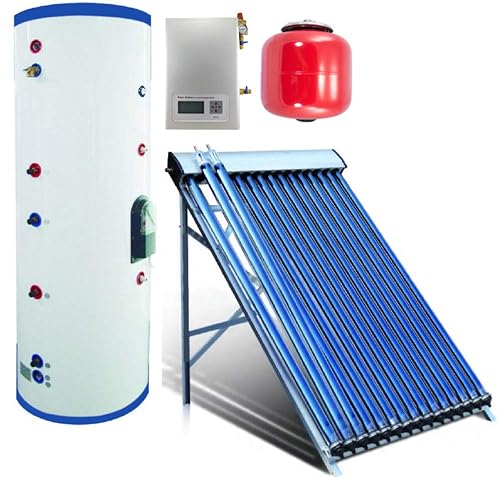
A solar hot water system has five major cost groups. Knowing them helps you see which line items move the total the most.
- Collectors: Flat plate, evacuated tube and batch (integrated collector storage) units each carry different hardware and install requirements.
- Storage tank: Size, insulation quality and whether it includes backup heating all affect price. See Solar Hot Water Storage Tanks: Sizing, Types and Safety Parts for sizing guidance.
- Circulation and controls: Pumps, differential controllers, sensors and, in some designs, heat exchangers.
- Piping, mounting and insulation: Roof or ground racks, copper or PEX lines, valves, fittings and insulation jacketing.
- Labor, permits and inspection: Professional installation labor is often the largest single line item, and permit fees vary by jurisdiction.
Step 3: Compare Collector Types and Their Cost Impact
The collector type you choose is often the biggest driver of hardware cost, but it also affects installation complexity and long-term performance. The table below summarizes typical tradeoffs in general terms.
| Collector type | Typical strengths | Typical tradeoffs | Best fit |
|---|---|---|---|
| Flat plate | Mature design, simple mounting, easy to service | Larger area needed, more heat loss in cold weather | Mild to moderate climates, roof-mounted installs |
| Evacuated tube | Better performance in cold or cloudy conditions | Tubes can break, more complex fittings | Cold climates, budget-conscious buyers who accept some fragility |
| Batch (ICS) | Simple, low component count, storage built in | Heavy when full, exposed to freezing unless protected | Warm climates, DIY builders with suitable roof load capacity |
For a deeper comparison, see Solar Water Heater Collectors: Batch, Flat Plate and Evacuated Tube.
Step 4: Factor in Active vs. Passive Design
Passive systems, such as thermosiphon and batch designs, rely on natural circulation or simple gravity flow. They use fewer parts, so their hardware cost is usually lower. Active systems use a pump, a differential controller and temperature sensors. Those parts add cost and a small electricity draw, but they let you place the storage tank in a more convenient location and often improve efficiency. Thermosiphon Solar Water Heaters: Natural Circulation Explained covers the passive approach in detail, and Solar Water Heater Controls and Sensors: How Differential Control Works explains what the active control hardware does.
Step 5: Account for Piping, Insulation and Freeze Protection
Piping is a cost category people often underestimate. Runs from the collector to the tank need insulation rated for the temperatures involved, and in freezing climates you need a freeze protection strategy. Options include drain-back designs, glycol loops with a heat exchanger, or electric heat tape with insulation. Each adds parts and labor. If you live where winters bring hard freezes, read Winterizing a DIY Solar Water Heater: Freeze Protection Options before you finalize your plan.
Water quality also affects long-term maintenance costs. Hard water can scale heat exchangers and tank elements. Our article on Water Quality and Scaling in Solar Water Heaters explains when a filter or softener is worth budgeting for.
Step 6: Plan for Safety Components and Mixing Valves
Solar storage tanks can reach temperatures high enough to scald, especially on sunny days in summer. A thermostatic mixing valve is a necessary safety part, not an optional extra, and most installations also need pressure relief and temperature-and-pressure relief valves. Budget for these from the start. Preventing Scalding From Solar Hot Water: Tempering Valves and Settings explains the required settings, and Pressure and Temperature Safety in Solar Water Heaters covers the relief hardware.
Step 7: Price Permits, Codes and Professional Review
Many jurisdictions require a permit for solar thermal installations, particularly where the work touches roofing, structural framing or potable water plumbing. Inspection fees and the time for plan review can add to the project timeline. Check your local building department early, and confirm whether a licensed plumber or contractor must do any portion of the work. See Solar Water Heater Codes, Permits and Professional Review for what to ask.
Step 8: Build a Line-Item Budget Checklist
Use this checklist to assemble your own estimate. Fill in quantities and quotes for each line.
- Daily hot water demand in gallons and target temperature
- Collector type, count and total area
- Storage tank size, material and insulation rating
- Pump, differential controller and sensors (active systems only)
- Mixing valve, relief valves and check valves
- Piping material, length, insulation and fittings
- Freeze protection components, if applicable
- Mounting hardware, roof flashing and structural reinforcement if needed
- Backup heating connection and its components
- Permit and inspection fees
- Labor, either professional or your own time and tools
- Contingency for unexpected roof, plumbing or electrical issues
Step 9: Check Site Conditions That Change the Bill
Your site can raise or lower the total significantly. Shading, roof orientation, roof pitch, structural capacity and the distance between collector and tank all change what you need. A site with strong sun, a south-facing roof and short piping run is usually cheaper to equip than one with partial shade and a long run through finished walls. Walk your site with the checklist in Site Assessment for a Solar Water Heater: Sun, Shade, Roof and Space, and confirm roof load capacity using Roof and Structural Safety for Solar Water Heaters. If you are unsure about structural loads, consult a licensed structural engineer or roofing professional before committing money to hardware.
Common Mistakes
- Buying collectors before sizing the system. This often leads to oversized or undersized arrays.
- Skipping the mixing valve. Scald protection is a required safety item, not a luxury.
- Underbudgeting insulation. Poorly insulated piping wastes the heat you paid to collect.
- Ignoring freeze protection in cold climates. Frozen collectors can crack, and repairs cost more than the protection would have.
- Forgetting permits. Unpermitted work can complicate insurance claims and home sales.
- No contingency line. Roof repairs and hidden plumbing problems are common enough to plan for.
Tips for Keeping Costs Reasonable
- Get at least three written quotes for the same specification so you can compare line by line.
- Ask whether a budget pick or a premium option meets the same code and performance requirements for your climate.
- Consider a phased approach: install collectors and piping now, and add controls or a larger tank later.
- Check whether your utility or local government offers rebates or incentives, and confirm eligibility before purchase.
- For DIY work, start with a small demonstration project to build skill; Small Solar Water Heating Demonstration Projects: Learning Safely is a good starting point.
Recommended gear
These tools help you measure, plan and document your system before purchase and during installation.
- Digital multimeter: Useful for checking pump and sensor wiring before commissioning. View on Amazon
- Infrared thermometer: Lets you check collector, pipe and tank surface temperatures during testing. View on Amazon
- Pipe insulation kit: Pre-slit foam tubing sized for copper or PEX runs cuts insulation time on long piping sections. View on Amazon
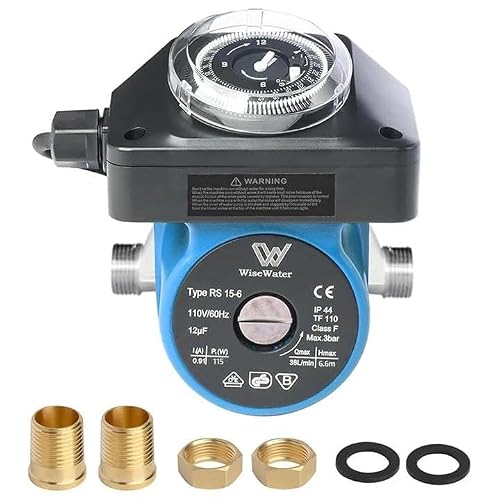
- Solar pump controller with differential sensors: Confirms the active control logic you are budgeting for. View on Amazon
FAQ
What is the typical solar hot water heating system cost for a home?
The total varies widely with system size, collector type, climate, labor rates and permitting requirements. The most reliable approach is to build your own line-item estimate using the checklist above and then compare written quotes against it.
Is a DIY system always cheaper than a professional installation?
Hardware costs are often lower for DIY work, but you still need suitable tools, permits and, in many places, a licensed professional for plumbing or electrical connections. Factor in your time and the risk of rework.
Which part of the system costs the most?
For many homeowners, the collectors and labor make up the largest share. Storage tanks and controls are significant but usually smaller line items.
Do batch systems cost less than flat plate or evacuated tube systems?
Batch systems often have fewer components, which can lower hardware cost. However, they may need more roof load capacity and freeze protection in colder climates, which can offset those savings.
Does a solar hot water system need electricity to run?
Passive systems do not. Active systems use a small pump and controller, and their electricity use is generally modest. Confirm the specifics for your chosen design.
Are there incentives that reduce the net cost?
Some federal, state, utility and local programs have offered incentives for solar thermal systems, but availability changes often. Check current programs with your utility and state energy office before you buy.
How do I know if my roof can support the system?
Roof capacity depends on structure, age, materials and snow or wind loads. A structural engineer or qualified roofing professional should confirm this before you install heavy collectors or storage.
Should I consult a professional before starting?
Yes. Because solar water heaters involve roofing, plumbing, pressure, temperature and sometimes electrical work, consulting a licensed contractor, plumber or engineer for site-specific advice is a sound step.
Conclusion
A solar hot water heating system cost is best understood as a set of connected decisions: how much hot water you need, which collector and storage types fit your climate, and what safety, freeze protection and permitting requirements apply. Build your budget line by line, compare written quotes against the same specification, and keep a contingency for site surprises. With that approach, you will be able to judge any proposal or DIY plan on its merits.
Ready to choose one?

About Emmett Caldwell
Emmett covers solar water heaters, comparing specs, features and long-term owner feedback to help readers choose with confidence.