By Emmett Caldwell
A split solar hot water system price is driven less by the headline unit and more by the parts you need to make it work: collectors, a separate storage tank, circulation pump, controller, heat exchanger, piping and labor. By the end of this guide, you will know how to break a split system into its components, estimate what each one adds to the total, and compare quotes or DIY material lists on equal terms. This is a planning guide, so you will see the factors and the questions to ask rather than a fixed figure, since regional supply, roof layout and code requirements change the numbers a lot.
What Makes a Split System Different
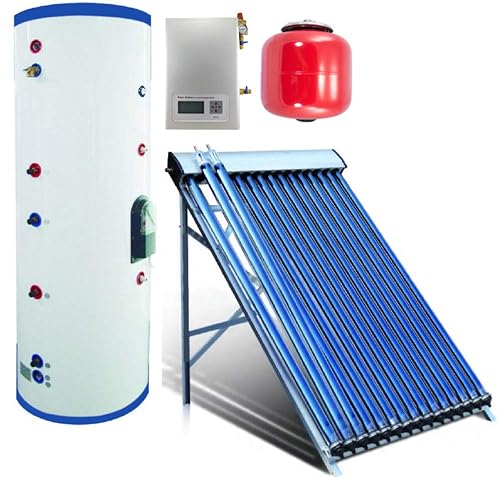
A split solar hot water system separates the collector array, which sits on the roof or ground, from the storage tank, which usually sits indoors or in a utility space. The collector loop carries a heat-transfer fluid (often a propylene glycol mix in freeze-prone areas) through a heat exchanger in the tank. Because the tank is not on the roof, the roof only has to carry the collectors, and the tank can be sized and placed for convenience and capacity.
Shopping for one? See our guide: 8 Best Solar Hot Water System Off Grid Picks for Homes (2026).
That separation is the reason split systems tend to cost more than integrated (also called batch or thermosiphon-style) units. You are buying more components, more plumbing and more controls. You are also buying flexibility: a split system can work in colder climates, support larger households and integrate with an existing tank. For background on the collector types you will be choosing between, see Solar Water Heater Collectors: Batch, Flat Plate and Evacuated Tube and compare it with the simpler layout described in Thermosiphon Solar Water Heaters: Natural Circulation Explained.
Cost Factors That Move the Total
Most of the variance in a split system quote comes from a handful of line items. Work through these one at a time and you will know where a quote is high or low.
- Collector type and area. Flat-plate and evacuated-tube collectors differ in efficiency and in cost per square foot. Area is set by your hot water demand, so start there.
- Storage tank size and construction. Tank volume, insulation thickness, internal coating and whether it has a built-in heat exchanger all affect the price. Check Solar Hot Water Storage Tanks: Sizing, Types and Safety Parts before comparing tanks, because a tank that is undersized or missing safety parts is not a real saving.
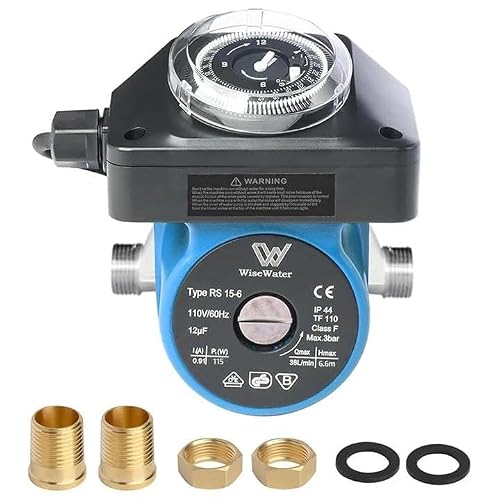
- Circulation pump and controller. A differential controller with temperature sensors and a pump station is a core safety and performance part, not an accessory. Quotes that leave these out or list them vaguely deserve a follow-up question.
- Heat-transfer fluid and expansion tank. Closed-loop systems need glycol, an expansion vessel and pressure relief. These are small line items individually but they add up.
- Piping and insulation. Run length, pipe diameter and insulation quality on both the collector loop and the hot-water distribution lines affect both cost and efficiency. See Piping for Solar Water Heaters: Materials, Insulation and Layout for specifics.
- Mounting and roof work. Racking, flashing and any structural reinforcement can be a significant share of the total. Read Roof and Structural Safety for Solar Water Heaters before accepting a roof-mount figure.
- Permits and inspection. Many jurisdictions require permits and professional review. These are real costs, and skipping them creates problems later. See Solar Water Heater Codes, Permits and Professional Review.
- Labor. Installation time depends heavily on roof access, distance between collectors and tank, and whether existing plumbing must be modified.
How to Build a Comparable Estimate
Quotes from different suppliers often list different equipment, which makes side-by-side comparison hard. Use a fixed checklist so every quote covers the same scope. The steps below work whether you are reviewing contractor bids or building your own materials list.
Step 1: Size the System First
Before you can compare any price, you need a target. Estimate daily hot water use in gallons, then determine collector area and tank volume from that figure and your climate’s solar resource. The method is covered in How to Estimate Your Household Hot Water Needs Before Going Solar. A quote for a system that does not match your demand is not a bargain.
Step 2: Write Down Every Component
Use this list so nothing is left out of a bid or your own budget spreadsheet:
- Collector array with mounting hardware and roof flashing
- Storage tank with insulation, heat exchanger and relief valve
- Circulation pump, pump station or flow control valves
- Differential controller and temperature sensors
- Heat-transfer fluid, expansion vessel and fill/drain valves
- Copper or approved pipe, fittings and insulation for the collector loop
- Hot-water distribution piping and any tempering or mixing valve
- Permit fees and inspection
- Installation labor and any electrical work for the pump
Step 3: Compare Like With Like
Use a table like the one below to line up quotes. Leave the cost columns for your own figures, since this guide does not list dollar amounts.
| Component | Spec to Confirm | Quote A | Quote B |
|---|---|---|---|
| Collectors | Type, total area, warranty | ||
| Storage tank | Volume, insulation R-value, heat exchanger | ||
| Controller and sensors | Differential control, sensor count | ||
| Pump and fluid | Pump rating, glycol type and concentration | ||
| Piping and insulation | Material, diameter, run length | ||
| Safety parts | Pressure relief, expansion tank, tempering valve | ||
| Permit and labor | Inspection included, labor hours |
Step 4: Check the Warranty and Support Terms
Collectors and tanks are often warrantied for a long period, but pumps and controllers usually carry shorter terms. Ask what is covered, whether the warranty depends on professional installation, and who handles claims. A lower upfront figure can be offset by parts that fail early.
Common Mistakes
- Comparing only the collector price. The collector is one component. Controls, fluid, piping and permits often make up a large share of the total.
- Ignoring freeze protection. A split system in a cold climate needs glycol and proper fluid management. Skipping this to save money creates much larger repair bills. See Winterizing a DIY Solar Water Heater: Freeze Protection Options.
- Undersizing the tank. A small tank heats quickly but cannot hold enough warm water for a full day of use.
- Skipping scald protection. Stored solar water can get hot enough to scald. A tempering valve is a basic safety part, not an upgrade. Read Preventing Scalding From Solar Hot Water: Tempering Valves and Settings.
- Accepting vague quotes. “Standard pump” or “basic controller” tells you nothing. Ask for model numbers and specifications.
- Forgetting water quality. Hard water can scale the heat exchanger over time. Check Water Quality and Scaling in Solar Water Heaters before finalizing the design.
Tips for Getting a Fair Comparison
- Ask every bidder to use the same component list and state the collector area and tank volume.
- Request a written breakdown showing equipment, labor and permits as separate lines.
- Confirm whether pipe insulation, tempering valves and glycol are included.
- Check local rules early, since permit requirements can change the scope.
- If you are building parts yourself, price the controller and safety components first. They are the items most often underspecified.
Recommended gear
These items are commonly specified on split systems. Confirm compatibility with your collector and tank before ordering.
- Differential temperature controller: Controls the pump based on collector and tank temperatures, which is the core of efficient split-system operation. View on Amazon
- Propylene glycol heat-transfer fluid: Provides freeze protection for closed-loop collector circuits in cold climates. View on Amazon
- Thermostatic mixing valve: Limits delivered water temperature to reduce scald risk from stored solar heat. View on Amazon
- Pressure relief valve for solar tanks: A required safety component for closed solar circuits and storage tanks. View on Amazon
FAQ
Why is a split system more expensive than a batch heater?
A split system includes a separate collector array, storage tank, pump, controller, heat-transfer fluid and more piping. Each of these adds equipment and labor. A batch heater combines collector and storage in one unit, so it has fewer parts.
Is the collector the biggest part of the total?
Not always. Collectors are significant, but tank, controls, piping, permits and labor can together make up as much or more of the total, depending on the installation.
Can I reduce cost by using an existing water tank?
Often yes, if the tank is suitable and has or can accept a proper heat exchanger. Check that it is rated for the temperatures and pressures involved and that safety parts are in place.
Do I need a permit for a split solar hot water system?
Many areas require permits and inspection for solar thermal systems, especially where roof work and plumbing changes are involved. Check with your local building department before starting.
Does climate change the design and the total?
Yes. Cold, freeze-prone climates need glycol and additional protection, while mild climates may use simpler designs. Local solar resource also affects how much collector area you need.
How do I compare quotes that use different equipment brands?
Compare specifications rather than brand names. Check collector area, tank volume and insulation, controller type, pump rating, fluid type and warranty terms, then line up the totals.
Should I hire a professional for installation?
For roof work, pressure systems and electrical connections, consulting a licensed professional is strongly recommended. Confirm local licensing requirements and whether your warranty depends on professional installation.
Conclusion
A split solar hot water system price reflects a set of separate components rather than a single product, so the most useful comparison is line by line. Size the system from your hot water demand, list every component, and require each quote to cover the same scope. Pay particular attention to controls, freeze protection, scald safety and permits, since those are the items most often left out. A careful comparison now will prevent surprises later, and where any part of the installation touches your roof, plumbing or electrical system, consult a licensed professional.
Ready to choose one?

About Emmett Caldwell
Emmett covers solar water heaters, comparing specs, features and long-term owner feedback to help readers choose with confidence.