By Emmett Caldwell
An apricus solar hot water system price depends on more than the sticker on a collector panel. In this guide you will learn which components drive the total, how to compare quotes on an apples-to-apples basis, and how to decide whether a packaged system or a DIY build makes more sense for your home. Pricing is not something this article will quote, because retailers and distributors change their figures often, but the cost structure is stable enough to plan around.
Understanding What an Apricus System Includes
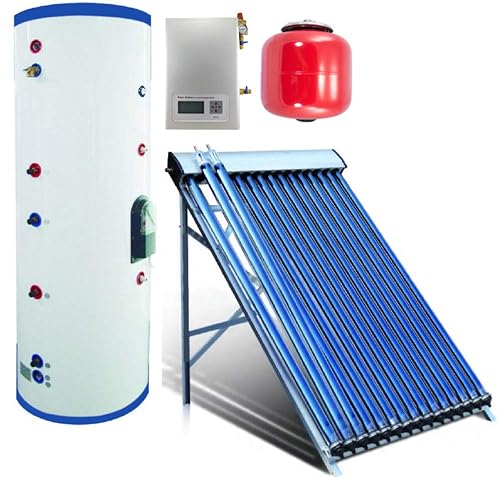
Apricus is a brand known for evacuated tube and flat plate solar thermal collectors, and its residential systems are typically sold as packages rather than as loose parts. Before comparing an apricus solar hot water system price against another quote, confirm exactly what is in the box. Packages vary in tube count, storage tank size, pump configuration, controller type, and whether mounting hardware is included.
A complete active system generally contains:
- One or more solar collectors (evacuated tube or flat plate)
- A storage tank, sometimes with an integrated backup heating element
- A circulation pump and differential temperature controller
- Heat transfer fluid, expansion tank, and pressure relief valve
- Mounting racks, roof penetration flashing, and piping
- Sensors and wiring
If a quote lists only “collector” or “tank,” you are looking at a partial system. Ask the seller for a written component list before comparing totals.
Factors That Drive the Total Cost
Several variables move the final number more than the brand name does. Understanding them lets you judge whether a quote is reasonable.
Collector Type and Count
Evacuated tube collectors usually cost more per square foot than flat plate collectors, but they perform better in cold weather and under diffuse light. A household of four in a cold climate may need more collector area than the same household in a warm, sunny region. Collector count is the single largest line item in most packages.
Tank Volume and Material
Storage tanks are sized in gallons. Larger tanks hold more hot water but add weight, footprint, and cost. Check whether the tank is enameled steel, stainless steel, or copper, and whether it has a heat exchanger coil. Those details affect both the sticker price and long-term durability.
Controls and Safety Components
A differential controller, temperature sensors, a tempering valve, and an expansion tank are not optional extras. Packages that skimp on these parts may look cheaper but will need upgrades. For guidance on protecting users from hot water, see Preventing Scalding From Solar Hot Water: Tempering Valves and Settings.
Installation Labor and Permits
Roof work, plumbing connections, electrical hookup for the pump, and local permitting can add substantially to the total. Labor rates differ widely by region. Permit requirements are set by local jurisdictions, so confirm them before you sign a contract. See Solar Water Heater Codes, Permits and Professional Review for background on what inspectors typically look for.
Roof and Structural Requirements
A heavy tank in an attic or a large collector array may require structural assessment or reinforcement. Ask whether the quote includes any structural work. More detail is available in Roof and Structural Safety for Solar Water Heaters.
Step-by-Step: Comparing Quotes Fairly
- Request a written component list from each seller, including model numbers, collector area, and tank volume.
- Confirm whether the quote covers the pump, controller, sensors, heat transfer fluid, and expansion tank.
- Ask whether installation, permits, inspection, and warranty service are included.
- Verify the warranty length and what it covers, particularly for collectors, tank, and controller separately.
- Confirm shipping terms and whether freight to your address is included.
- Ask who handles sizing. A seller should base the system on your actual hot water demand rather than a generic recommendation.
- Compare the total cost of ownership, including estimated pump electricity and any backup heating fuel, not just the upfront figure.
Estimating Your Sizing Needs
Getting the size right matters more than chasing the lowest number. An undersized system leaves you relying on backup heat; an oversized one wastes money. Start by estimating daily hot water use. A common planning figure is around 15 to 25 gallons per person per day at typical household temperatures, though actual use varies. Use How to Estimate Your Household Hot Water Needs Before Going Solar to work through the numbers, then match the result to the package sizes offered.
| Household Size | Typical Daily Use (approx.) | Common Tank Range to Consider | Key Cost Driver |
|---|---|---|---|
| 1–2 people | 30–50 gallons | Smaller storage tank | Collector count |
| 3–4 people | 60–100 gallons | Mid-size storage tank | Collector count and tank |
| 5+ people | 100+ gallons | Large or multiple tanks | Structural and installation labor |
These ranges are planning estimates only. Consult a qualified installer or solar thermal designer for a sizing calculation specific to your site.
Packaged Systems Versus a DIY Build
A packaged system like an apricus kit offers engineered components, a warranty, and a known parts list. A DIY build can reduce cost by sourcing tanks, piping, and collectors separately, but it requires careful attention to pressure, temperature, freeze protection, and code compliance. If you are weighing that choice, read Is a DIY Solar Water Heater Right for You? A Decision Guide before committing. You can also compare packaged options in 8 Best Solar Hot Water System Off Grid Picks for Homes (2026).
Common Mistakes When Budgeting
- Comparing collector counts only. Two quotes with the same number of panels can differ in tank size, controls, and mounting.
- Ignoring freeze protection. In cold climates, the cost of a suitable fluid system or drainback design should be in your comparison. See Winterizing a DIY Solar Water Heater: Freeze Protection Options.
- Skipping water quality checks. Hard water causes scaling that reduces performance. Review Water Quality and Scaling in Solar Water Heaters before finalizing your plan.
- Forgetting temperature control. A system that runs too hot needs a proper tempering setup. Check Solar Water Heater Temperature Problems: Too Cold or Too Hot for common symptoms.
- Overlooking piping and insulation. Undersized or uninsulated lines waste heat. See Piping for Solar Water Heaters: Materials, Insulation and Layout.
Tips for Getting the Best Value
- Ask for quotes that break out equipment and labor separately so you can see where the money goes.
- Schedule installation outside peak season, when installers may have more availability.
- Confirm that the warranty is backed by the manufacturer or a distributor you can reach.
- Request a site assessment before purchase. Shade, roof orientation, and available space change the required system.
- Check whether a local or utility incentive program applies, and confirm eligibility with the program administrator.
Recommended gear
If you are planning a system or a DIY storage setup, these items help with the parts that most often inflate budgets when they are overlooked.
- Thermostatic mixing valve. A tempering valve controls delivery temperature at the tap and protects against scalding. Compare models in Best Thermostatic Mixing Valves for Solar Hot Water: 5 Compared. View on Amazon
- Pipe insulation. Closed-cell foam insulation reduces heat loss on hot lines and keeps piping costs from eating into your savings. View on Amazon
- Digital temperature gauge. A clamp-on or inline thermometer lets you check tank and line temperatures during commissioning. View on Amazon
FAQ
Does the apricus solar hot water system price include installation?
It depends on the seller. Some quotes cover equipment only, while others include labor, permits, and inspection. Always confirm the scope in writing.
Why do quotes for similar-sized systems differ so much?
Differences usually come from collector type, tank material, controller quality, mounting hardware, and installation complexity. Compare component lists rather than totals.
Is a packaged system always more expensive than a DIY build?
Not always, but packaged systems often cost more upfront. A DIY build carries risk in safety, code compliance, and performance, so the savings should be weighed against those responsibilities.
Do I need a permit for a solar hot water system?
Many jurisdictions require permits for roof work and plumbing or electrical connections. Check with your local building department before installation.
How long does a solar hot water system last?
Manufacturers often specify warranty periods for individual components, and actual service life depends on water quality, maintenance, and climate. Review the warranty terms closely.
Can I add a backup heater to an existing system?
Yes, many systems use a backup element or gas or electric heater for cloudy periods. Confirm compatibility with your storage tank and controller.
Are there incentives that lower the net cost?
Some federal, state, or utility programs may offer incentives for solar thermal equipment. Eligibility and availability change, so verify current programs with the administering agency or a qualified installer.
Conclusion
The apricus solar hot water system price you pay is shaped by collector type, tank size, controls, and installation scope, so compare component lists before comparing totals. Size the system to your actual household demand, and factor in freeze protection, water quality, and permits. For roof, electrical, or plumbing work, consult a licensed professional.
Ready to choose one?

About Emmett Caldwell
Emmett covers solar water heaters, comparing specs, features and long-term owner feedback to help readers choose with confidence.