By Audrey Hayes
Updated November 2026
A solar domestic hot water system cost depends on four things: the collector type, the storage tank, the pump and controls, and how much of the installation you do yourself. By the end of this guide you will be able to size a system for your household, list every component you need, and build a realistic budget that accounts for the parts most people forget. The figures here are structural rather than dollar-based, because local labor rates, permit fees and material markups vary too much to quote reliably.
Understand What You Are Actually Paying For
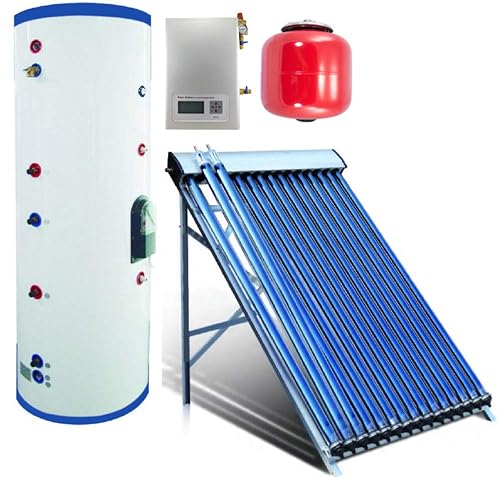
Most solar domestic hot water (SDHW) systems share the same basic architecture: one or more solar collectors on the roof, a heat-transfer fluid loop, a pump or thermosiphon arrangement, a storage tank, and a backup heating element or gas booster. Every one of these parts contributes to the solar domestic hot water system cost, and the balance between them shapes both the upfront spend and the long-term savings.
Shopping for one? See our guide: Cost Solar Hot Water System: 3 Best Options Compared (2026).
Two broad configurations exist. A direct (open-loop) system circulates potable water through the collectors. It is simpler and cheaper but only suitable where freezing is rare and water quality is good. An indirect (closed-loop) system uses antifreeze and a heat exchanger, which adds components but protects the collectors in cold climates. Most cost comparisons you will see are really comparisons between these two designs.
Step 1: Size the System for Your Household
Sizing drives everything downstream, so start here. Manufacturers and most installers base sizing on daily hot water demand measured in gallons per person. Typical household usage often falls in the range of 15 to 25 gallons per person per day for showers, dishwashing and laundry, though your own habits will vary.
- List every hot water fixture and estimate daily use: showers (count minutes times flow rate), dishwasher loads, clothes washer loads, and sink use.
- Add up the daily total in gallons.
- Determine your climate’s solar fraction. Sunnier regions can cover a larger share of demand with fewer collectors.
- Choose a collector area and tank volume that roughly matches the demand. Undersizing saves money at first but leaves you dependent on backup heat. Oversizing wastes money and can cause overheating in summer.
A common rule of thumb is to size the storage tank at about 1 to 1.5 times daily demand, and collector area to cover most of that heat in an average month. Treat these as starting points and confirm with your installer or the manufacturer’s sizing tables.
Step 2: Break Down the Major Cost Components
When you request quotes or price parts, organize the numbers into these categories so you can compare like with like.
| Component | What it does | Cost driver |
|---|---|---|
| Solar collectors (flat plate or evacuated tube) | Capture solar heat | Total collector area; tube count for evacuated designs |
| Storage tank | Hold heated water | Volume, insulation quality, material (steel with glass lining, stainless) |
| Pump, controller and sensors | Move fluid and regulate temperature | Closed-loop systems need more controls than direct systems |
| Heat exchanger | Transfers heat without mixing fluids | Required for indirect systems |
| Mounting hardware and roof work | Secures collectors to the roof | Roof type, pitch, wind load requirements |
| Piping, valves and insulation | Connects everything | Run length and pipe diameter |
| Backup heater | Covers cloudy days | Electric element or gas booster |
| Permits and inspection | Legal compliance | Local jurisdiction |
Collectors and tanks usually account for the largest share of the solar domestic hot water system cost, so compare these first when shopping.
Step 3: Decide Between Ready-Made and DIY Builds
Packaged systems from established manufacturers bundle the collectors, tank, controls and warranty into one purchase. Installation is then a matter of mounting and plumbing. This path costs more in materials but reduces design risk and often keeps the warranty intact.
A DIY build sources components separately: collectors, a storage tank, a pump, controls and fittings. It can lower the parts cost considerably, but you take on the sizing calculations, the piping layout, and the responsibility for meeting plumbing and electrical codes. Batch-built or homemade collectors reduce costs further but carry real risks around efficiency, leaks and freeze protection. For anything touching potable water, pressure ratings and backflow prevention are not optional.
Step 4: Account for the Costs Most Budgets Miss
- Roof preparation. Aging shingles, weak rafters or an awkward orientation may require re-roofing before mounting.
- Structural reinforcement. Heavy tanks in attics may need added joists.
- Permits and inspections. Many jurisdictions require them for any system touching plumbing or roofing.
- Freeze protection. Drain-back or glycol systems add components in cold regions.
- Tank relocation or upgrades. Moving a tank closer to fixtures reduces heat loss but costs labor.
- Maintenance. Glycol replacement, pump service and sensor checks recur over the system’s life.
Step 5: Build Your Own Cost Estimate
- Write down your sized collector area and tank volume from Step 1.
- Price each component from at least two sources, using the categories in the table above.
- Add a line for installation labor if you are hiring any part of the job, and a separate line for permits.
- Add a contingency of roughly 10 to 15 percent for surprises such as fittings you forgot or roof repairs.
- Compare the total against projected savings on your existing water heating fuel, using your actual utility rates and the solar fraction for your location.
This estimate is what lets you decide whether a larger, more expensive system pays back better than a smaller one. Payback depends heavily on local energy prices and incentives, which change, so verify current figures before committing.
Common Mistakes
- Choosing collector area by roof space alone rather than by daily demand.
- Ignoring freeze protection in climates with hard winters.
- Forgetting the backup heater in the budget, then discovering it is needed for most of the year in cloudy regions.
- Underestimating piping losses on long runs between roof and tank.
- Skipping permits to save money, which can complicate insurance claims and resale.
- Comparing quotes that cover different scopes, such as one with controls and one without.
Tips for Keeping the Total Down
- Insulate all hot water piping, especially in unconditioned spaces.
- Locate the tank as close as practical to the main fixtures.
- Install a timer or low-flow fixtures to reduce daily demand before you size the system.
- Check whether your utility or local government offers rebates or net metering for solar installations, and confirm eligibility before purchase.
Recommended gear
Good measurement and insulation tools pay for themselves during planning and installation.
- Digital flow meter for sizing. A simple inline flow meter helps you measure real fixture flow rates, which gives you more accurate gallons-per-day numbers than guessing. View on Amazon
- Pipe insulation sleeves. Foam pipe insulation cuts standby losses on exposed runs and is one of the cheapest efficiency upgrades available. View on Amazon
- Infrared thermometer. Useful for checking tank and pipe temperatures during commissioning and troubleshooting. View on Amazon
FAQ
Is a solar domestic hot water system cheaper than a gas water heater over time?
It can be, particularly where sunshine is abundant and fuel prices are high. Payback depends on your fuel costs, system size, climate and incentives. Run the numbers with your own utility rates before deciding.
Do I need a backup heater?
Almost always, yes. Cloudy days, winter months and periods of high demand require backup heat. The backup can be an electric element in the tank or a gas booster.
What is the difference between direct and indirect systems for cost?
Indirect systems cost more because they need a heat exchanger, glycol and extra controls. They are necessary in freezing climates, while direct systems are cheaper where freezing is rare.
How long do solar hot water systems last?
Well-maintained systems commonly run for many years, with pumps, controllers and glycol needing periodic service. Check manufacturer specifications for expected lifespans of specific components.
Can I install a solar hot water system myself?
Some homeowners do, especially with simpler designs. Roof work, electrical connections and plumbing tie-ins carry safety and code requirements, so consult a licensed professional for those steps or where permits require one.
Does a bigger system always cost more per year of savings?
Not necessarily. Oversizing adds cost without proportional savings and can cause overheating. The best value usually comes from matching the collector area and tank to your actual demand.
Are there incentives that lower the net cost?
Some regions offer rebates, tax credits or utility programs for solar thermal installations. Availability changes, so check current programs with your state, utility or local energy office.
Should I get multiple quotes?
Yes. Ask each provider to itemize collectors, tank, controls, labor, permits and warranty so you can compare the solar domestic hot water system cost accurately across offers.
Conclusion
The solar domestic hot water system cost comes down to sizing, component choice and how much of the work you handle yourself. Build your estimate by category, include the hidden costs like roof work, permits and freeze protection, and keep a contingency. Verify current incentives and local rates before you commit, and bring in a licensed professional for roof, electrical and plumbing tie-ins.
Related reading
- Solar Hot Water System Installation Cost: A Step-by-Step Guide (2026)
- Solar Hot Water Heating System Cost: A Step-by-Step Guide to Budgeting (2026)
- Solar Hot Water Heater System Cost: A Practical Guide (2026)
- 3 Best Solar Domestic Hot Water System Options for Homeowners (2026)
- What Is the Cheapest Solar Hot Water System? Options and Trade-Offs
- Top 5 Solar Thermal Storage Tanks for Home Hot Water Systems
Ready to choose one?
About Audrey Hayes
Audrey Hayes is part of our editorial team and reviews and edits our solar water heaters guides, checking product details against manufacturer specifications and owner feedback.