By Audrey Hayes
Updated November 2026
A solar hot water system installation cost is the total you pay to get a working system on your roof or property, including the collectors, storage tank, pumps, controls, plumbing, permits and labor. This guide walks you through each cost category, shows you where the money actually goes, and gives you a checklist so you can compare quotes or estimate a DIY build with confidence. By the end, you should be able to build a line-item budget that matches your house, your climate and your installation approach.
Understand What Makes Up the Total
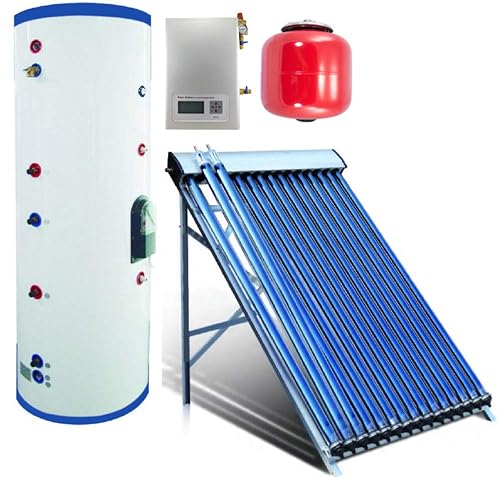
Most people picture the solar panels when they think about cost, but the collectors are only one slice of the job. A typical installation breaks into five groups: the heat collection hardware, the storage and heat exchange hardware, the circulation and control system, the plumbing and electrical work, and the labor and permits that tie everything together. Knowing these groups lets you see which quotes are comparing like with like and which ones quietly leave items out.
Shopping for one? See our guide: Cost Solar Hot Water System: 3 Best Options Compared (2026).
Heat collection hardware
This group covers flat-plate collectors or evacuated tube collectors, mounting racks, roof flashings and the piping that runs from the array to the storage tank. Flat-plate collectors tend to be the more common choice for residential roofs in mild to moderate climates. Evacuated tubes perform better in cold or cloudy conditions but usually add cost per square foot of collector area. Collector count is set by your daily hot water demand and your local solar resource, so this line item scales directly with household size.
Storage and heat exchange
The storage tank holds the heated water until you need it. Many residential systems use a dedicated solar storage tank with an internal or external heat exchanger, while some drainback and thermosiphon designs use simpler arrangements. Tank size is usually matched to collector area, commonly in the range of roughly 1.5 to 2 gallons of storage per square foot of collector, though manufacturers publish their own sizing rules and you should follow those. Some installs also add a backup water heater, either electric or gas, which is a separate cost but a common one.
Circulation and controls
Pumps, a differential temperature controller, sensors, check valves, expansion tanks and pressure relief valves make the system safe and automatic. Closed-loop glycol systems need a heat exchanger and a glycol-rated fluid, which adds materials and some labor. Drainback systems avoid glycol but need careful slope and reservoir design. Controller quality matters because it decides when the pump runs, so budget for a reliable unit rather than the cheapest one on the shelf.
Plumbing, electrical and structural work
Expect copper or PEX piping, insulation for all hot lines, fittings, valves and sometimes a new penetration through the roof. Electrical work covers the pump circuit, the controller and any sensors. If your roof needs reinforcement to carry the array, or if the existing tank location needs modification, that work belongs in this bucket as well. Roof type matters: asphalt shingle, metal, tile and flat roofs each call for different mounting methods and flashing details.
Labor, permits and inspection
Labor is often the largest single category for a professional install, especially on steep or multi-story roofs. Permits and inspections are required in many jurisdictions for roof penetrations, electrical work and plumbing changes. Some utilities or local programs also require documentation before they will recognize a system. Ask any installer to show you which permits they include in their quote and who pulls them.
Step-by-Step: Build Your Own Cost Estimate
Use the steps below to put numbers to each category before you request quotes. Working this way makes it easier to spot gaps in a contractor’s proposal and to decide where a DIY approach saves money without creating safety or code problems.
- Calculate daily hot water demand. Estimate gallons per person per day, multiplied by household size. A common planning figure for households is around 20 to 25 gallons per person per day at 120°F, but your actual use may be higher or lower.
- Check your solar resource. Use a local solar insolation figure or the solar data from your utility or a national solar database. Sunny, low-latitude sites need less collector area than cloudy or far northern ones.
- Size the collector array. Divide your daily energy need by the solar yield per square foot your collector type produces in your location. Manufacturers publish performance data you can use for this step.
- Select a storage tank. Match tank volume to collector area using the manufacturer’s sizing rule. Add a backup heater plan if you need hot water on cloudy days.
- Choose the loop type. Decide between closed-loop glycol, drainback or thermosiphon based on climate, freeze risk and roof layout.
- Price each category. Build a spreadsheet with rows for collectors, mounting, tank, pump and controller, piping and insulation, electrical, roof work, permits and labor.
- Add a contingency. Hidden issues like rotted roof decking, undersized electrical service or hard-to-route piping can add cost. Many planners keep a buffer for these surprises.
- Get itemized quotes. Ask every bidder to list hardware, labor and permits separately so you can compare them against your own spreadsheet.
Installation Cost by Approach
How much you spend depends heavily on who does the work and how much of the system you source yourself. The table below describes the main approaches and what each one typically includes, without attaching specific dollar figures, since costs vary widely by region, roof and equipment choice.
| Approach | What you handle | Main cost driver | Best fit |
|---|---|---|---|
| Full professional install | Nothing beyond approving the design | Labor and permitting | Owners who want warranty coverage and minimal hassle |
| Packaged kit with pro install | Selecting the kit, hiring an installer | Labor and roof work | Owners who want a specific equipment brand |
| Hybrid install | Sourcing parts, pro handles roof and plumbing tie-ins | Roof work and inspection fees | Experienced DIYers with a local installer partner |
| Full DIY build | Design, sourcing, installation and inspection prep | Materials and your time | Skilled builders comfortable with plumbing, roofing and code |
For a broader view of how these options compare, see Solar Hot Water Heating System Cost: A Step-by-Step Guide to Budgeting (2026) and Solar Hot Water System Price: What You'll Pay and What Drives It. If you are weighing whether a solar system fits your home at all, Solar Hot Water System vs Heat Pump (2026): Which Is Better for Your Home? offers a useful comparison.
Factors That Push Cost Up or Down
Several site and design choices move the final number more than the brand you pick. Understanding them helps you decide where to spend and where to save.
Roof orientation and pitch
South-facing roofs in the Northern Hemisphere, or north-facing ones in the Southern Hemisphere, generally collect the most sun. A poorly oriented roof may need more collector area, which raises hardware cost. Steep pitches can increase labor because of safety requirements and mounting complexity.
Distance between collectors and tank
Long piping runs add material, insulation and heat loss. Locating the storage tank close to the collectors and to the main hot water use points reduces both materials and the energy lost in transit. Before you buy pipe, sketch the route and count the actual feet.
Existing plumbing and water heater
If you already have a tank water heater, you may be able to tie a solar preheat tank into the existing system, which can lower the cost of the new hardware. A complete replacement of the water heater and plumbing layout will cost more. Check whether your current heater or plumbing needs upgrades to meet code for the new configuration.
Climate and freeze protection
Cold regions usually require glycol closed-loop systems or drainback designs, both of which cost more than basic thermosiphon setups. In mild climates, simpler and lower-cost designs may be adequate. Choosing the right loop type for your climate matters more than any single component.
Local incentives and rules
Some states, utilities and municipalities offer rebates, tax credits or financing for solar thermal systems, and some have permit or interconnection rules that affect labor time. These programs change, so verify current details with your local utility, state energy office or a qualified installer rather than relying on older information.
Common Mistakes When Budgeting
- Comparing quotes that include different scopes. One bid may include permits, roof flashing and a backup heater while another leaves them out. Always line up the bids by category.
- Ignoring roof condition. Installing a costly array on a roof that needs replacement within a few years creates double expense. Inspect the roof first.
- Undersizing or oversizing the tank. Too small and you run out of hot water; too large and you pay for storage you rarely use and lose more heat to standby loss.
- Skipping the contingency. Unexpected structural or electrical issues are common enough that a planning buffer is worth keeping.
- Choosing a loop type without considering freeze risk. A low-cost design in a freezing climate can lead to expensive damage.
- Forgetting maintenance costs. Glycol needs testing and replacement, pumps and controllers need periodic checks, and collectors need occasional cleaning. Budget for these over the system’s life.
Tips for Getting an Accurate Number
- Get at least three itemized quotes and ask each installer to explain the design choices behind their numbers.
- Ask for the manufacturer’s sizing and warranty documents, not just a sales summary.
- Confirm who pulls permits and who schedules the inspection.
- Check whether a backup heater is included, and if so, what type.
- Ask about the roof attachment method and the flashing warranty, since leaks are a common long-term problem.
- Walk the site yourself with a tape measure and sketch the piping route before you talk to installers.
Recommended gear
If you plan to handle part of the work yourself or verify an installer’s numbers, a few tools make the job more precise.
- Digital infrared thermometer. Useful for checking pipe and tank temperatures during commissioning and troubleshooting. View on Amazon
- Pipe cutter for copper tubing. A clean, square cut helps joints seal properly on the hot and solar loop lines. View on Amazon
- Pipe insulation kit. Closed-cell foam insulation reduces heat loss on exposed hot lines and is one of the cheapest efficiency upgrades. View on Amazon
- Multimeter. Helpful for checking pump and controller voltage before final wiring. View on Amazon
FAQ
What is the biggest part of a solar hot water system installation cost?
For most residential installs, labor and roof work together make up one of the largest shares, followed by the collectors and storage tank. The exact split depends on roof complexity, system design and local labor rates.
Does a closed-loop system cost more than a drainback system?
Often yes, because closed-loop systems add a heat exchanger and glycol fluid, though drainback systems have their own requirements for tank and piping layout. The better choice depends on your climate and roof configuration.
Can I reduce installation cost by doing part of the work myself?
Some owners handle site prep, piping insulation or equipment sourcing and hire a professional for roof penetrations, electrical connections and inspection. Check local code requirements first, since some jurisdictions require licensed trades for certain tasks.
Are permits always required?
Requirements vary by location. Roof penetrations, electrical work and plumbing modifications often trigger permits, so confirm with your local building department before you start.
How long does a typical installation take?
A straightforward residential install can often be completed in a few days of on-site work, but permitting and inspection scheduling may extend the overall timeline considerably.
Do incentives affect the final installation cost?
They can. Rebates, tax credits and utility programs change over time and differ by region, so check current programs with your state energy office, utility or a qualified installer.
Should I budget for maintenance on top of installation?
Yes. Glycol replacement, pump and controller service, and periodic collector cleaning all add to the lifetime cost of the system. Ask installers for a maintenance schedule and plan for it in your budget.
Is it safe to install a solar hot water system without a professional?
Solar thermal systems involve roofing, pressurized plumbing, electrical controls and sometimes high temperatures. If you are not experienced in these trades, consult a licensed professional before committing to a DIY approach.
Conclusion
A solar hot water system installation cost is the sum of collectors, storage, controls, plumbing, electrical work, permits and labor, and each category depends on your home, roof and climate. Build your own line-item estimate before you request quotes, compare bids on an equal scope, and keep a contingency for surprises. Verify current incentives and code requirements locally, and consult a licensed professional for any work you are not qualified to perform.
Ready to choose one?
About Audrey Hayes
Audrey Hayes is part of our editorial team and reviews and edits our solar water heaters guides, checking product details against manufacturer specifications and owner feedback.