By Audrey Hayes
Updated November 2026
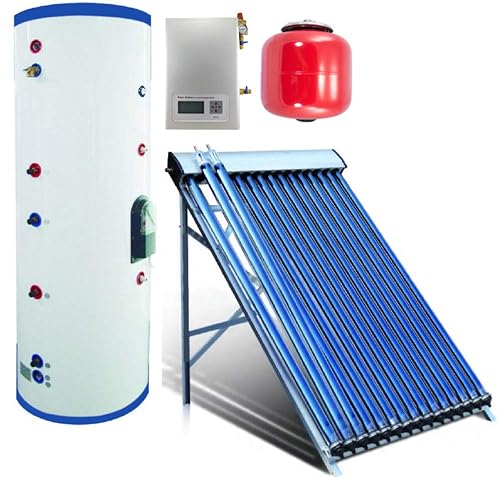
Choosing a solar domestic hot water system starts with knowing which parts do the heavy lifting. A solar collector can gather plenty of heat, but the water still has to move from the roof to the storage tank and back, and the controls have to decide when that happens. This list focuses on three of the components that most DIY and retrofit builders end up buying: a circulation pump, a solar controller and a second, compact circulator for smaller loops. Our selection criteria were specifications stated in the listings, brand reputation in the solar and hydronic trade, and recurring patterns in owner feedback, such as installation fit, noise and reliability. We have not tested these products ourselves; the notes below are based on published specifications and what owners commonly report.
Our top picks at a glance
- 1
 TOP CHOICEBest overallUP15-18B5, 59896114 Water Circulator Pump 1/25 HP 115V, 1/2" Sweat LinView on Amazon
- 2
 Best for separated pressurized loopsMISOL 110V Controller of Solar Water Heater, Used for Separated pressuView on Amazon
- 3
 Best budget pick1" Flange Connection 115V Hot Water 3-Speed Circulation Pump CirculatoView on Amazon
Our Top Picks
| Product | Best for | Key feature |
|---|---|---|
| Water Circulator Pump UP15-18B5 (59896114) | Hydronic and solar loops needing a 1/2″ sweat connection | 1/25 HP, 115V, sweat-line fittings |
| MISOL Solar Water Heater Controller | Separated pressurized solar hot water systems | Dedicated 110V controller for pump and sensor logic |
| 1″ Flange 115V 3-Speed Circulation Pump | Home water heater recirculation on a 1″ flange | Three selectable speeds, 1″ flange connection |
Water Circulator Pump UP15-18B5 (59896114) Water Circulator Pump 1/25 HP 115V, 1/2″ Sweat Line Cord Hot Water Circulation Pump
UP15-18B5, 59896114 Water Circulator Pump 1/25 HP 115V, 1/2" Sweat Line Cord Hot Water Circulation Pump for Hydronic Heating, Radiant Floor, Solar, and Domestic Hot Water Systems
Best for: Small to mid-size solar loops and hydronic circuits that use copper sweat fittings.
This pump suits builders who want a compact, low-horsepower circulator for moving heat-transfer fluid or domestic water through a solar collector loop, a radiant floor branch or a hot water recirculation line. Its listing describes use in hydronic heating, radiant floor, solar and domestic hot water systems, which makes it a practical choice for a DIY build that needs one pump to cover more than one job.
Key specs
- Motor: 1/25 HP
- Voltage: 115V
- Connection: 1/2″ sweat line
- Line cord included
Pros
- Low horsepower suits small loops without oversizing the pump
- Sweat connection fits standard copper plumbing runs
- Listed for solar and domestic hot water use, not only heating
Cons
- Sweat fittings require soldering skill and proper flux and heat technique
- Low flow capacity is not a fit for large collector arrays
Bottom line: Best for builders who want a small, well-specified circulator for a single solar or hydronic loop and are comfortable soldering copper.
MISOL 110V Controller of Solar Water Heater, Used for Separated pressurized Solar hot Water System
MISOL 110V Controller of Solar Water Heater, Used for Separated pressurized Solar hot Water System
Best for: Separated pressurized solar hot water systems where the controller must manage the pump and temperature sensors.
A solar controller is the part that decides when the collector pump runs, based on the temperature difference between the collector and the storage tank. This model is aimed at pressurized, separated-loop systems. Installers generally treat the controller as the brain of the system, so it is worth matching it carefully to your sensors, pump voltage and tank layout before you wire anything.
Key specs
- Voltage: 110V
- Designed for separated pressurized solar hot water systems
Pros
- Purpose-built for pressurized separated loops
- Controls pump operation based on temperature difference
- Dedicated controller keeps pump logic out of the main water heater
Cons
- Wiring and sensor placement require electrical knowledge; consult a licensed electrician or solar installer
- Only useful if your system design matches the separated pressurized layout
Bottom line: Best for builders with a pressurized, separated-loop design who need a dedicated controller rather than a basic timer.
1″ Flange Connection 115V Hot Water 3-Speed Circulation Pump Circulator Pump Recirculating Pump
1" Flange Connection 115V Hot Water 3-Speed Circulation Pump Circulator Pump Recirculating Pump for Home Water Heater System
Best for: Budget-conscious builds that need a multi-speed circulator on a 1″ flange for water heater recirculation or loop work.
This pump is the most general-purpose of the three. Its three selectable speeds let you tune flow to the loop, which helps when you are balancing a recirculation line or a solar side that needs less flow on cloudy days. The 1″ flange connection differs from the sweat fittings on the first pump, so check your existing pipe before buying.
Key specs
- Voltage: 115V
- Connection: 1″ flange
- Three-speed settings
Pros
- Three speeds allow flow adjustment to the loop
- 1″ flange suits larger-diameter lines
- Generally a budget pick in this category
Cons
- Flange fittings need gaskets and bolts, adding installation steps
- Speed and flow ratings should be confirmed against your loop before sizing
Bottom line: Best for builders who want an adjustable, mid-diameter circulator for a home water heater loop and do not need the sweat-fitting pump.
Buying Guide
Pump horsepower and flow
Match the pump to the loop. Small loops with short runs usually need far less flow than people expect. Oversized pumps can cause noise and waste electricity, while undersized pumps leave collectors starved for flow. Check the flow rate for your head height and pipe length rather than choosing by horsepower alone.
Good picks for this: Water Circulator Pump UP15-18B5 (59896114), 1″ Flange 115V 3-Speed Circulation Pump
Controller compatibility
A controller has to match your sensors, pump voltage and system layout. Pressurized separated loops, drainback designs and thermosiphon systems each use different control logic. Confirm the controller supports your configuration before you buy the pump.
Good picks for this: MISOL 110V Controller of Solar Water Heater
Connection type and fittings
Sweat (solder) fittings and flanges are not interchangeable. Measure your existing piping and choose connections that match, or plan for adapters. Sweat fittings are common in copper plumbing; flanges are more typical on larger-diameter lines.
Good picks for this: Water Circulator Pump UP15-18B5 (59896114), 1″ Flange 115V 3-Speed Circulation Pump
Voltage and electrical requirements
Confirm the voltage (110V or 115V) and whether a dedicated circuit is needed. Pumps and controllers should be wired according to the manufacturer’s instructions and local electrical code. If you are not confident, consult a licensed electrician.
Good picks for this: MISOL 110V Controller of Solar Water Heater, Water Circulator Pump UP15-18B5 (59896114)
Use case: solar loop versus recirculation
A solar collector loop and a domestic recirculation line have different duty cycles. Solar loops run when the sun is strong; recirculation runs on demand or on a timer. Pick the pump and controller for the job you actually need rather than the one with the most features.
Good picks for this: MISOL 110V Controller of Solar Water Heater, 1″ Flange 115V 3-Speed Circulation Pump
Durability and duty rating
Pumps run for long hours in warm, sometimes humid spaces. Look for a stated duty rating, a sealed motor and clear warranty terms. Owners commonly report that pump longevity depends heavily on correct sizing and clean water.
Good picks for this: Water Circulator Pump UP15-18B5 (59896114), 1″ Flange 115V 3-Speed Circulation Pump
Care and maintenance
Plan for periodic inspection of pump seals, check valves and controller sensors. Keep spare fittings on hand, and check system pressure and fluid levels at the start of each season.
Good picks for this: MISOL 110V Controller of Solar Water Heater, Water Circulator Pump UP15-18B5 (59896114)
FAQ
What is a solar domestic hot water system?
A solar domestic hot water system uses solar collectors to heat water for household use, such as showers, sinks and appliances. Most designs include a collector, a storage tank, a circulation pump and a controller, with an auxiliary heater for cloudy periods.
Do I need a pump in a solar domestic hot water system?
Pumped (active) systems use a circulator to move fluid between the collector and the tank. Passive designs such as thermosiphon systems rely on natural convection and need no pump. Your design determines whether a pump is required.
What does a solar controller do?
The controller reads temperature sensors on the collector and in the tank and switches the pump on when the collector is hotter than the tank by a set margin. It also protects the system from overheating and freezing in many designs.
Can I use a 1/2″ sweat pump on a 1″ flange line?
Not directly. Sweat and flange connections are different. You would need adapters or matching fittings, and you should confirm that the pump’s flow suits the larger pipe.
Is a solar domestic hot water system safe to DIY?
Plumbing and electrical work carry risks, including scalding, electric shock and pressure hazards. Follow manufacturer instructions and local codes, and consult a licensed plumber, electrician or solar installer for connections and wiring.
How do I size a pump for my system?
Sizing depends on collector area, pipe length, height difference and required flow. Many installers use the collector manufacturer’s recommended flow rate per square meter as a starting point. Consult the product data sheets or a qualified installer for final sizing.
Conclusion
For most builders, the right starting point is the component that fits your system design. The sweat-connection circulator suits compact copper loops, the MISOL-listed controller fits pressurized separated-loop systems where pump logic must be managed separately, and the 1″ flange three-speed pump is a flexible option for larger lines and recirculation work. Confirm connections, voltage and flow against your plans before you buy, and consult a licensed professional for wiring and pressure work.
Sources
- Federal guidance on solar water heating systems, types of collectors and system design basics (energy.gov)
- Research on solar thermal performance, system components and efficiency (nrel.gov)
- Workplace and installation safety guidance relevant to electrical and pressurized systems (osha.gov)
Related reading
- What Is the Cheapest Solar Hot Water System? Options and Trade-Offs
- Sunbird Solar Hot Water System Prices: What You'll Pay and Why It Varies
- Split Solar Hot Water System Price: What You'll Pay and What Drives It
- Solar Powered Hot Water System: A Step-by-Step Guide for Beginners
About Audrey Hayes
Audrey Hayes is part of our editorial team and reviews and edits our solar water heaters guides, checking product details against manufacturer specifications and owner feedback.