By Emmett Caldwell
A solar hot water system vs heat pump comparison comes down to where you live and what you can install. A solar hot water system wins if you have good year-round sun, a south-facing roof or yard space, and modest hot water demand that you can supplement on cloudy days. A heat pump water heater wins if you have limited roof space, shaded property, or a climate where sunlight is unreliable, and you are willing to accept electricity as the main energy source. Both can cut your water heating bill substantially compared with a conventional electric or gas tank, but they do it in very different ways.
Before choosing, it helps to know your daily hot water use. If you have not estimated that yet, How to Estimate Your Household Hot Water Needs Before Going Solar walks through the numbers. The sizing you arrive at will shape which option makes sense.
Side-by-Side Comparison
| Criterion | Solar Hot Water System | Heat Pump Water Heater |
|---|---|---|
| Primary energy source | Sunlight collected by panels or tubes | Electricity moving heat from ambient air |
| Backup heat source | Electric element or gas burner, required | Built-in electric resistance element |
| Performance in cold climates | Strong in summer, weaker in winter, freeze protection needed | Output drops as air gets colder, often needs a cold-weather mode |
| Roof or yard requirement | Dedicated collector area with good sun exposure | Indoor or utility-room floor space, no roof work |
| Installation complexity | High: plumbing, mounting, controls, often permits | Moderate: electrical circuit, drain, condensate, venting of cool air |
| Maintenance | Antifreeze or drainback checks, glazing cleaning, sensor and pump checks | Air filter cleaning, periodic anode and tank flushing |
| Effect on room air | None | Cools and dehumidifies the space it sits in |
| Scalding and temperature control | Needs mixing valve, storage can overheat on sunny days | Thermostat-controlled, mixing valve still recommended |
| Best fit | Sunny locations with roof access and a DIY-minded owner | Shaded, urban or rental-style homes and mild-to-moderate climates |
Energy Efficiency: Which Converts Energy Better?
Winner: Solar hot water system, when the sun is available. A solar collector converts sunlight directly into heat, and the only electricity used is for pumps and controls. Owners often report that a well-designed system covers a large share of annual hot water demand in sunny regions. The catch is that solar output depends on weather and season, so the conversion advantage shrinks in long cloudy stretches.
A heat pump water heater does not make heat from scratch. It moves heat from surrounding air into the water, and manufacturers typically specify coefficients of performance well above 1, meaning more heat delivered than electricity consumed. That efficiency is strongest when the air around the unit is warm, and it falls as air temperatures drop. A heat pump is therefore the more consistent performer, while solar delivers the higher peak efficiency.
Climate and Weather Performance
Winner: Heat pump water heater for cloudy or cold-winter regions. Solar hot water systems do well in places with abundant clear days, such as the Southwest and much of the Southeast. In northern climates, winter output can fall sharply, and freezing is a real threat to exposed collectors. Freeze protection, whether by antifreeze loops, drainback designs or draining, is mandatory in cold areas. Read Winterizing a DIY Solar Water Heater: Freeze Protection Options before committing to a solar build in a cold climate.
Heat pumps have their own cold-weather limit. Units rely on air temperature, so an unheated garage in January may produce much less hot water than the same unit in a warm basement. Most models include an electric backup element that engages when needed. The practical rule: heat pumps perform steadily across seasons as long as the surrounding air is above freezing, while solar performance swings with the sky.
Installation Requirements and Complexity
Winner: Heat pump water heater, for most homeowners. A heat pump is typically a single appliance that replaces an existing tank in roughly the same footprint. It needs a dedicated electrical circuit, a drain line and enough open air around the unit. The work is within reach of a competent handyman or electrician, and many jurisdictions treat it as a straightforward replacement.
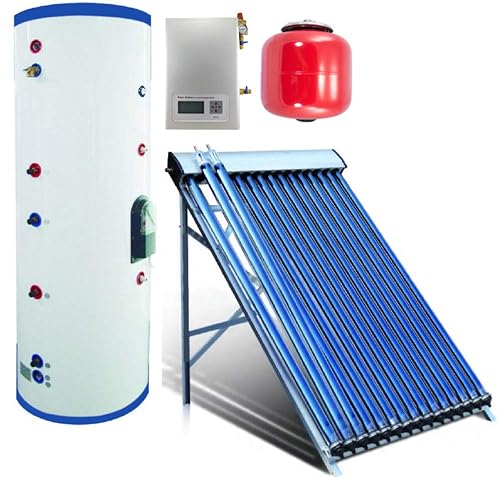
A solar system involves a collector, mounting hardware, insulated piping, a storage tank, pumps, a controller with temperature sensors, and pressure or temperature relief devices. Structural loading on the roof, penetration sealing and piping layout all matter. Permits and code review are common. Roof and Structural Safety for Solar Water Heaters covers what to check before you climb up. For DIY builders, Diy Solar Hot Water Heater: A Step-by-Step Build Guide for Beginners gives the sequence of work, and Solar Water Heater Codes, Permits and Professional Review explains when a licensed professional should sign off.
If you are weighing a self-built solar system, you should also account for the planning phase. Planning a DIY Solar Water Heater: Needs, Site and Materials lays out the decisions that come first, and Site Assessment for a Solar Water Heater: Sun, Shade, Roof and Space helps you judge whether your site is workable at all.
Maintenance and Long-Term Upkeep
Winner: Heat pump water heater, for simplicity. Routine care for a heat pump usually means cleaning or replacing the air filter, checking the condensate drain, flushing the tank periodically and inspecting the anode rod. Manufacturers specify these intervals in the owner’s manual, and they are the kind of tasks most owners can handle.
Solar maintenance is more varied. Glass or polymer glazing needs cleaning, pumps and controllers need checking, and closed-loop systems require antifreeze concentration tests on a set schedule. Water quality matters too, since hard water can scale collectors and piping over time. Water Quality and Scaling in Solar Water Heaters explains how to manage this. Owners often report that solar systems are reliable once commissioned correctly, but that the first few seasons reveal setup problems that take some troubleshooting.
Safety and Temperature Control
Winner: Heat pump water heater, for predictable temperature control. A heat pump tank holds water at a thermostat setting, and the electric backup keeps temperatures steady. A solar tank, by contrast, can climb well past safe use temperatures on a bright summer afternoon if the controls are inadequate. That is why any solar system needs a tempering valve and correct controller settings. Preventing Scalding From Solar Hot Water: Tempering Valves and Settings and Pressure and Temperature Safety in Solar Water Heaters cover the details. Because scalding and pressure failures can cause serious injury, consult a licensed plumber or installer on any safety-related design decision.
Space Use and Home Impact
Winner: Solar hot water system, if you have a suitable roof or yard. Solar uses no interior floor space and does not affect indoor air. A heat pump needs a few hundred cubic feet of air around it and will cool and dehumidify that room, which can be welcome in a hot basement or unwelcome in a small utility closet. If you have a sunny roof and no room indoors, solar is attractive. If the roof is shaded or you have no outdoor space, the heat pump is the obvious choice.
Which Should You Choose?
- Choose a solar hot water system if you have a sunny, south- or west-facing roof or yard, mild winters or a plan for freeze protection, and you are comfortable with plumbing and controls.
- Choose a heat pump water heater if your roof is shaded, you rent or prefer minimal exterior work, or your region has long cloudy periods.
- Choose a heat pump if you want the simplest installation and the least ongoing attention.
- Choose solar if you want to minimize electricity use and have the sun and space to make it work well.
- Consider both in a large home, using solar as the primary source and a heat pump or conventional tank as backup.
- Get a professional assessment before committing to a solar build, especially if structural, permit or freeze questions are unclear.
Product Options
For a solar approach, many builders start with a purpose-made collector or kit. The comparison of whole packages is covered in 9 Best DIY Solar Hot Water Heater Kits Compareds (2026) and the range of collector types is explained in Solar Water Heater Collectors: Batch, Flat Plate and Evacuated Tube. If you are interested in a simple storage-style solar design, 6 Best Batch Solar Hot Water Heater Options for Homeowners (2026) reviews those options.
For a complete off-grid or solar-oriented setup, see 8 Best Solar Hot Water System Off Grid Picks for Homes (2026). For a heat pump, look for a model from an established water heater manufacturer with a published energy factor and a warranty, such as the Rheem ProTerra or the AO Smith Voltex line. View on Amazon is one option to research. For a solar build, a flat-plate or evacuated-tube collector kit from a reputable supplier is the starting point. View on Amazon is one product type to compare against your site and needs.
FAQ
Is a solar hot water system cheaper to run than a heat pump?
Operating costs for solar are typically low because sunlight is free and the remaining electricity covers pumps and controls. A heat pump uses electricity continuously but efficiently. Which one is cheaper in your home depends on your local climate, sun exposure and utility rates, so run the numbers for your specific site.
Can a heat pump water heater work in a cold garage?
It can, but output will be lower when the surrounding air is cold. Many manufacturers recommend installing the unit where the air stays above a minimum temperature, often in a heated space. Check the operating range in the owner’s manual before placing it.
Do solar hot water systems need backup heating?
Yes, in most cases. Solar output varies with weather and season, so a backup electric element or gas burner is needed to guarantee hot water on cloudy days and in winter. Backup sizing should match your daily demand estimate.
Which option lasts longer?
Both can last many years with proper maintenance. Heat pump tanks depend on anode rod condition and water chemistry, while solar collectors depend on glazing, seals and freeze protection. Lifespan claims vary by manufacturer and installation quality, so check warranty terms and maintenance requirements.
Do I need a permit to install either system?
Often yes, especially for solar, which may involve roof work and plumbing changes. Heat pumps usually need an electrical permit. Requirements vary by location, so check with your local building department before starting. Consult a licensed professional when in doubt.
Conclusion
A solar hot water system vs heat pump decision is really a question about your roof, your climate and how much hands-on work you want. Solar offers the highest direct efficiency when sun is abundant, but it demands good exposure, freeze protection and careful controls. A heat pump water heater is simpler to install, performs steadily across most seasons, and fits homes where solar is impractical. Measure your demand, assess your site honestly, and choose the option that fits the conditions you actually have.

About Emmett Caldwell
Emmett covers solar water heaters, comparing specs, features and long-term owner feedback to help readers choose with confidence.