By Audrey Hayes
A solar hot water system cost depends on the type of collector, the size of the storage tank, the labor you do yourself, and what your roof and plumbing already look like. This guide walks you through each cost driver, shows you how to put together a line-item budget, and points out the expenses people most often forget. By the end, you should be able to estimate the total for your own home and know where you have room to save.
Step 1: Decide Which Type of System You Need
The system type is the single biggest influence on your budget, so settle it first. Most residential setups fall into one of three categories.
Shopping for one? See our guide: 8 Best Solar Hot Water System Off Grid Picks for Homes (2026).
- Batch (integral collector storage) systems: The tank doubles as the collector. These are simple, have few moving parts, and are common in warm climates. They tend to be the lowest-cost option, though they lose heat faster overnight and can be exposed to freezing in cold regions.
- Flat-plate collector with separate tank: A glazed panel on the roof feeds a storage tank, usually indoors or in a utility space. Pumped and drainback versions both fall here. Mid-range in cost, and well suited to most US climates.
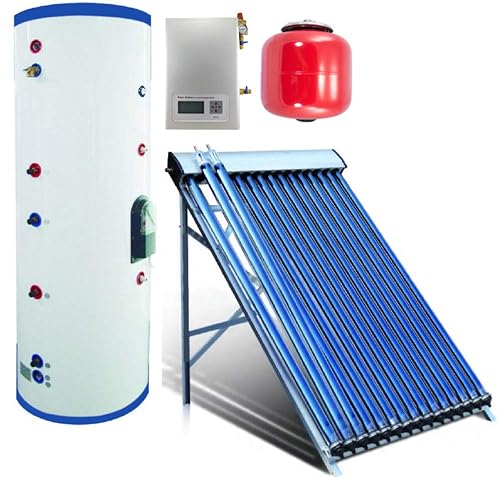
- Evacuated tube collector systems: Glass tubes with a vacuum layer insulate the absorber, which helps in cold weather and on cloudy days. Typically the most expensive per panel, but they can deliver more heat in winter.
If you are comparing approaches, the article Solar Hot Water Tank System Compared: 6 Best Options for Homes (2026) lays out how these designs differ in practice.
Step 2: Size the System for Your Household
Sizing controls both the number of collectors and the tank volume, and both scale your cost. A common planning rule is to estimate daily hot water use per person, then add a margin for seasonal drops in solar output.
- Estimate daily hot water use. A typical US household uses roughly 15 to 25 gallons per person per day at 120°F, depending on habits. Check your utility bills and fixture flow rates for a closer number.
- Multiply by the number of people in the home.
- Choose a storage tank sized to about one to two days of use, so cloudy stretches do not leave you without hot water.
- Count collector area needed to heat that volume, using the collector’s rated output in your region. Manufacturers publish performance data per panel, and that data drives the panel count.
Oversizing adds cost without adding much comfort, while undersizing forces you to rely on a backup heater for a large share of the year. Aim for the sizing that matches your actual use.
Step 3: Build a Line-Item Budget
A reliable estimate breaks the project into categories. Gather quotes or catalog listings for each line, then add them up. Use the table below as a checklist of what to include.
| Budget Line | What It Covers | Notes That Shift the Number |
|---|---|---|
| Collectors | Panels or tubes, plus mounting hardware | Collector type and count; certified (SRCC-rated) products often cost more upfront |
| Storage tank | Insulated tank with heating element or heat exchanger | Capacity, material, and whether it includes a solar coil |
| Pump and controller | Circulation pump, differential controller, temperature sensors | Pumped systems need these; drainback and thermosiphon designs may not |
| Piping and fittings | Copper or PEX lines, insulation, valves, expansion tank | Roof-to-tank distance is the main driver |
| Backup heater | Electric element or gas booster for cloudy periods | Often already present if you have an existing water heater |
| Roof work | Structural check, flashing, penetrations | Older or weak roofs may need reinforcement first |
| Permits and inspection | Local building and plumbing permits | Rules vary by jurisdiction; check before purchase |
| Labor | Installer time, or your own time as DIY | Largest variable if you hire out the work |
| Contingency | Unexpected fittings, weather delays, rework | Plan a modest buffer on any DIY project |
For a deeper walk-through of how each line item is structured, see Solar Hot Water Heating System Cost: A Step-by-Step Guide to Budgeting (2026).
Step 4: Compare Costs Across System Types and Brands
Once you have a rough system type and size, compare complete packages rather than individual parts. Manufacturers often sell matched kits that include collectors, tank, pump, and controller, which can simplify both purchasing and installation. Brand-name systems frequently carry higher upfront prices but may include warranties and published performance data that help you plan.
Some useful comparisons to make:
- Batch systems versus flat-plate with separate tank, given your climate and freeze risk.
- Pumped versus drainback designs, since drainback avoids antifreeze but requires careful pitch and piping.
- Installed package versus component purchase, to see whether labor savings offset equipment markup.
Regional brands and the specific products they sell change often, so verify current listings and specifications before you commit. For example, the article Rheem Solar Hot Water System Price: What You'll Pay and What Drives It shows how one manufacturer’s line is priced and what affects the final total.
Step 5: Account for Ongoing and Hidden Costs
The purchase price is only part of the picture. Budget for the following:
- Antifreeze and fluid replacement in closed-loop systems, typically every few years, per manufacturer guidance.
- Pump electricity, usually small, but it adds up over a year.
- Backup energy during long overcast periods, which depends on your local climate and tank size.
- Maintenance visits for inspection of seals, valves, and sensors.
- Roof maintenance, such as checking flashing after storms.
If you run into performance trouble after installation, such as weak output, the article Solar Water Heater Temperature Problems: Too Cold or Too Hot covers the most common causes and how to diagnose them.
Step 6: Check Incentives and Local Requirements
Some states, utilities, and local programs offer rebates or tax credits for solar thermal equipment, and their availability changes from year to year. Check the Database of State Incentives for Renewables and Efficiency (DSIRE) and your utility’s website. Confirm eligibility rules before you buy, since many programs require certified equipment and licensed installation. Because tax and incentive rules are specific to your situation, consult a qualified tax professional or installer before relying on any credit in your budget.
Common Mistakes to Avoid
- Skipping a structural check. Collectors and filled tanks are heavy. Confirm the roof or mounting surface can carry the load.
- Buying by panel count alone. Compare rated performance and tank volume, not just the number of collectors.
- Ignoring pipe run length. Long runs increase heat loss and material cost.
- Underestimating permits. Failed inspections are expensive to correct.
- Forgetting the backup heater. Plan for it in the budget and in your daily routine.
- No contingency. Even careful plans run into surprises, so keep a buffer.
Tips for a Tighter Budget
- Reuse an existing storage tank if it is in good condition and correctly sized.
- Position the tank close to the collectors to shorten piping.
- Get at least three written quotes for installed work, and ask each vendor to itemize.
- Schedule installation during a slow season for the installer, if your provider offers that flexibility.
- Choose a system type suited to your climate rather than the most advanced option available.
Recommended Gear
These items help with planning and the installation tasks that affect cost:
- Digital moisture and temperature meter, useful for checking tank and pipe temperatures during commissioning. View on Amazon
- Pipe insulation sleeves, to reduce heat loss on exposed runs and keep your piping costs predictable. View on Amazon
- PEX crimp tool kit, for DIY piping connections where your local code allows PEX. View on Amazon
- Clamp-on multimeter, for checking pump and controller electrical draw during testing. View on Amazon
FAQ
What is the main factor in a solar hot water system cost?
The collector type and the number of collectors usually drive the largest share, followed by the storage tank and whether you hire installation labor. Roof-to-tank distance and permitting also change the total.
Is a DIY system cheaper than a professionally installed one?
Often, yes, because labor is a major expense. However, you take on the risk of errors in plumbing, electrical work, and roof penetrations. Many homeowners hire out the roof and electrical portions while handling simpler tasks themselves.
Do solar hot water systems need antifreeze?
Closed-loop pumped systems often use a glycol-based fluid in colder climates. Drainback designs drain the collectors when the pump stops, and batch systems rely on other freeze protection. Follow the manufacturer’s guidance for your region.
How long do solar hot water systems last?
Manufacturers commonly specify a service life of around 15 to 20 years for collectors, with tanks and controls needing replacement sooner. Actual lifespan depends on water quality, installation quality, and maintenance.
Will a solar system eliminate my water heating bill?
Not usually. Most systems are sized to cover a large share of annual demand, with a backup heater covering cloudy periods and peak demand. Your savings depend on climate, system size, and household habits.
Can I install a solar hot water system myself?
Some homeowners do, but plumbing, electrical, and roofing work must meet local codes and often require permits. Consult a licensed plumber, electrician, or solar installer to confirm what you are allowed to do yourself.
Are there incentives that reduce the upfront cost?
Some state, utility, and local programs offer rebates or tax credits, but availability changes frequently. Check DSIRE and consult a qualified tax professional before counting on any incentive.
Conclusion
A solar hot water system cost comes down to system type, sizing, the number of collectors and tank volume, and how much labor you handle yourself. Build your estimate line by line, include ongoing expenses and a contingency, and check incentives before you commit. Compare complete packages, verify current specifications, and confirm local code requirements. With those steps, you will have a realistic budget you can trust.
Related reading
- Sunbird Solar Hot Water System Prices: What You'll Pay and Why It Varies
- Solar Powered Hot Water System: A Step-by-Step Guide for Beginners
Ready to choose one?
About Audrey Hayes
Audrey Hayes is part of our editorial team and reviews and edits our solar water heaters guides, checking product details against manufacturer specifications and owner feedback.