By Audrey Hayes
Updated November 2026
A solar domestic hot water system price depends on a handful of decisions: the type of collector you choose, how large a storage tank you need, whether you buy a packaged kit or assemble parts yourself, and how much of the install you do. This guide walks through each of those factors so you can estimate where your project will land, compare options on an even footing, and avoid surprises once the work starts. Pricing figures change constantly, so treat this as a framework for thinking rather than a quote sheet.
What a Solar Domestic Hot Water System Includes
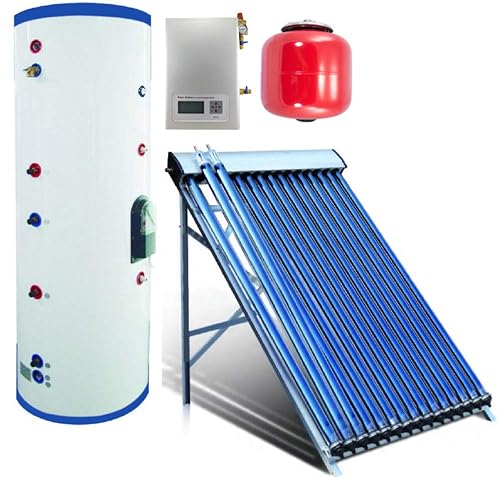
Before you can compare any solar domestic hot water system price, you need to know what the number covers. Most residential systems have four core parts. The collector captures sunlight and transfers heat to a fluid. The storage tank holds the heated water until you draw it. The circulation method, either passive thermosiphon or pumped, moves heat between collector and tank. The controls and safety devices regulate temperature, pressure and freeze protection. Some quotes also include a backup heat source such as an electric element or gas booster, which matters a great deal for cloudy-season reliability.
Shopping for one? See our guide: 3 Best Solar Domestic Hot Water System Options for Homeowners (2026).
When a quote lists only a collector and tank, ask whether mounting hardware, piping, insulation, pump, controller, expansion tank and labor are included. Those items often account for a large share of the final figure.
The Main Factors That Drive the Price
Collector Type
Flat-plate collectors are the most common choice for residential roofs. They are sturdy, relatively simple to mount and widely available. Evacuated tube collectors tend to perform better in cold or overcast conditions because the vacuum around each tube reduces heat loss, but they usually cost more per unit of collector area. Integrated collector storage (ICS) units combine collector and tank into one assembly, which simplifies installation but limits placement options.
Tank Size and Construction
Tank volume is one of the most direct levers on the solar domestic hot water system price. A household of two often gets by with a tank in the 150 to 200 liter range, while a family of four or five may need 300 liters or more. Material matters too. Stainless steel and glass-lined steel tanks cost more but resist corrosion better than basic enameled steel. Check whether the tank is rated for solar use, since it needs appropriate coil or heat exchanger connections.
Passive Versus Active Circulation
Thermosiphon systems rely on hot water rising naturally into a tank mounted above the collector. They have no pump and fewer components, so they are usually less expensive to buy. Active or pumped systems use a small circulator controlled by a differential thermostat. They offer more layout flexibility and often perform better in homes where the tank must sit indoors or below the roofline, but the pump, controller and sensors add cost and a small amount of electrical use.
Installation Labor
Labor can represent a major part of the total. Roof work, structural checks, plumbing connections, electrical hookups and commissioning all take time. Installers with solar certification and familiarity with local plumbing codes typically charge more than general handypeople, but they also reduce the risk of leaks, undersized piping or reversed sensor wiring. Get written quotes that break out labor separately so you can see what you are paying for.
Roof, Site and Structural Conditions
A simple south-facing roof with clear access and sound framing keeps costs down. Complicating factors include steep pitches, tile or slate roofs that need special flashing, long pipe runs between collector and tank, and the need for a structural engineer’s sign-off if the roof framing is marginal. Each adds time and materials.
Incentives and Local Rebates
Some regions offer tax credits, rebates or utility programs for solar water heating. Program rules, eligibility and funding levels change frequently, so check current local and state or provincial sources before finalizing your budget. Never assume an incentive will apply without confirming the requirements in writing.
How to Build Your Own Price Estimate
A structured estimate beats a single guess. Work through the following steps.
- Calculate daily hot water demand. A common planning figure is roughly 30 to 60 liters per person per day for typical household use, adjusted for your habits.
- Choose a tank size that covers that demand with a margin for cloudy days, typically one to two days of storage.
- Select a collector type and estimate the number of panels or tubes needed based on your location’s solar resource and manufacturer performance data.
- Decide between passive and active circulation based on your roof and tank placement.
- List every component, including mounting rails, flashing, piping, insulation, valves, pump, controller, expansion tank and backup heater if needed.
- Request at least three itemized quotes that cover the same scope, so the numbers are comparable.
- Add a contingency, commonly around 10 to 15 percent, for unexpected roof or plumbing work.
Sample Comparison of Cost Drivers
| Decision | Lower-Cost Direction | Higher-Cost Direction | Main Trade-Off |
|---|---|---|---|
| Collector | Flat-plate | Evacuated tube | Cold-weather performance versus upfront material |
| Circulation | Passive thermosiphon | Pumped active | Simplicity versus layout flexibility |
| Tank | Smaller volume, basic enamel | Larger volume, stainless or glass-lined | Capacity and durability versus size and material |
| Installation | DIY assembly with pro roof sign-off | Full turnkey by installer | Savings versus time, warranty and risk |
| Backup heat | None or simple electric element | Gas booster or heat pump backup | Reliability versus added equipment |
Common Mistakes When Budgeting
- Comparing quotes that include different scopes. One may omit the pump, controller or insulation.
- Sizing the tank too small to save money, then running frequent backup heat that erases the savings.
- Ignoring roof load and structural capacity. Filled collectors and tanks are heavy.
- Underestimating pipe insulation. Heat loss in exposed lines reduces delivered hot water.
- Skipping freeze protection in cold climates, which can crack collectors and piping.
- Forgetting ongoing costs such as fluid replacement, annual inspection and eventual pump or controller replacement.
Tips for Getting a Realistic Number
- Ask every installer to specify the brand and model of each component so you can check warranties.
- Confirm whether the quote includes permits and inspection fees.
- Request the expected annual solar fraction or performance estimate, not just equipment specs.
- If you plan to do part of the work yourself, agree in advance on which tasks you will handle and how the installer will document their scope.
Recommended gear
A digital infrared thermometer helps you verify tank and piping temperatures during commissioning, which is useful when comparing real performance against what the installer promised. View on Amazon
A solar-rated pipe insulation sleeve reduces heat loss on exposed runs between collector and tank, one of the cheapest ways to protect delivered temperature. View on Amazon
A pressure and temperature relief valve tester is a practical check on the safety valve that every closed solar loop depends on. View on Amazon
FAQ
What is a typical solar domestic hot water system price range?
Prices vary widely by region, collector type, tank size and whether installation is included. Get itemized quotes for the same scope to compare fairly, and confirm exactly what each figure covers.
Is a DIY system always cheaper than a professional install?
Not always. DIY reduces labor costs, but mistakes in roof flashing, plumbing or electrical work can be expensive to fix. Many owners handle assembly and have a licensed professional handle roof and final connections.
Which costs more, flat-plate or evacuated tube collectors?
Evacuated tube collectors usually cost more per unit of area, though they can perform better in cold or overcast weather. The right choice depends on your climate and roof layout.
How long does a solar water heater last?
Many manufacturers specify a design life of around 15 to 20 years for collectors, with tanks, pumps and controllers often needing earlier attention. Check the warranty terms for each component.
Do I need a backup heater?
Most homes do, at least for extended cloudy periods. A backup element or booster ensures hot water is available when solar input is low.
Are there incentives that lower the net cost?
Some regions offer tax credits or rebates. Program rules change often, so verify current eligibility with your local energy office or tax advisor before counting on any credit.
Should I hire a professional to check the system?
Yes. Roof structure, gas or electrical connections, and pressure safety devices should be reviewed by a licensed professional. Consult one before committing to any installation plan.
Conclusion
The solar domestic hot water system price you pay comes down to collector type, tank size, circulation method, installation scope and any local incentives. Build your own estimate by sizing demand first, then compare itemized quotes that cover identical components. Plan for a contingency and verify that safety devices, insulation and backup heat are properly specified.
Related reading
- Sunbird Solar Hot Water System Prices: What You'll Pay and Why It Varies
- Split Solar Hot Water System Price: What You'll Pay and What Drives It
- Solar Panel Hot Water System Price: A Practical Guide (2026)
Ready to choose one?
About Audrey Hayes
Audrey Hayes is part of our editorial team and reviews and edits our solar water heaters guides, checking product details against manufacturer specifications and owner feedback.