By Emmett Caldwell
Hiring the right solar hot water system installers is the difference between a system that quietly heats your water for twenty years and one that leaks, overheats or never reaches its rated output. This guide walks you through how to find qualified installers, check their credentials, compare quotes and confirm the work was done correctly. By the end, you will have a short list of candidates and a clear checklist for judging each one.
Why Installer Choice Matters More Than Most Buyers Expect
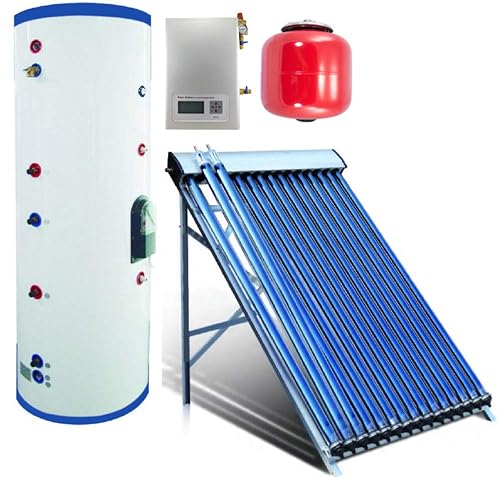
A solar water heater is a plumbing system, a roof-mounted heat collector and an electrical control system rolled into one. Each of those parts can fail if it is sized or connected incorrectly. Solar hot water system installers who understand thermal loads, pressure ratings and freeze protection will prevent most of the problems owners later report, such as weak output in winter, scalding at the tap and collector damage from stagnation.
Shopping for one? See our guide: 8 Best Solar Hot Water System Off Grid Picks for Homes (2026).
Installers also determine whether your system passes inspection. Many jurisdictions require permits for roof penetrations, pressure vessels and gas or electric backup, and an unpermitted installation can complicate insurance claims and home sales. If you are unsure what applies where you live, see our guide on Solar Water Heater Codes, Permits and Professional Review before you sign anything.
Step 1: Define What You Need Before Calling Anyone
Installers quote more accurately when you arrive with numbers. Before contacting anyone, gather the following:
- Daily hot water demand in gallons, based on the number of occupants and typical fixture use
- Your preferred system type, such as flat plate, evacuated tube, batch or thermosiphon
- Roof orientation, pitch and the amount of shading from trees or neighboring buildings
- Whether you need freeze protection, and the minimum winter temperature in your area
- Your existing water heater type, plumbing layout and electrical service
If you do not yet know your demand, How to Estimate Your Household Hot Water Needs Before Going Solar gives a worksheet you can complete in about twenty minutes. Bring those figures to every consultation so each installer quotes the same scope.
Step 2: Find Candidate Installers
Start with licensed plumbing or solar contractors. In many states, solar thermal work falls under plumbing or mechanical licensing rather than a dedicated solar license, so ask which license covers the work being done. Useful sources include:
- Contractor licensing boards, where you can confirm license status and disciplinary history
- Regional solar associations and state energy office directories
- Manufacturer installer networks, which list contractors trained on specific equipment
- Referrals from neighbors who have had solar thermal systems installed in the last few years
Aim for three to five candidates. Fewer than three makes comparison difficult, and more than five usually adds time without adding insight.
Step 3: Vet Credentials and Experience
Confirm Licensing and Insurance
Ask for the license number and verify it with the issuing board. Request a certificate of general liability and workers’ compensation insurance, and check that the policy is current. Contractors who hesitate here should be dropped from consideration.
Ask About Solar Thermal Specifically
Solar photovoltaic experience does not transfer directly to solar thermal work. Ask how many solar hot water systems the installer has completed in the past three years, what collector types they have worked with, and whether they can provide two or three references for similar installations.
Check Roof and Structural Competence
Collectors add weight and wind load. A competent installer will discuss attachment methods, flashing, and whether a structural engineer should review the roof. Our article on Roof and Structural Safety for Solar Water Heaters covers what they should be checking.
Step 4: Request and Compare Quotes
Give every installer the same written scope. Each quote should state the collector model and count, storage tank size, pump or circulation method, controller and sensors, expansion tank, pressure relief and tempering provisions, backup heating source, freeze protection method, permit handling and warranty terms. Quotes that omit any of these items are not comparable.
| Quote item | What to look for |
|---|---|
| Collector specification | Model name, gross area, and manufacturer warranty period |
| Storage tank | Capacity in gallons, material, and pressure rating |
| Controls | Differential controller with temperature sensors named |
| Safety devices | Pressure relief valve, expansion tank, and tempering or mixing valve |
| Freeze protection | Drainback, glycol loop, or documented alternative for your climate |
| Permits and inspection | Who pulls the permit and who schedules the inspection |
| Workmanship warranty | Duration and what it covers |
Step 5: Ask the Questions That Reveal Quality
Beyond the quote, these questions separate careful installers from rushed ones:
- How will you prevent overheating during summer stagnation when the tank is full?
- What is your plan for freeze protection if temperatures drop below 32°F?
- How will you control outlet temperature at the faucet to prevent scalding?
- Will you size the system using a recognized method or rule of thumb, and can you explain it?
- What maintenance schedule do you recommend, and do you offer it?
Vague answers to any of these are a warning sign. For the scalding question in particular, review Preventing Scalding From Solar Hot Water: Tempering Valves and Settings so you can judge whether the answer is correct.
Step 6: Verify the Installation Before Final Payment
Do not release the final payment until you have completed a walkthrough. Check the following:
- Collectors are mounted with the manufacturer’s specified tilt and azimuth
- All roof penetrations are flashed and sealed, with no visible gaps
- Piping is insulated, especially on exposed runs and outdoors
- The pressure relief valve discharge is routed to a safe location
- Controller sensors are seated in their wells and labeled
- The inspection has passed and the sign-off paperwork is in hand
Common Mistakes
- Choosing on price alone. The lowest quote often omits tempering valves, freeze protection or proper flashing.
- Skipping the permit. Unpermitted work can void insurance coverage and create problems at resale.
- Accepting a generic quote. If the installer cannot name the collector and controller models, ask again.
- Ignoring the warranty fine print. Manufacturer warranties often require installation by a certified installer and annual maintenance.
- Assuming the system is sized correctly. Ask for the sizing calculation in writing.
Tips for a Smoother Process
- Schedule site visits during the same season your system will operate, so you can see actual sun exposure.
- Photograph your roof and mechanical room before work begins for your own records.
- Keep every document, including permits, warranties and the commissioning report, in one folder.
- Ask whether the installer will provide a written commissioning test showing outlet temperatures and flow.
Recommended gear
Owners who plan to monitor their system or verify installer work often find these tools useful:
- Infrared thermometer to spot-check pipe and tank surface temperatures during your walkthrough. View on Amazon
- Digital pressure gauge for checking static pressure in the cold-water supply before and after installation. View on Amazon
- Clamp-on data logger for recording pump runtime and sensor readings over several sunny days. View on Amazon
FAQ
How long does a solar hot water installation usually take?
Most residential installations take one to three days on the roof and in the mechanical room, plus time for the permit and inspection. Timelines vary with system type and local permitting backlogs.
Do I need a specialist solar installer, or will a regular plumber do?
A plumber can handle the plumbing, but solar thermal design involves collector mounting, freeze protection and controls. Look for a plumber or contractor with documented solar thermal projects.
Should I hire the same company that sold me the equipment?
Not always. Some equipment sellers subcontract installation, which can complicate warranty claims. Confirm who is responsible for workmanship before signing.
What should a solar hot water warranty cover?
Manufacturer warranties usually cover collectors and tanks, while installer warranties cover workmanship such as leaks and mounting. Get both in writing, with durations stated.
Can I install a solar water heater myself instead?
Some people do build their own systems, but permits, pressure safety and roof work carry real risk. Read Is a DIY Solar Water Heater Right for You? A Decision Guide before deciding.
How often should a solar hot water system be serviced?
Many manufacturers recommend an annual check of fluid levels or drainback function, pressure, sensors and pump operation. Confirm the schedule in your warranty documents.
What if my installer is unresponsive after the job?
Document every issue in writing, contact your state contractor licensing board if needed, and check whether your warranty requires a claim within a set window.
Is a site assessment worth paying for?
Often yes. A written assessment of sun exposure, shading and roof condition can prevent expensive redesigns. See Site Assessment for a Solar Water Heater: Sun, Shade, Roof and Space for what it should include.
Conclusion
Good solar hot water system installers combine licensing, solar thermal experience and careful attention to safety and freeze protection. Define your needs first, collect comparable written quotes, and verify the work before final payment. Taking those steps will give you a system that performs as designed for years.
Related reading
- Solar Water Heater Temperature Problems: Too Cold or Too Hot
- Solar Hot Water Storage Tanks: Sizing, Types and Safety Parts
- Preventing Scalding From Solar Hot Water: Tempering Valves and Settings
- How to Estimate Your Household Hot Water Needs Before Going Solar
- Diy Solar Hot Water Heater: A Step-by-Step Build Guide for Beginners
- Best Thermostatic Mixing Valves for Solar Hot Water: 5 Compared
Ready to choose one?

About Emmett Caldwell
Emmett covers solar water heaters, comparing specs, features and long-term owner feedback to help readers choose with confidence.