By Emmett Caldwell
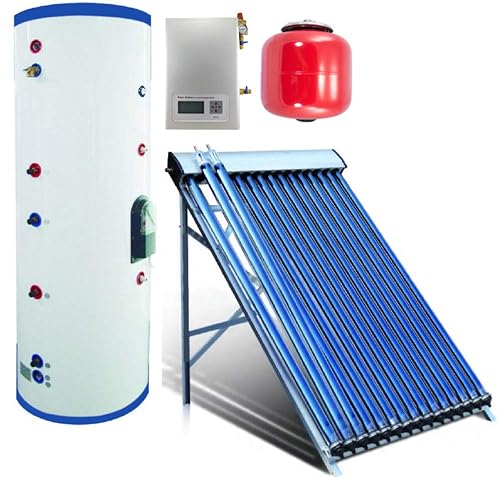
When people compare solar hot water system efficiency, they usually want to know which collector design delivers the most usable heat per square foot of roof. The short answer: evacuated tube collectors win on cold-weather performance and heat retention, while batch (integrated collector storage) heaters win on simplicity, lower build effort and suitability for mild climates. If you live where winters stay above freezing and you plan to build your own unit, a batch heater is often the sensible pick. If you need steady hot water in cold months and can buy a ready-made system, evacuated tubes are the stronger choice.
Efficiency here means the fraction of incoming solar energy that ends up as hot water in your storage tank. It depends on the collector, the storage arrangement, insulation, piping losses and how your household actually uses hot water. The comparison below uses the criteria that matter most to a homeowner deciding between the two designs.
Batch Heater vs Evacuated Tube: Side-by-Side Comparison
| Criterion | Batch (Integrated Collector Storage) Heater | Evacuated Tube Collector System |
|---|---|---|
| Basic principle | Water sits inside insulated tank(s) that are exposed to sunlight | Water or glycol circulates through sealed glass tubes around a heat-transfer element |
| Heat loss at night | Higher; stored water loses heat through the glazing and tank walls | Lower; vacuum gap limits conductive and convective losses |
| Cold-weather performance | Weaker below roughly freezing; best in mild climates | Stronger; performs well in cold, cloudy and windy conditions |
| Piping and pump requirements | Minimal; often gravity or thermosiphon fed | Usually requires a pump, controller and heat-transfer loop |
| Freeze protection | Difficult; water sits in the collector | Easier with glycol loops or drainback designs |
| DIY build difficulty | Moderate; accessible to a determined beginner | High; vacuum tubes and controls are better sourced as kits or finished units |
| Maintenance | Low; check glazing, seals and anode-free tank condition | Moderate; monitor pump, fluid and controller |
| Best fit | Warm or mild climates, simple systems, DIY builders | Cold climates, year-round demand, homeowners wanting higher output |
Thermal Efficiency: Which Design Captures More Heat?
On a sunny day, a well-built batch heater can turn a large share of incident sunlight into warm water, but its efficiency drops quickly as the water heats and the glazing loses heat back to the air. Evacuated tubes use a vacuum around an inner absorber, which sharply reduces convective and conductive losses. Owners often report that tubes keep producing useful heat later into the afternoon and on overcast days. Winner: evacuated tube collectors.
Still, peak efficiency numbers can mislead. A batch unit with generous insulation and a sized storage tank may serve a small household very well. Before comparing collectors on paper, work through your daily draw. How to Estimate Your Household Hot Water Needs Before Going Solar shows how to size your system against real demand.
Heat Retention and Night-Time Losses
Batch heaters store water in the collector itself, so anything that loses heat to the night sky loses it from your supply. Insulated covers and foam or mineral wool wrapping reduce this, but the glass face remains a weak point. Evacuated tubes separate the absorber from the storage tank, which is usually indoors or in an insulated enclosure. This layout keeps the water you need much warmer by morning. Winner: evacuated tube collectors, with the caveat that the storage tank itself must be well insulated. For tank sizing and insulation ratings, see Solar Hot Water Storage Tanks: Sizing, Types and Safety Parts.
Cold-Weather and Freeze Performance
Water in a batch collector can freeze overnight in cold climates, cracking glazing or fittings. Manufacturers of batch units generally specify cold-climate limits, and many owners in freezing regions drain these systems each winter. Evacuated tube systems can use antifreeze glycol loops or drainback arrangements, so the collector fluid stays protected while the storage tank remains in use. If freezing is a concern for your site, read Winterizing a DIY Solar Water Heater: Freeze Protection Options before choosing a design. Winner: evacuated tube collectors.
Installation Complexity and Piping Losses
Batch heaters are the simpler installation. You connect cold inlet and hot outlet, add a tempering valve and secure the unit to a roof or frame. Piping runs are typically short, which keeps heat losses low. Evacuated tube systems add pumps, sensors, controllers and longer loops. Each extra joint and run of pipe can cost efficiency if it is poorly insulated. Winner: batch heaters. For layout and insulation guidance, see Piping for Solar Water Heaters: Materials, Insulation and Layout.
Safety and Scald Control
Both designs can produce water hot enough to scald on a clear summer day. A thermostatic mixing valve set at the tank outlet is the standard protection, and it belongs on any solar installation regardless of collector type. Batch systems sometimes run hotter at the collector when water sits unused, so verify the tempering setup carefully. For safe setpoints and valve selection, read Preventing Scalding From Solar Hot Water: Tempering Valves and Settings. Pressure and temperature relief also matter; see Pressure and Temperature Safety in Solar Water Heaters. Because local plumbing and electrical rules vary, have a licensed professional review any system tied into your home water supply. Winner: tie, since safety depends on proper valves and installation rather than collector type.
Cost of Ownership and Maintenance Effort
Batch heaters have fewer moving parts, so routine maintenance is light: inspect glazing, check seals, watch for leaks and confirm the relief valve works. Evacuated tube systems need pump, controller and fluid checks, and glycol loops should be tested periodically. Over a long service life, the simpler design usually means fewer service calls. Winner: batch heaters.
Which Should You Choose?
- Choose a batch heater if you live in a mild climate with few or no hard freezes, you want a simpler build and you are comfortable with moderate DIY work.
- Choose a batch heater if your hot water demand is modest and you can accept lower output on cold or cloudy days.
- Choose an evacuated tube system if you face cold winters and need dependable hot water through most of the year.
- Choose an evacuated tube system if you want higher thermal efficiency and can work with a pump, controller and glycol loop.
- Choose an evacuated tube system if you prefer a ready-made or kit-based unit over sourcing vacuum tubes yourself.
- Whichever you choose, get a professional review for code compliance and connection to your home plumbing. See Solar Water Heater Codes, Permits and Professional Review.
If you are still deciding whether to build at all, Is a DIY Solar Water Heater Right for You? A Decision Guide covers the broader trade-offs. For a practical starting point with batch units, 6 Best Batch Solar Hot Water Heater Options for Homeowners (2026) lists common options.
Product Options to Research
For a batch-style starting point, look for an integrated collector storage unit with a sealed glazing and insulated tank, such as a Sunmaxx Batch Solar Water Heater style unit. For evacuated tubes, consider a Duda Energy evacuated tube collector kit or a comparable manufacturer kit. Compare the manufacturer’s freeze limits, pressure ratings and warranty before buying.
Batch option: View on Amazon
Evacuated tube option: View on Amazon
FAQ
Is an evacuated tube system always more efficient than a batch heater?
Not always. Evacuated tubes generally hold heat better and perform more consistently in cold or cloudy weather, so they usually deliver more usable heat over a year in cold climates. In warm, sunny regions a well-insulated batch heater can perform competitively for a small household, and it wastes less energy in piping.
Can I build an evacuated tube collector myself?
It is possible but demanding. Sourcing sealed vacuum tubes, heat-transfer elements and controllers is the hard part. Many builders start with a manufacturer kit or finished collector and focus their own effort on mounting and piping.
Do batch heaters work in freezing weather?
Generally, no, unless you drain them or protect them with heating or insulation strategies. Check the manufacturer’s stated minimum operating temperature before installing one in a cold region.
Do I need a tempering valve with either design?
Yes. A thermostatic mixing valve limits delivered water temperature and protects against scalding, regardless of collector type. Set it according to local code and the valve manufacturer’s instructions.
Should I hire a professional to install a solar hot water system?
In most cases, yes, at least for the final connection to your plumbing and for permit or code review. Local rules on roof loads, pressure and electrical work vary, so a licensed installer or inspector should confirm the design.
Conclusion
For solar hot water system efficiency, evacuated tube collectors come out ahead on heat retention, cold-weather performance and year-round output. Batch heaters win on simplicity, lower maintenance and ease of building yourself, and they can be the more practical choice in mild climates with modest hot water needs. Start by estimating your daily demand and checking your local winter temperatures, then choose the design that matches your climate and build capacity. Have any system connected to your home plumbing reviewed by a qualified professional.

About Emmett Caldwell
Emmett covers solar water heaters, comparing specs, features and long-term owner feedback to help readers choose with confidence.