By Audrey Hayes
Updated November 2026
A solar hot water system price depends on the type of collector, the size of the storage tank, the roof or ground mounting, and whether you do the installation yourself or hire a licensed installer. This guide walks you through each cost driver so you can build a realistic budget, compare quotes on equal terms, and decide where a DIY approach makes sense. You will also see which line items people most often forget.
Step 1: Understand What Makes Up the Total
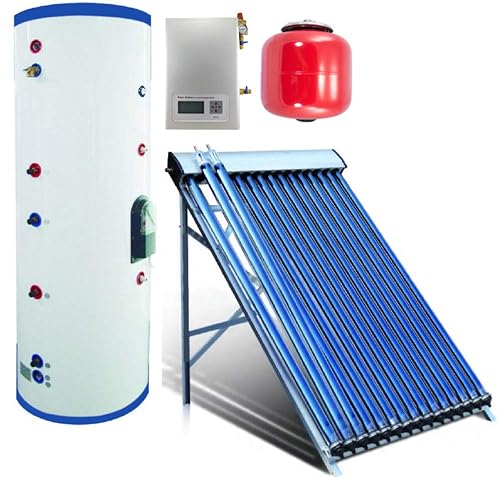
Before comparing quotes, break the system into its major parts. Most solar hot water systems have the same core components, even though the brand and configuration vary.
Shopping for one? See our guide: 6 Best Indirect Solar Hot Water System Options for Homes (2026). A related read: Solar Hot Water DIY: Build a Working System Step by Step.
- Collector: flat plate or evacuated tube panels that absorb sunlight.
- Storage tank: an insulated tank that holds heated water, often with a backup element or connection.
- Circulation system: either a pump-driven loop (active) or a gravity-driven thermosiphon (passive).
- Controller and sensors: temperature sensors, a differential controller, and in some cases a freeze protection valve.
- Mounting hardware: racks, brackets, flashing, and roof penetrations.
- Piping, insulation and fittings: copper or PEX lines, pipe insulation, valves, and expansion tanks.
- Backup heat source: an electric element, gas booster, or heat pump tied into the tank.
- Labor, permits and inspection: often the most variable line item.
When someone quotes you a single figure, ask what is included. A quote covering only the collectors and tank is very different from one that includes plumbing, permits and commissioning.
Step 2: Choose the System Type That Fits Your Climate
System type is the biggest lever on the final number. Manufacturers generally specify that evacuated tube collectors perform better in cold or cloudy conditions, while flat plate collectors are simpler and often lower in complexity. Passive thermosiphon systems avoid a pump and controller, which removes some components but requires the tank to sit above the collectors.
In freezing climates, you will also need freeze protection, either a glycol loop with a heat exchanger or a drain-back design. That adds components and cost, so factor it in early.
Sub-step: Compare System Categories
| System type | Typical strengths | Cost drivers to watch |
|---|---|---|
| Passive thermosiphon | No pump, fewer parts, simpler upkeep | Tank must sit above collectors; roof loading |
| Active flat plate, pumped | Flexible tank placement, widely available parts | Pump, controller, freeze protection in cold areas |
| Active evacuated tube, pumped | Strong output in cold or overcast weather | Tube count, specialized mounting, heat pipe replacement |
| Drain-back | Freeze protection without glycol | Extra reservoir tank, careful pipe slope |
Step 3: Size the System Correctly
Oversizing is one of the most common ways to waste money, and undersizing leaves you short of hot water in winter. A general starting point used by many installers is roughly 40 to 60 liters of storage per person for a household, adjusted for climate and usage patterns. Collector area is then matched to the tank and to your local solar resource.
Write down your daily hot water use. A rough method is to estimate liters per person per day for showers, dishes and laundry, multiply by occupants, and add a margin of about 20 percent. Use this number to shortlist tank sizes rather than guessing.
Sub-step: Check Your Roof and Site
- Confirm the roof can carry the filled weight of collectors and tank.
- Note orientation and tilt. Many guides suggest a south-facing roof in the Northern Hemisphere and a north-facing roof in the Southern Hemisphere, with tilt near your latitude.
- Measure the distance from collectors to the tank. Longer pipe runs add material and heat loss.
- Check for shading from trees, chimneys or neighboring buildings during mid-morning through mid-afternoon.
Step 4: Build Your Budget Line by Line
Create a worksheet with one row per component and a column for each quote or your own sourcing. This makes it easy to spot a supplier who has left out fittings, controls or delivery.
- List collectors, with the quantity and model number.
- Add the storage tank, including any backup element or heat exchanger.
- Add the pump, controller, sensors and any expansion or pressure relief components.
- Add mounting racks, flashing and roof sealant.
- Add piping, insulation, valves and fittings.
- Add permit fees, inspection costs and any structural engineer report required locally.
- Add labor, or your own time and tool rental if you are doing the work.
- Add a contingency line for unexpected roof repairs or pipe work, commonly set as a share of the total.
Compare totals only after every line is filled in. A quote that looks lower often omits controls, mounting or commissioning.
Step 5: Decide What to DIY and What to Hire Out
Many homeowners build or install portions of a system themselves. Mounting collectors, running insulated pipe and assembling a thermosiphon frame are common DIY tasks. Electrical connections for pumps and backup elements, gas work, and roof penetrations that affect warranties or insurance are better left to licensed trades in most jurisdictions. Check your local codes before starting, since requirements for backflow prevention, temperature and pressure relief valves, and tempering valves vary.
Consult a licensed plumber, electrician or solar installer for any gas, high-voltage or structural work.
Common Mistakes
- Comparing quotes that cover different scopes, such as one with controls and one without.
- Choosing a tank that is too large for your household, which wastes heat and adds cost.
- Forgetting freeze protection in cold regions and discovering it after a hard winter.
- Overlooking pipe insulation. Bare runs lose heat and reduce the benefit of the collectors.
- Skipping the roof load check, especially on older homes or lightweight framing.
- Not budgeting for annual maintenance such as fluid checks, valve inspection and sensor testing.
Tips for Getting Accurate Quotes
- Send every supplier the same sizing data: occupants, daily use, roof details and pipe distance.
- Ask for model numbers so you can verify specifications independently.
- Request a line-item breakdown including labor, permits and commissioning.
- Ask whether the warranty covers collectors, tank and controller separately, and for how long.
- If you are comparing against a gas or heat pump alternative, use the same heating-load assumptions for each.
Recommended gear
These items are widely used by DIY builders and help with measuring and installation planning:
- A digital inclinometer, which helps you set collector tilt accurately against your latitude. View on Amazon
- A laser distance meter, useful for measuring roof spans and pipe runs during planning. View on Amazon
- Pipe insulation for hot water lines, which reduces heat loss between the collectors and tank. View on Amazon
- A pipe cutter sized for copper tubing, which makes clean, square cuts for the piping run. View on Amazon
FAQ
What is the biggest factor in a solar hot water system price?
The collector type and tank size usually account for the largest share, followed by installation labor. Roof work and freeze protection can also move the total significantly.
Is a passive system always cheaper than an active one?
Not always. Passive systems avoid a pump and controller, but they require the tank to sit above the collectors, which can mean structural changes. Active systems may be simpler to fit on a flat or awkwardly oriented roof.
How do I know what size tank I need?
Estimate daily hot water use per person, multiply by the number of occupants, and add a margin. Many installers use around 40 to 60 liters per person as a starting range, adjusted for climate.
Do I need a backup heater?
Most homes in areas with cloudy winters benefit from a backup element or gas booster. Without one, you may go without hot water during extended low-sun periods.
Are permits required for a DIY installation?
Often yes, especially for roof penetrations, electrical connections and plumbing changes. Requirements vary by location, so check with your local building department before starting.
How long does a solar hot water system last?
Manufacturers commonly specify a service life measured in decades for collectors, with tanks, pumps and controllers typically needing earlier attention. Check the warranty terms for each component.
Can I add solar to my existing water heater?
In many cases yes, by connecting a solar loop to an existing tank with a heat exchanger or an appropriate tank design. Compatibility depends on the tank and plumbing, so have a professional confirm.
Conclusion
A solar hot water system price reflects the collector type, tank size, mounting, controls, labor and local code requirements. Size the system to your actual hot water use, build a line-item budget, and compare quotes only when they cover the same scope. Decide early which tasks you will handle yourself and which need a licensed professional.
Related reading
- Sunbird Solar Hot Water System Prices: What You'll Pay and Why It Varies
- Split Solar Hot Water System Price: What You'll Pay and What Drives It
- Solar Panel Hot Water System Price: A Practical Guide (2026)
- Solar Hot Water System Price: What You'll Pay and What Drives It
- Solar Hot Water Heater System Cost: A Practical Guide (2026)
Ready to choose one?
About Audrey Hayes
Audrey Hayes is part of our editorial team and reviews and edits our solar water heaters guides, checking product details against manufacturer specifications and owner feedback.