By Emmett Caldwell
The rheem solar hot water system price is not a single number you can look up and move on from. It depends on the collector style, the size of the storage tank, whether you need a backup heater, and how much of the work you handle yourself. This guide explains each of those factors, shows you how to size a system so you are not paying for capacity you will never use, and gives you a checklist for comparing quotes from installers so you can judge what you are actually being offered.
Rheem is a long-established water heater manufacturer in the United States, and its solar-related hot water products are typically sold through licensed dealers and installers rather than as a plain retail box. Because of that, the most useful thing you can do is understand the components and the decisions behind a quote. Any figure you find online will be a snapshot that varies by region, season, incentives and labor rates, so treat this article as a framework for evaluating quotes rather than a source of numbers.
Shopping for one? See our guide: 8 Best Solar Hot Water System Off Grid Picks for Homes (2026).
Step 1: Understand What a Solar Hot Water System Includes
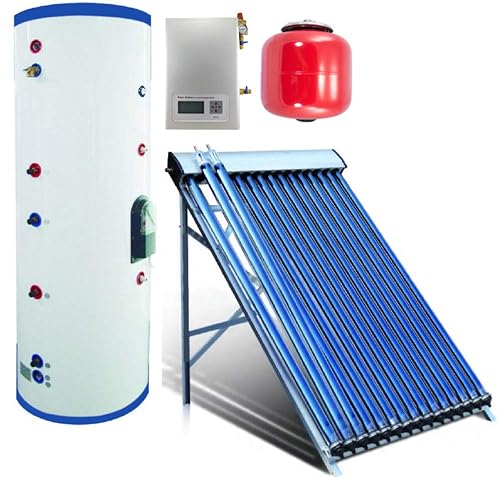
Before comparing any rheem solar hot water system price, make sure you know what is being quoted. A complete active system typically has four main parts, and a quote that leaves one out is not a like-for-like comparison.
- Collectors: The panels on the roof or ground that capture sunlight and heat a fluid. Flat-plate and evacuated-tube designs are the common types. See Solar Water Heater Collectors: Batch, Flat Plate and Evacuated Tube for how they differ.
- Storage tank: Holds the heated water. Sizing and tank type matter for both performance and safety, covered in Solar Hot Water Storage Tanks: Sizing, Types and Safety Parts.
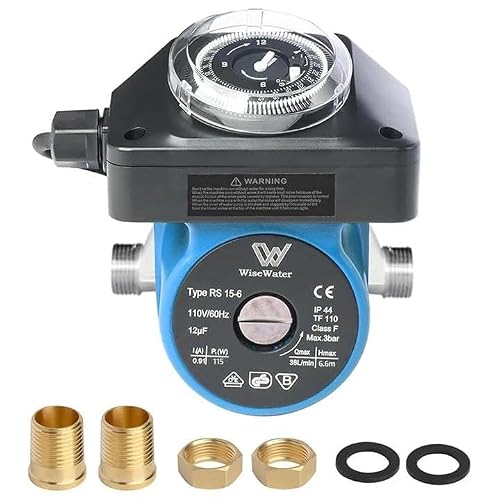
- Controls and pump: A differential controller compares collector and tank temperatures and runs the pump only when collectors are hotter than the water in storage. Details are in Solar Water Heater Controls and Sensors: How Differential Control Works.
- Piping, valves and insulation: Includes the loop between collectors and tank, expansion control, pressure relief and mixing valves.
If a quote lists only “solar kit” with no tank, pump, controller or installation labor, you are looking at a partial price. Ask for an itemized breakdown.
Step 2: Identify the Cost Factors Behind the Quote
Most of the variation in any rheem solar hot water system price comes from a handful of decisions. Knowing which ones move the number lets you ask better questions.
Collector type and count
Evacuated-tube collectors generally perform better in cold or cloudy conditions than flat-plate units, but they usually carry a higher equipment cost per square foot. Flat-plate systems are often specified for milder climates where cold-weather efficiency matters less. The number of collectors scales directly with the household hot water load.
Tank capacity and configuration
Storage volume is one of the biggest drivers. A larger tank costs more and takes up more space, but an undersized tank causes the system to run out of hot water on heavy-use days. Some quotes use a separate solar storage tank plus a conventional backup heater, while others use an integrated solar-ready tank. The configuration changes both the equipment list and the labor.
Backup heater
Solar systems almost always include a backup, whether a gas or electric heater or an electric element in the tank. Quotes that omit the backup should be questioned, because you need a reliable way to heat water on cloudy stretches.
Installation complexity
Roof-mounted collectors require structural assessment, flashing, and secure mounting. Ground-mounted arrays need a cleared site and a longer pipe run. A tank in a finished basement is different from a tank in an attic with a difficult stair route. Labor often accounts for a large share of the total.
Permits and inspection
Most jurisdictions require permits for solar thermal installations and plumbing or electrical tie-ins. Permit fees and inspection scheduling should appear in the quote or be clearly excluded. For code context, read Solar Water Heater Codes, Permits and Professional Review.
Step 3: Size the System Before You Compare Quotes
Sizing is the step most often skipped, and it determines whether the price you are paying matches your actual needs. Start with your household hot water use, then select collector area and tank volume to match.
- Estimate daily hot water use in gallons. A common planning figure for many households is 15 to 25 gallons per person per day, but your own habits may differ. Follow the method in How to Estimate Your Household Hot Water Needs Before Going Solar.
- Note your site conditions: roof orientation, shading, and winter sun angle. These are covered in Site Assessment for a Solar Water Heater: Sun, Shade, Roof and Space.
- Ask the installer to show the calculated solar fraction, meaning the share of annual hot water the system is expected to supply. Solar fraction is more useful than a single collector count.
- Compare quotes on the same assumed daily load and climate data. Two quotes built on different assumptions are not comparable.
Sizing table
| Household size | Typical daily use (approx.) | Common tank planning range | Points to confirm with installer |
|---|---|---|---|
| 1–2 people | Roughly 30–50 gallons | Smaller storage tank | Whether backup heater is integrated |
| 3–4 people | Roughly 60–100 gallons | Mid-size storage tank | Collector area for winter months |
| 5+ people or high use | 100 gallons or more | Larger storage tank, possibly multiple tanks | Space, weight and piping run length |
These ranges are planning starting points only. Your installer should run a sizing calculation with your actual data.
Step 4: Compare Quotes Using a Checklist
Once you have two or three quotes, use the same checklist on each. This keeps you from being swayed by a low headline figure that leaves out essential parts.
- Collector make, model and count, with aperture area stated
- Storage tank volume, material and warranty terms
- Backup heater type and capacity
- Differential controller and temperature sensors included
- Pump, expansion tank and pressure relief valve listed
- Mixing or tempering valve for scald protection (see Preventing Scalding From Solar Hot Water: Tempering Valves and Settings)
- Freeze protection method for your climate (see Winterizing a DIY Solar Water Heater: Freeze Protection Options)
- Permit fees, inspection and who pulls the permit
- Roof work, structural assessment and flashing warranty
- Removal of any existing water heater, if applicable
- Written warranty on collectors, tank and labor, with stated terms
Step 5: Plan for Operation and Maintenance
The purchase is only part of the ownership picture. Ask about the glycol or heat-transfer fluid service interval, anode rod inspection, and whether the installer offers a maintenance plan. Water quality can affect scaling and collector performance over time, which is discussed in Water Quality and Scaling in Solar Water Heaters. Temperature complaints are often a control or sensor issue rather than a collector failure, so review Solar Water Heater Temperature Problems: Too Cold or Too Hot if you notice performance drift.
Common Mistakes When Budgeting for a Solar Hot Water System
- Comparing headline numbers without scope. A lower figure may omit the tank, controller, or permit work.
- Skipping the sizing conversation. An oversized system wastes capital; an undersized one leaves you short of hot water.
- Ignoring roof and structural conditions. Old roofs may need repair before mounting collectors, which adds scope.
- Forgetting the backup heater. Solar alone cannot be relied on every day of the year in most climates.
- Overlooking incentives or local rules. Program availability changes, so verify current options with your state energy office or utility rather than relying on older articles.
- Assuming the lowest installer is the best value. Check licensing, insurance, references and warranty support.
Tips for Getting Accurate Quotes
- Request at least three written quotes on identical assumptions.
- Give each installer the same household use estimate and photos of your roof and mechanical room.
- Ask for the expected solar fraction and the basis for it.
- Confirm who handles permits, inspections and any utility paperwork.
- Read warranty language closely, especially on collector seals and tank liners.
Recommended gear
These items help you check conditions and verify a system once it is installed. They do not replace a professional quote.
- Infrared thermometer: Lets you spot-check pipe and tank surface temperatures during commissioning and troubleshooting. View on Amazon
- Digital pressure gauge for water systems: Useful for confirming static pressure before and after installation. View on Amazon
- Smartphone solar position or sun path app: Helps you check roof shading across seasons before committing to a location. View on Amazon
FAQ
Is there a single fixed rheem solar hot water system price?
No. The total depends on collector type and count, tank size, backup heater, installation complexity, permits and local labor rates. Quotes should always be compared on the same scope and sizing assumptions.
Does the price include the backup water heater?
It depends on the quote. Some packages include a backup, others assume you already have one. Confirm the backup type, capacity and whether installation is included.
How do I know if the tank is the right size?
Estimate your daily hot water use, then ask the installer to show how the tank volume was chosen based on that figure and your climate. A tank sized without a load calculation should prompt questions.
Do I need a permit for a solar water heater?
In most areas, yes, particularly when roof mounting or tying into plumbing and electrical systems. Check with your local building department and confirm who is responsible for the permit.
Can I install a Rheem solar system myself?
Some homeowners do their own work, but many jurisdictions require licensed plumbers or electricians for certain connections, and roof work carries fall and structural risk. Consult a licensed professional for anything involving gas, electrical service, or structural changes.
Why do solar water heaters perform worse in winter?
Lower sun angle, shorter days and colder ambient air reduce collector output, so the backup heater supplies more of the load. Solar fraction calculations should account for this seasonal swing.
Are maintenance costs part of the decision?
They should be. Ask about fluid service, anode inspection, sensor checks and whether the installer offers a service agreement. Ongoing care affects long-term reliability.
How long should a solar hot water system last?
Lifespan varies with collector design, water quality, maintenance and climate. Review manufacturer warranty terms and ask the installer for realistic service-life expectations rather than relying on a single number.
Conclusion
The rheem solar hot water system price you are quoted reflects collector choice, tank sizing, backup heating, installation complexity and permitting. Start by understanding what a complete system includes, then size it to your actual hot water use. Compare quotes on identical assumptions using a checklist, and plan for maintenance from the outset. For structural, gas or electrical work, consult a licensed professional before committing.
Ready to choose one?

About Emmett Caldwell
Emmett covers solar water heaters, comparing specs, features and long-term owner feedback to help readers choose with confidence.