By Emmett Caldwell
A solar panel hot water system price depends on a handful of decisions: the type of collector, the size of the storage tank, how the system circulates water, and whether you install it yourself or hire a contractor. This guide walks through each cost driver, shows you how to estimate what your household actually needs, and gives you a checklist so you can compare quotes or build plans on equal footing. Because the numbers vary widely by region, equipment and labor rates, the focus here is on the factors that move the total up or down rather than on specific figures.
Start With Your Hot Water Demand
Before you can judge any solar panel hot water system price, you need to know how much hot water you use. Oversizing is one of the most common ways people inflate their budget. A system sized for a family of six will cost far more than one built for a couple, and a larger tank and extra collector area may sit partly unused.
A practical approach is to count daily hot water use in gallons, then add a margin. Typical planning figures published by appliance and energy agencies put showers at roughly 2 to 2.5 gallons per minute on standard fixtures, a full bathtub at 30 to 40 gallons, and a dishwasher or washing machine cycle in the range of 5 to 15 gallons of hot water depending on the model. Multiply these by how often each one runs.
For a more detailed walkthrough, see How to Estimate Your Household Hot Water Needs Before Going Solar. Once you have a daily gallon figure, you can size the tank and collector area, which in turn sets most of the equipment cost.
Break Down the Main Cost Components
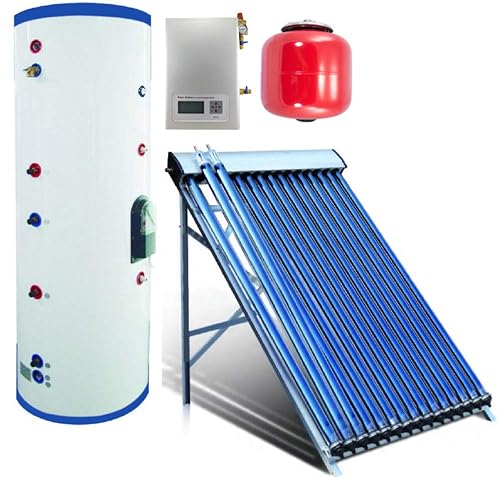
A solar water heating system has several parts, and each contributes to the final solar panel hot water system price. Understanding them makes quotes easier to compare.
- Collectors. This is usually the largest single line item. Flat plate collectors, evacuated tube collectors and batch (integrated collector storage) units each have different costs per square foot and different performance in cold weather. Evacuated tubes tend to carry a higher price but handle low temperatures better. For a comparison, read Solar Water Heater Collectors: Batch, Flat Plate and Evacuated Tube.
- Storage tank. Tanks are sized in gallons and often need to be insulated and rated for the pressure and temperature they will see. Options and sizing are covered in Solar Hot Water Storage Tanks: Sizing, Types and Safety Parts.
- Piping, insulation and fittings. Copper, PEX and specialty high-temperature tubing all have different material costs. Insulation thickness affects heat loss and therefore how much collector area you need. More detail is in Piping for Solar Water Heaters: Materials, Insulation and Layout.
- Controls and sensors. A differential controller, temperature sensors and a circulation pump (or a thermosiphon design with no pump) change the electrical and component costs. See Solar Water Heater Controls and Sensors: How Differential Control Works.
- Safety and mixing components. Pressure relief valves, expansion tanks and thermostatic mixing valves are not optional in most jurisdictions. They add modest cost but prevent serious hazards.
- Mounting hardware and roof work. Racks, flashing and structural reinforcement can add significant labor. Check Roof and Structural Safety for Solar Water Heaters before assuming your roof can take the load.
- Permits and inspection. Fees and required professional review vary by locality. Review Solar Water Heater Codes, Permits and Professional Review early so these don’t surprise you.
Compare Common System Types
The system type you choose affects both the upfront solar panel hot water system price and the long-term maintenance load. The table below summarizes general tendencies rather than specific product claims.
| System type | Typical strengths | Typical cost drivers | Best fit |
|---|---|---|---|
| Batch (integrated collector storage) | Simple, few parts, low maintenance | Tank and glazing; limited winter performance | Mild climates, DIY builders |
| Thermosiphon | No circulation pump needed | Tank must sit above collector; longer piping | Off-grid or power-outage-tolerant setups |
| Active flat plate | Good all-round performance | Pump, controller, sensors, collector area | Most single-family homes |
| Evacuated tube | Strong performance in cold weather | Higher collector cost per unit area | Cold climates, higher demand |
If you are looking at ready-made options, 8 Best Solar Hot Water System Off Grid Picks for Homes (2026) compares complete packages, and 9 Best DIY Solar Hot Water Heater Kits Compareds (2026) covers kits for owners who want to assemble their own.
Plan a Budget Step by Step
Use this sequence to build a realistic estimate before requesting quotes or buying parts.
- Calculate daily hot water use in gallons, including peak-day needs.
- Check your site. Measure roof or ground space, note shading from trees and neighboring buildings, and confirm roof orientation. Site factors are explained in Site Assessment for a Solar Water Heater: Sun, Shade, Roof and Space.
- Choose a system type based on climate and whether you want a pump.
- Size the collector and tank using your demand figure and local solar resource data.
- List every component from the cost breakdown above, including fittings you will need.
- Add permits, inspection and contingency. A 10 to 15 percent contingency is a common planning margin for first-time builds.
- Decide labor versus DIY. Installation labor can represent a large share of the total. Be honest about your skills, and remember that plumbing and electrical work may legally require a licensed professional in your area.
- Get at least three quotes if hiring out, and ask each installer to itemize equipment, labor, permits and warranty terms.
Factors That Raise or Lower the Total
- Climate. Cold or cloudy regions need more collector area or evacuated tubes, which increases cost. Mild, sunny regions can often get by with less.
- Water quality. Hard water scales pipes and heat exchangers, which can add maintenance costs. Filtration or softening may be worth budgeting. See Water Quality and Scaling in Solar Water Heaters.
- Freeze protection. Freeze-prone areas need drainback, glycol or other protection, which adds components. Details are in Winterizing a DIY Solar Water Heater: Freeze Protection Options.
- Backup heating. Every solar system needs a backup for cloudy days. Whether that is an existing gas or electric heater or a new unit affects total spend.
- Roof access and condition. A roof that needs repair before mounting adds cost you should plan for.
- Incentives and rebates. Local or utility programs may offset part of the cost. Check current availability directly with your utility or state energy office, since programs change often.
Common Mistakes
- Oversizing the system. Extra collector area that rarely gets used adds cost without meaningful savings.
- Skipping safety components. Omitting a temperature-and-pressure relief valve or a tempering valve can create scalding or overpressure hazards. Review Preventing Scalding From Solar Hot Water: Tempering Valves and Settings and Pressure and Temperature Safety in Solar Water Heaters.
- Using undersized piping. Small lines restrict flow and raise pump energy use.
- Ignoring temperature control. Without proper controls, tanks can overheat or fail to reach useful temperatures. Troubleshooting is covered in Solar Water Heater Temperature Problems: Too Cold or Too Hot.
- Comparing quotes that don’t match. One bid may include permits, controls and warranty while another does not. Line-item comparison prevents surprises.
- Forgetting maintenance. Antifreeze fluid, pump service and sensor checks add ongoing costs.
Tips for Getting a Better Value
- Size for your real needs, not for the largest possible family you can imagine.
- Ask installers to explain their collector choice in terms of your climate.
- Consider a thermosiphon design if you want to avoid pump maintenance and electricity use.
- For a hands-on starting point, Diy Solar Hot Water Heater: A Step-by-Step Build Guide for Beginners shows the build sequence, and Planning Materials and Cost Factors for a DIY Solar Water Heater helps you list parts.
- Pool owners sometimes use a simpler setup; see Pool Solar Water Heater Diy: Build a Pool Solar Heater in 8 Steps.
Recommended gear
These tools help you measure, plan and verify a solar hot water install.
- Digital clamp meter to check pump and controller current draw during testing. View on Amazon
- Pipe thread sealant and PTFE tape for leak-free connections on threaded fittings. View on Amazon
- Infrared thermometer to check temperatures at collector outlets and tank connections. View on Amazon
FAQ
Does a solar panel hot water system price include installation?
Not always. Some quotes cover equipment only, while others include labor, permits and inspection. Ask each supplier to state exactly what is included before comparing.
Is a DIY system always cheaper?
Usually the equipment outlay is lower, but DIY projects carry risks in plumbing, roof work and electrical wiring. Mistakes can be costly to fix, and some work may require a licensed professional by law.
Which factor affects price most?
Collector type and total collector area tend to drive the largest share of cost, followed by tank size and installation labor. Climate often determines how much area you need.
Do I still need a backup water heater?
Yes, in most cases. Solar systems cannot guarantee hot water on every cloudy or cold day, so a backup heater is standard practice.
Can a solar hot water system lower my utility bills?
It can reduce water heating energy use, with results depending on your climate, household demand and backup fuel. Consult your utility or a qualified energy auditor for an estimate specific to your home.
How long does a solar water heater last?
Lifespan depends on materials, water quality and maintenance. Well-maintained systems commonly run for many years, but components like pumps and controllers may need earlier replacement.
Do I need a permit?
Many jurisdictions require permits for plumbing, roof mounting or electrical work. Check with your local building department before starting.
Should I talk to a professional before buying?
Yes. A licensed plumber, solar installer or energy auditor can review your site, codes and budget. This is especially important for roof loads, pressure ratings and freeze protection.
Conclusion
The solar panel hot water system price you pay depends mainly on your daily hot water demand, collector type, tank size, controls and whether labor is hired out. Start by sizing the system to your household, then itemize every component and add permits and contingency. Compare quotes line by line, and consult a licensed professional for roof, plumbing and electrical decisions.
Ready to choose one?

About Emmett Caldwell
Emmett covers solar water heaters, comparing specs, features and long-term owner feedback to help readers choose with confidence.