By Audrey Hayes
Updated November 2026
Choosing a solar thermal hot water heating system comes down to matching collector type, tank size, and controls to your roof, climate, and how much hot water your household actually uses. This guide compares six products that cover the main parts of a working system: a complete evacuated tube tank, a controller, a reference book, a closed-loop package, a solar pool heater kit that can be adapted for low-temperature use, and a circulation pump. Each pick was selected by reviewing manufacturer specifications, brand reputation, and patterns in owner feedback, with a focus on certification, component compatibility, and how well each part fits a typical residential setup.
Our top picks at a glance
- 1
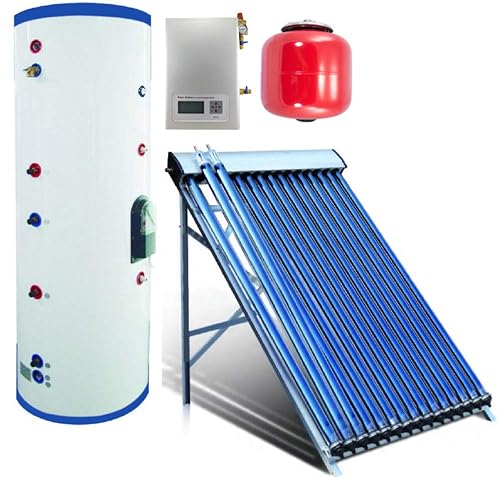 TOP CHOICEBest overall200 Liter Water Heater Active Split System Single Coil Tank 45 Deg FraView on Amazon
- 2
 TOP CHOICEBest for pressurized split systemsMISOL 110V Controller of Solar Water HeaterView on Amazon
- 3
 TOP CHOICEBest for learning the designSolar Water Heating–Revised & Expanded Edition: A Comprehensive GuideView on Amazon
- 4
 Best for closed-loop installsSolar Water Heating System Skyline5 Closed LoopView on Amazon
- 5
 Best budget pick for a low-temperature loopIndustrial Grade Solar Pool Heater DIY Kit – Superior High-Wind StraplView on Amazon
- 6
 Best for circulationTOPWAY 3/4" NPT 110V Hot Water 3-Speed Circulation Recirculating PumpView on Amazon
Our Top Picks
Quick Comparison
| Product | Best for | Key feature |
|---|---|---|
| 200 Liter Water Heater Active Split System Evacuated Tube Tank | Complete residential hot water systems | Evacuated vacuum tubes with SRCC certification |
| MISOL 110V Controller of Solar Water Heater | Pressurized split systems | 110V controller for pressurized solar loops |
| Solar Water Heating–Revised & Expanded Edition | Planning and self-education | Comprehensive design and sizing reference |
| Solar Water Heating System Skyline5 Closed Loop | Closed-loop installations | Closed-loop design for freeze protection |
| Industrial Grade Solar Pool Heater DIY Kit | Low-cost DIY collector builds | High-wind strapless mounting and freeze resistance |
| TOPWAY 3/4″ NPT Circulation Pump | Moving water through the loop | 3-speed 110V recirculating pump |
200 Liter Water Heater Active Split System Single Coil Tank 45 Deg Frame Evacuated Vacuum Tubes Hot SRCC Certified
200 Liter Water Heater Active Split System Single Coil Tank 45 Deg Frame Evacuated Vacuum Tubes Hot SRCC Certified
Best for: Complete residential hot water systems
This is a full active split system with a 200-liter tank, a single coil heat exchanger, evacuated vacuum tubes, and a 45-degree frame. It suits a household that wants a pre-matched collector and tank package rather than sourcing parts separately. It fits best where there is a south- or west-facing roof area with enough clearance for the frame.
Key specs
- Tank capacity: 200 liters
- Collector type: evacuated vacuum tubes
- Frame angle: 45 degrees
- Heat exchanger: single coil
- Certification: SRCC (per listing)
Pros
- Matched tank and collector reduce compatibility guesswork
- Evacuated tubes perform better in cold or cloudy conditions than flat plates
- SRCC certification gives a recognized performance reference
Cons
- Requires a suitable roof or ground mount and plumbing work
- Tubes are fragile and can be damaged by hail or careless handling
Bottom line: A strong choice for homeowners who want an all-in-one active split system and have a suitable mounting location.
MISOL 110V Controller of Solar Water Heater
MISOL 110V Controller of Solar Water Heater, Used for Separated pressurized Solar hot Water System
Best for: Pressurized split systems
This 110V controller manages pump and electric backup operation in a pressurized solar water heating loop. It suits installers and DIY builders who already have a compatible tank and collector and need reliable differential control.
Key specs
- Voltage: 110V
- Application: pressurized separated solar hot water systems
Pros
- Designed specifically for pressurized split loops
- Simple 110V connection for North American homes
- Works as a standalone control component
Cons
- Requires correct sensor placement and wiring knowledge
- Compatibility must be confirmed against your specific tank and pump
Bottom line: Best for builders who need a dedicated controller for a pressurized split system and are comfortable with electrical hookup.
Solar Water Heating–Revised & Expanded Edition: A Comprehensive Guide to Solar Water and Space Heating Systems
Solar Water Heating–Revised & Expanded Edition: A Comprehensive Guide to Solar Water and Space Heating Systems (Mother Earth News Wiser Living Series)
Best for: Planning and self-education
This book is part of the Mother Earth News Wiser Living Series and covers collector types, storage, piping, and sizing for solar water and space heating. It suits readers who want to understand the design logic before buying components or hiring an installer.
Key specs
- Format: book (revised and expanded edition)
- Scope: solar water and space heating systems
Pros
- Explains design trade-offs across collector and system types
- Useful for sizing and planning before purchasing hardware
- Written for practical builders and homeowners
Cons
- Information may lag behind newer equipment and code changes
- Does not replace local permitting or code requirements
Bottom line: A good reference for anyone planning a system from scratch who wants to understand the components first.
Solar Water Heating System Skyline5 Closed Loop
Solar Water Heating System Skyline5 Closed Loop
Best for: Closed-loop installations
A closed-loop system circulates a heat transfer fluid, typically a glycol mix, through the collector and a heat exchanger in the tank. This design is commonly chosen in climates where freezing is a concern. It suits homeowners in cold regions who want freeze protection built into the loop.
Key specs
- System type: closed loop
- Loop fluid: heat transfer fluid circuit (per design)
Pros
- Closed-loop design protects against freezing in cold climates
- Keeps potable water separate from the collector fluid
- Well suited to colder regions with hard water
Cons
- Glycol fluid requires periodic checks and replacement
- Heat exchanger adds some efficiency loss compared to direct systems
Bottom line: A sensible pick for cold-climate installs where freeze protection outweighs the small efficiency penalty of a heat exchanger.
Industrial Grade Solar Pool Heater DIY Kit – Superior High-Wind Strapless Mounting System & Maximum Freeze Resistance (4-4’x12.5′ / 200 Square Feet)
Industrial Grade Solar Pool Heater DIY Kit – Superior High-Wind Strapless Mounting System & Maximum Freeze Resistance (4-4'x12.5' / 200 Square Feet)
Best for: Low-cost DIY collector builds
This is a solar pool heater kit rather than a potable hot water system, so it is best treated as a low-temperature collector component for a DIY loop, not a finished domestic water heater. Anyone using it for potable water should add an appropriate heat exchanger and follow local plumbing codes.
Key specs
- Coverage: 200 square feet (4 panels, 4 x 12.5 ft)
- Mounting: strapless, high-wind design (per listing)
Pros
- Large collector area for the price tier
- Freeze-resistant design suited to seasonal climates
- Strapless mounting system simplifies installation
Cons
- Designed for pool heating, not potable water without modification
- Requires a suitable open area and significant plumbing work
Bottom line: A useful starting collector for experienced DIYers, but it needs engineering around it before it can safely serve domestic hot water.
TOPWAY 3/4″ NPT 110V Hot Water 3-Speed Circulation Recirculating Pump Circulator Pump for Water Heater System
TOPWAY 3/4" NPT 110V Hot Water 3-Speed Circulation Recirculating Pump Circulator Pump for Water Heater System
Best for: Circulation
A 3-speed recirculating pump moves water through the collector loop or a hot water recirculation line. It suits any system where the pump is not already included and needs to be sized to the loop’s flow and head requirements.
Key specs
- Connection: 3/4″ NPT
- Voltage: 110V
- Speeds: 3
Pros
- Three speeds allow flow tuning to the loop
- Standard 3/4″ NPT fitting matches common plumbing
- 110V operation suits North American outlets
Cons
- Must be sized correctly for the loop’s head and flow
- Requires a protected electrical connection and proper installation
Bottom line: A practical circulation component for builders who need adjustable flow in a solar loop or recirculation line.
Buying Guide
Collector Type
Evacuated tube collectors use vacuum-sealed glass tubes to reduce heat loss, which helps in cold or cloudy weather. Flat plate collectors are typically less expensive per square foot and handle hail and cleaning more simply. Choose based on your climate and roof conditions.
Good picks for this: 200 Liter Water Heater Active Split System; Industrial Grade Solar Pool Heater DIY Kit
System Type: Direct, Indirect, or Closed Loop
Direct systems circulate potable water through the collector and are only suitable where freezing is rare. Indirect and closed-loop systems use a heat transfer fluid and heat exchanger, which protects the potable supply and handles freezing better. Confirm your local code’s requirements for potable water separation before choosing.
Good picks for this: Solar Water Heating System Skyline5 Closed Loop; MISOL 110V Controller of Solar Water Heater
Tank Size and Household Demand
A common rule of thumb in the literature is to size storage to a day’s demand, with more capacity for larger households. Check your daily hot water use in gallons or liters and compare it to the tank’s usable capacity. Undersizing leads to running out of hot water on cloudy days.
Good picks for this: 200 Liter Water Heater Active Split System; Solar Water Heating–Revised & Expanded Edition
Controls and Electrical Compatibility
A differential controller reads collector and tank temperatures and switches the pump on when the collector is hotter. Verify voltage, sensor types, and whether the controller handles backup heating. Mismatched controls are a common source of failed installs.
Good picks for this: MISOL 110V Controller of Solar Water Heater; TOPWAY 3/4″ NPT 110V Circulation Pump
Pump Sizing and Flow
Pump flow and head must match the loop’s pipe diameter, length, and elevation change. Multi-speed pumps let you fine-tune flow to the collector’s needs. Oversized pumps waste power and can reduce heat transfer in the loop.
Good picks for this: TOPWAY 3/4″ NPT 110V Circulation Pump
Mounting, Wind, and Roof Fit
Collectors must be mounted at an angle that suits your latitude and sun exposure, and must withstand local wind loads. Check roof load capacity and mounting hardware ratings before purchase. Strapless or high-wind mounting designs can simplify installation on exposed sites.
Good picks for this: Industrial Grade Solar Pool Heater DIY Kit; 200 Liter Water Heater Active Split System
Freeze Protection and Maintenance
In freezing climates, closed-loop fluids and drain-back designs protect the collector. Glycol fluids need periodic testing and replacement. Plan access for maintenance, including checking pressure, fluid condition, and sensor function each season.
Good picks for this: Solar Water Heating System Skyline5 Closed Loop; Solar Water Heating–Revised & Expanded Edition
FAQ
What is a solar thermal hot water heating system?
It is a system that uses solar collectors to capture heat and transfer it to water stored in a tank. A pump or natural convection moves the fluid, and a controller decides when the pump runs. Many systems include a backup heater for cloudy periods.
Do solar thermal systems work in cold climates?
They can, but freeze protection is essential. Closed-loop designs with antifreeze fluid or drain-back systems are commonly used. Evacuated tube collectors also tend to hold heat better in low temperatures.
Is a closed-loop system better than a direct system?
Not always. Closed-loop systems protect against freezing and separate potable water from the collector fluid, but the heat exchanger reduces efficiency somewhat. Direct systems are simpler and suit mild climates.
How many collectors do I need?
It depends on daily hot water use, local solar resource, and collector efficiency. Manufacturers and reference guides provide sizing tables. A licensed installer or energy professional can run a load calculation for your home.
Do I need a backup heater?
Most residential systems include backup heating, either electric or gas, for cloudy days and peak demand. Without backup, hot water availability will depend entirely on sun exposure.
Can I install a solar thermal system myself?
Some homeowners do complete DIY installs, but electrical work, roof penetrations, plumbing, and local permits often require a licensed professional. Check local code requirements before starting, and consult a qualified installer for anything involving potable water or electrical connections.
Conclusion
For a complete residential system, the evacuated tube active split package is the most direct starting point. Builders who already have a tank and collector will need a compatible pressurized controller and a correctly sized circulation pump. Homeowners in freezing climates should prioritize a closed-loop design, while those still planning should read a comprehensive reference before buying hardware. The solar pool heater kit is a collector option for experienced DIYers who are prepared to engineer the potable side themselves.
Sources
- Federal guidance on solar water heating types, components, and how systems are designed for residential use (energy.gov)
- Research and performance data on solar thermal collectors and system design from the National Renewable Energy Laboratory (nrel.gov)
- Standards and technical resources on building energy systems and hot water design practice (ashrae.org)
Related reading
- Solar Hot Water Heating System Cost: A Step-by-Step Guide to Budgeting (2026)
- What Is the Cheapest Solar Hot Water System? Options and Trade-Offs
- Sunbird Solar Hot Water System Prices: What You'll Pay and Why It Varies
- Split Solar Hot Water System Price: What You'll Pay and What Drives It
About Audrey Hayes
Audrey Hayes is part of our editorial team and reviews and edits our solar water heaters guides, checking product details against manufacturer specifications and owner feedback.