 By Audrey Hayes
Updated November 2026
Homeowners and DIY builders who want one roof to produce both electricity and hot water often search for a hybrid solar electric solar thermal system, sometimes called a PVT (photovoltaic-thermal) setup. The need is usually practical: learn how these systems are designed, decide whether to build or buy, and find reliable references or equipment that match the job. The picks below were selected on published specifications, the reputation of authors and manufacturers, and recurring patterns in owner and reader feedback. We did not test any of them ourselves, so check each listing’s details before buying.
Our top picks at a glance
- 1
 TOP CHOICEBest overallSolar Thermal Systems and Applications: New Design Techniques for ImprView on Amazon
- 2
 TOP CHOICEBest for engineering design depthSolar Hybrid Systems: Design and ApplicationView on Amazon
- 3
 TOP CHOICEBest for experimental PVT dataPerformance Analysis of Solar Photovoltaic Thermal Hybrid Systems: A bView on Amazon
- 4
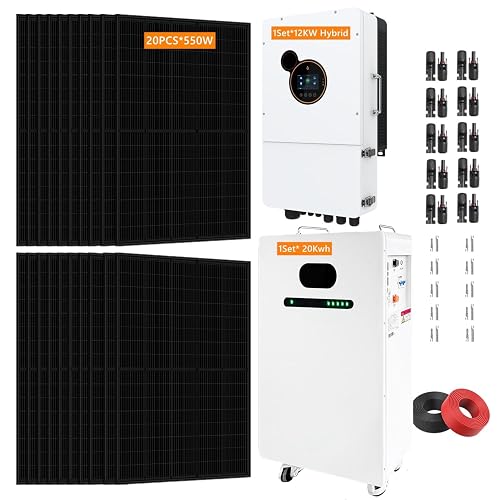 Best for a complete home power kit20KWH Hybrid Solar Power System Complete Kit 20PCS*550W Solar Panel (1View on Amazon
- 5
 Best for electrical engineersRenewable Energy Systems Textbook for Electrical Engineers: Solar, WinView on Amazon
Our Top Picks
Quick Comparison
| Product | Best for | Key feature |
|---|---|---|
| Solar Thermal Systems and Applications (Hybrid Energy Systems) | Readers wanting a balanced overview | Focus on improved thermal performance design |
| Solar Hybrid Systems: Design and Application | Students and designers | Covers hybrid system design methods |
| Performance Analysis of Solar Photovoltaic Thermal Hybrid Systems | Researchers and technical readers | Experimental analysis of PVT collectors |
| 20KWH Hybrid Solar Power System Complete Kit | Homeowners wanting an all-in-one electrical kit | Hybrid inverter with 20 kWh lithium storage |
| Renewable Energy Systems Textbook for Electrical Engineers | Electrical engineers and advanced students | Solar, wind and battery integration |
Solar Thermal Systems and Applications: New Design Techniques for Improved Thermal Performance (Hybrid Energy Systems)
Solar Thermal Systems and Applications: New Design Techniques for Improved Thermal Performance (Hybrid Energy Systems)
Best for: Readers who want a broad design reference covering thermal performance improvements.
This book suits anyone who needs to understand how collector design affects heat output, whether they are sizing a home system or studying for coursework. It is a good starting point before moving to more specialized titles.
Key specs
- Format: print book (hardcover or paperback as listed)
- Subject: solar thermal design techniques and applications
- Series: Hybrid Energy Systems
Pros
- Covers thermal performance, not only theory
- Fits the hybrid energy systems topic directly
- Useful reference for planning a system layout
Cons
- Less suited to readers who want step-by-step build instructions
- Calculations assume some engineering background
Bottom line: A strong first pick for anyone who wants a solid design foundation for solar thermal and hybrid systems.
Solar Hybrid Systems: Design and Application
Solar Hybrid Systems: Design and Application
Best for: Designers and students who need a structured look at hybrid system engineering.
Readers planning a combined electrical and thermal installation, or preparing for an engineering course, will find the design-focused approach useful. Owners and readers often describe it as a practical reference rather than a casual read.
Key specs
- Format: print or e-book, per listing
- Subject: design and application of solar hybrid systems
Pros
- Organized around design decisions
- Good for comparing system configurations
- Relevant to both electrical and thermal sides
Cons
- Not a hands-on installation manual
- Requires comfort with technical material
Bottom line: Choose this if your priority is understanding how to design a hybrid system before building or hiring out the work.
Performance Analysis of Solar Photovoltaic Thermal Hybrid Systems: A book to perform experimental analysis of Solar Photovoltaic-Thermal (PVT) Hybrid Collectors
Performance Analysis of Solar Photovoltaic Thermal Hybrid Systems: A book to perform experimental analysis of Solar Photovoltaic-Thermal (PVT) Hybrid Collectors
Best for: Readers who want experimental methods and performance data for PVT collectors.
This title is aimed at researchers, graduate students and technically minded builders who plan to measure or compare PVT collector output. It is narrower than the general design books above.
Key specs
- Format: print book, per listing
- Subject: experimental analysis of PVT hybrid collectors
Pros
- Focused on measurable performance
- Useful for designing your own test setup
- Addresses the photovoltaic and thermal sides together
Cons
- Narrow scope for general homeowners
- Limited value for installation planning alone
Bottom line: Best for those who need to evaluate or test PVT performance rather than just understand the concept.
20KWH Hybrid Solar Power System Complete Kit 20PCS*550W Solar Panel (11KW) + 1Sets*48V 12KW Hybrid Inverter Split Phase Inverter Built in MPPT+ 1Sets*51.2V 406Ah 20kwh LiFePO4 Home Lithium Battery
20KWH Hybrid Solar Power System Complete Kit 20PCS*550W Solar Panel (11KW) + 1Sets*48V 12KW Hybrid Inverter Split Phase Inverter Built in MPPT+ 1Sets*51.2V 406Ah 20kwh LiFePO4 Home Lithium Battery
Best for: Homeowners who want a complete electrical kit with battery storage.
This kit targets households planning a whole-home photovoltaic and battery setup. Note that it is an electrical power system, not a solar thermal water heater, so it complements rather than replaces a thermal collector.
Key specs
- Panels: 20 x 550W (11 kW array), per listing
- Inverter: 12 kW hybrid split-phase with built-in MPPT, per listing
- Battery: 51.2V, 406Ah LiFePO4 (about 20 kWh), per listing
Pros
- Everything listed in one kit
- Lithium iron phosphate battery chemistry
- Split-phase inverter suits typical US homes
Cons
- Installation requires a licensed electrician and permits
- Does not produce hot water on its own
Bottom line: A fit for homeowners who want a large electrical system and are prepared for professional installation.
Renewable Energy Systems Textbook for Electrical Engineers: Solar, Wind, Battery Storage and Hybrid Systems Design and Integration
Renewable Energy Systems Textbook for Electrical Engineers: Solar, Wind, Battery Storage and Hybrid Systems Design and Integration
Best for: Electrical engineers and advanced students studying integrated renewable systems.
This textbook covers how solar, wind and storage combine into a single design. It is most useful to readers who already understand basic circuits and power electronics.
Key specs
- Format: textbook, per listing
- Subject: solar, wind, battery storage and hybrid integration
Pros
- Covers integration across several energy sources
- Useful for electrical design and sizing
- Good companion to the thermal-focused titles
Cons
- Electrical focus, with limited solar thermal coverage
- Textbook depth may be more than a casual reader needs
Bottom line: Pick this if you are an engineer or student who needs the electrical side of a hybrid system explained in depth.
Buying Guide
Understand what “hybrid” means in your system
A hybrid solar electric solar thermal system, or PVT collector, captures sunlight to produce electricity while a fluid circulating behind the panel carries away heat. Some setups run the two functions separately, using a standard photovoltaic array plus a thermal collector. Confirm which type a product describes before buying.
Good picks for this: Solar Thermal Systems and Applications; Solar Hybrid Systems: Design and Application
Check the electrical specifications
Look at panel wattage, array size, inverter rating and battery capacity. A 12 kW inverter paired with a 20 kWh battery, as in a complete kit, sets very different limits than a small PVT demonstration unit. Match the numbers to your household load before comparing prices or brands.
Good picks for this: 20KWH Hybrid Solar Power System Complete Kit
Check the thermal specifications
For thermal output, review collector area, fluid type, flow rate and maximum operating temperature as the manufacturer specifies them. Pay attention to how the collector handles freezing and overheating, since these determine reliability in cold or sunny climates.
Good picks for this: Performance Analysis of Solar Photovoltaic Thermal Hybrid Systems; Solar Thermal Systems and Applications
Match the system to your site
Roof orientation, tilt, shading and available space determine whether a hybrid design works. Plan for a south-facing or near-south exposure in most of the US, and measure the usable area before choosing a collector size. Mismatched sizing is one of the most common design problems discussed in technical references.
Good picks for this: Solar Hybrid Systems: Design and Application; Renewable Energy Systems Textbook for Electrical Engineers
Consider your use case
Decide whether you need electricity, hot water, or both. A homeowner wanting domestic hot water may be better served by a dedicated thermal system, with a PV array added separately. Researchers and students need different references than installers do.
Good picks for this: Solar Thermal Systems and Applications; Performance Analysis of Solar Photovoltaic Thermal Hybrid Systems
Evaluate durability and materials
Ask about glazing, absorber materials, and warranty terms as the manufacturer states them. Lithium iron phosphate batteries, which appear in some kits, are generally noted for longer cycle life than some other chemistries, but verify the specific warranty for the product you choose.
Good picks for this: 20KWH Hybrid Solar Power System Complete Kit
Plan for care and maintenance
Hybrid systems need periodic checks of fluid levels, pumps, controllers and electrical connections. Build a maintenance schedule before installation so problems are caught early. Keeping panels clean and checking seals and fittings each season helps protect both output streams.
Good picks for this: Solar Hybrid Systems: Design and Application; Renewable Energy Systems Textbook for Electrical Engineers
FAQ
What is a hybrid solar electric solar thermal system?
It is a collector or array design that produces both electricity and useful heat. In a PVT collector, a photovoltaic cell generates power while a fluid behind it absorbs heat that would otherwise reduce efficiency.
Is a hybrid system better than separate solar panels and a thermal collector?
It depends on space and goals. A combined unit saves roof area, but separate systems are often easier to size, service and replace independently. Compare both approaches against your roof and energy needs.
Can I build a hybrid system myself?
Some DIYers build simple thermal collectors, but electrical work involving inverters, batteries and grid connection usually requires a licensed electrician and local permits. Consult a qualified professional before connecting any system to your home wiring.
Do I need a battery with a hybrid system?
Not always. Grid-tied systems can feed excess power to the utility, while off-grid or backup systems need storage. Your utility’s interconnection rules and your power goals determine the answer.
What maintenance does a hybrid system require?
Expect to check fluid levels, pumps, sensors and electrical connections regularly, and to keep the panel surface clean. Follow the manufacturer’s schedule and have a professional inspect the electrical components periodically.
Which book should I start with?
If you are new to the topic, Solar Thermal Systems and Applications offers a broad design base. Engineers and students may prefer the hybrid design or integration textbooks listed above.
Conclusion
The right choice depends on what you need. Readers looking for a foundational design reference should start with Solar Thermal Systems and Applications. Those focused on hybrid system design will get more from Solar Hybrid Systems: Design and Application, while researchers measuring PVT output will find the experimental analysis title more relevant. Homeowners seeking a complete electrical kit should review the 20 kWh system carefully and plan for professional installation, and engineers needing integrated renewable design knowledge will benefit most from the textbook. Confirm specifications directly with each listing before buying.
Sources
- Federal guidance on solar energy technologies, including photovoltaics and solar thermal basics (energy.gov)
- Research and performance data on photovoltaic and solar thermal systems from the National Renewable Energy Laboratory (nrel.gov)
- Standards and technical resources on solar heating and building energy systems (ashrae.org)
Before you buy: helpful guides
Related reading
- Hybrid Photovoltaic Thermal Solar Systems: 7 Best Books and Guides (2026)
- What Is a Solar Thermal System? How It Works and What You Need
About Audrey Hayes
Audrey Hayes is part of our editorial team and reviews and edits our solar water heaters guides, checking product details against manufacturer specifications and owner feedback.