 By Audrey Hayes
Updated November 2026
Readers searching for solar thermal and hybrid photovoltaic/thermal systems for renewable heating usually want one of two things: a clear grounding in how these systems convert sunlight into usable heat and electricity, or a reference deep enough to guide a design. The right book depends on which of those you need. The picks below were selected by looking at subject coverage, the reputation of the publishers and authors, and the kinds of feedback owners and readers commonly describe, focusing on whether a title leans toward fundamentals, engineering analysis, building integration or hands-on performance calculation. None of these were tested by us; the comparisons reflect publisher descriptions and reader feedback patterns.
Our top picks at a glance
- 1
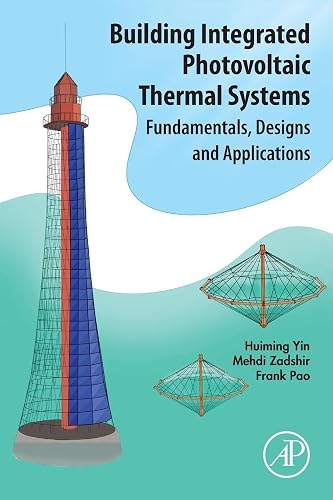 TOP CHOICEBest overallBuilding Integrated Photovoltaic Thermal Systems: Fundamentals, Designs and ApplicationsView on Amazon
- 2
 TOP CHOICEBest for efficiency researchInnovations in Solar Thermal Energy: Techniques to Enhance PhotovoltaiView on Amazon
- 3
 TOP CHOICEBest for broad solar engineeringSolar Engineering of Thermal Processes, Photovoltaics and WindView on Amazon
- 4
 Best for water collector analysisSolar Photovoltaic Thermal (PV/T) Hybrid Water CollectorView on Amazon
- 5
 Best for building heating systemsLiquid Solar Thermal Systems in BuildingsView on Amazon
Our Top Picks
Quick Comparison
| Product | Best for | Key feature |
|---|---|---|
| Building Integrated Photovoltaic Thermal Systems | Readers new to hybrid PV/T design | Covers fundamentals through applications |
| Innovations in Solar Thermal Energy | Students and researchers focused on efficiency | Techniques for improving PV/T output |
| Solar Engineering of Thermal Processes, Photovoltaics and Wind | Engineers wanting a wide renewable reference | Spans thermal, PV and wind engineering |
| Solar Photovoltaic Thermal (PV/T) Hybrid Water Collector | Designers working on water-heating collectors | Energy and exergy analysis of PV/T water collectors |
| Liquid Solar Thermal Systems in Buildings | Installers and building designers | Liquid-based solar heating in buildings |
Building Integrated Photovoltaic Thermal Systems: Fundamentals, Designs and Applications
Building Integrated Photovoltaic Thermal Systems: Fundamentals, Designs and Applications
Best for: A foundational reference that explains how hybrid systems work before getting into design choices.
This book suits readers who want to understand the physics of combined photovoltaic and thermal collection, especially those considering systems integrated into roofs or facades. It is a sensible starting point before moving to more specialized analysis.
Key specs
- Subject: building integrated photovoltaic thermal (BIPVT) systems
- Covers fundamentals, design approaches and applications
- Publisher: Academic Press (Elsevier)
Pros
- Clear entry point into how PV/T hybrids operate
- Focuses on building integration, which matters for real installations
- Organized from theory to application
Cons
- Less useful for readers wanting only a quick how-to guide
- Technical depth can feel heavy without a background in thermodynamics
Bottom line: The best first book for anyone who wants a solid conceptual base before designing or specifying a hybrid system.
Innovations in Solar Thermal Energy: Techniques to Enhance Photovoltaic-Thermal System Efficiency
Innovations in Solar Thermal Energy: Techniques to Enhance Photovoltaic-Thermal System Efficiency
Best for: Readers focused on squeezing more output from PV/T hybrid collectors.
Engineers, graduate students and researchers comparing performance-improvement methods will get the most from this title. It is less suited to general readers who only need an overview.
Key specs
- Subject: efficiency enhancement techniques for PV/T systems
- Focus on solar thermal energy innovations
Pros
- Concentrates on performance improvement rather than basics alone
- Useful for comparing design variants
- Reflects current research directions in the field
Cons
- Assumes prior familiarity with PV/T principles
- Narrower in scope than a general textbook
Bottom line: Pick this if you already understand hybrid collectors and want to study ways to raise their efficiency.
Solar Engineering of Thermal Processes, Photovoltaics and Wind
Solar Engineering of Thermal Processes, Photovoltaics and Wind
Best for: A broad engineering reference covering thermal and photovoltaic systems side by side.
This is a well-established text for students and practicing engineers who need thermal processes, PV and wind placed in a single framework. Readers interested only in hybrid collectors may find parts of it more general than they need.
Key specs
- Subject: solar thermal processes, photovoltaics and wind energy
- Textbook-style engineering reference
- Publisher: Wiley
Pros
- Covers thermal and PV engineering in one volume
- Strong foundation for system-level thinking
- Widely recognized in engineering education
Cons
- Hybrid PV/T coverage is only part of a broader scope
- Dense for casual readers
Bottom line: A good choice for engineers who want a comprehensive renewable energy reference rather than a hybrid-only study.
Solar Photovoltaic Thermal (PV/T) Hybrid Water Collector
Solar Photovoltaic Thermal (PV/T) Hybrid Water Collector: A Guide to Perform Energy and Exergy Analysis of Solar Photovoltaic Thermal (PV/T) Hybrid Water Collector
Best for: Designers analyzing the energy and exergy performance of PV/T water collectors.
This title is aimed at readers who need to run the numbers on a water-heating PV/T collector, including energy and exergy analysis. It is a specialized guide rather than a general overview.
Key specs
- Subject: PV/T hybrid water collectors
- Focus on energy and exergy analysis methods
Pros
- Directly addresses water-heating PV/T collectors
- Useful for performance calculation work
- Narrow focus makes it easy to find relevant material
Cons
- Narrow scope limits its use for broader system design
- Assumes comfort with thermodynamic analysis
Bottom line: The right pick for someone who wants to evaluate a water-heating PV/T collector quantitatively.
Liquid Solar Thermal Systems in Buildings
Liquid Solar Thermal Systems in Buildings
Best for: Installers and building designers working with liquid-based solar heating.
Readers who plan to integrate liquid solar thermal loops into buildings, whether for domestic hot water or space heating, will find this title directly relevant. It is less focused on the photovoltaic side of hybrid systems.
Key specs
- Subject: liquid solar thermal systems in buildings
- Building-focused heating applications
Pros
- Practical orientation toward building installations
- Relevant to heating loads, not just collector theory
- Complements PV/T-focused titles
Cons
- Limited coverage of photovoltaic output
- May be too specialized for general homeowners
Bottom line: Best suited to professionals who need to plan a liquid-based solar heating system within a building.
Buying Guide
Match the book to your background
Some titles assume engineering training, while others explain from first principles. Check the subject line and whether the book is framed as a textbook, research monograph or practical guide. Starting too advanced leads to frustration, and starting too basic wastes time.
Good picks for this: Building Integrated Photovoltaic Thermal Systems, Solar Engineering of Thermal Processes, Photovoltaics and Wind
Hybrid versus thermal-only focus
If your interest is combined electricity and heat from one collector, look for explicit PV/T coverage. Broader renewable texts treat hybrid systems as one topic among many, which can be useful but less detailed.
Good picks for this: Innovations in Solar Thermal Energy, Solar Photovoltaic Thermal (PV/T) Hybrid Water Collector
Water heating versus space heating
Domestic hot water and building space heating have different loads, storage needs and control strategies. Check whether the book addresses your end use, since a water-collector analysis and a building heating text can overlap less than their titles suggest.
Good picks for this: Solar Photovoltaic Thermal (PV/T) Hybrid Water Collector, Liquid Solar Thermal Systems in Buildings
Depth of quantitative analysis
Some readers need worked equations, energy and exergy balances, or performance modeling. Others only need conceptual understanding. Browse the table of contents to see whether the analysis chapters match what you plan to do.
Good picks for this: Innovations in Solar Thermal Energy, Solar Photovoltaic Thermal (PV/T) Hybrid Water Collector
Publication currency
Solar technology and modeling methods evolve. Check the publication year and edition. Foundational physics changes slowly, but efficiency techniques and component guidance may be outdated in older editions.
Good picks for this: Building Integrated Photovoltaic Thermal Systems, Innovations in Solar Thermal Energy
Building integration and codes
If your project involves roofs, facades or local building rules, favor titles that discuss integration. Local codes and permitting differ, so the book should be a reference, not the final authority on compliance.
Good picks for this: Building Integrated Photovoltaic Thermal Systems, Liquid Solar Thermal Systems in Buildings
FAQ
What is a photovoltaic thermal (PV/T) hybrid system?
A PV/T hybrid collector produces electricity from solar cells while also capturing the heat those cells would otherwise waste, usually by circulating a fluid or air behind the panel. Books on this topic explain how the electrical and thermal outputs interact.
Do I need an engineering background to use these books?
Not always. Some titles are accessible to motivated general readers, while others assume knowledge of heat transfer and thermodynamics. Check the table of contents and sample pages before buying.
What is the difference between solar thermal and PV/T?
Solar thermal systems collect heat only. PV/T systems add electricity generation to the same collector. Hybrid designs trade some electrical efficiency for combined output, which is why analysis of both is covered in the titles above.
Which book is best for water heating?
For water-heating collectors specifically, the PV/T hybrid water collector analysis title is the most direct match. For broader building heating context, the liquid solar thermal systems title is more relevant.
Are these books enough to design a system myself?
They provide strong background but are not complete design manuals. Designing and installing solar heating typically requires local code knowledge, sizing calculations and often professional input. Consult a licensed professional before installing any system that connects to your home plumbing or electrical service.
Should I buy a general renewable energy textbook instead?
A general text helps if you also need wind, storage or grid topics. If your focus is hybrid heating, a specialized title gives more relevant detail for the same reading time.
Are older editions still useful?
Core thermodynamic and heat transfer principles remain valid. Efficiency data, component specifications and standards may have changed, so verify any numbers against current manufacturer and standards documentation.
Conclusion
For a solid conceptual start on solar thermal and hybrid photovoltaic/thermal systems for renewable heating, Building Integrated Photovoltaic Thermal Systems is the most accessible foundation. Readers focused on improving collector performance should look at Innovations in Solar Thermal Energy. Engineers wanting a broad reference will find Solar Engineering of Thermal Processes, Photovoltaics and Wind useful, while the PV/T water collector analysis title suits quantitative design work and the liquid solar thermal book fits building-level planning. Match the title to your background and end use, and verify technical data against current standards before relying on it.
Sources
- Federal overview of solar heating technologies, system types and consumer considerations (energy.gov)
- Research on photovoltaic and solar thermal performance and modeling methods (nrel.gov)
- Standards and guidance on building heating systems and solar energy design (ashrae.org)
Before you buy: helpful guides
- Hybrid Solar Panel Photovoltaic Thermal: How It Works and Whether to Build One
- Solar Thermal Air Conditioning: How It Works and How to Build a System
- Solar Thermal Energy Collection: How It Works and How to Build a Working System
- Solar Thermal Systems Manufacturers: How to Evaluate and Choose One (2026)
Related reading
- Hybrid Photovoltaic Thermal Solar Systems: 7 Best Books and Guides (2026)
- Solar Thermal Pool Heating Systems: 5 Best Options Compared (2026)
- 7 Best Solar Thermal Heating System Options Compared (2026)
About Audrey Hayes
Audrey Hayes is part of our editorial team and reviews and edits our solar water heaters guides, checking product details against manufacturer specifications and owner feedback.