 By Audrey Hayes
Updated November 2026
Anyone looking into a solar thermal refrigeration system is usually trying to keep food or medicine cold without relying on grid power, and wants to know whether a heat-driven cooling setup is practical for their site. The picks below were selected by comparing published specifications, manufacturer and author reputation, and the patterns that show up in owner feedback and reader reviews. The selection criteria were: how well the book or kit matches a real design or build task, the depth of thermal and cooling-cycle coverage, the clarity of the engineering approach, and how useful the item is for a homeowner or hobbyist versus a specialist engineer. None of these items were physically tested by the author.
Our top picks at a glance
- 1
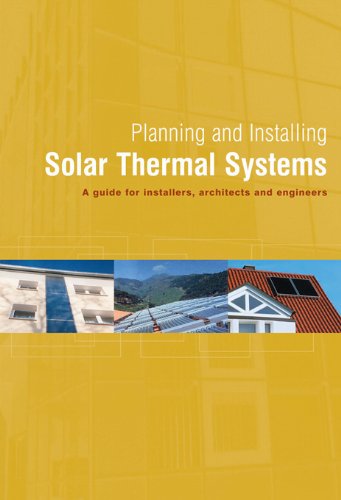 TOP CHOICEBest overallPlanning and Installing Solar Thermal Systems: A Guide for Installers,View on Amazon
- 2
 TOP CHOICEBest for hobbyistsMini Air Conditioner DC 12V DIY Thermoelectric Peltier Refrigeration CView on Amazon
- 3
 TOP CHOICEBest for refrigeration theoryREFRIGERATION ENGINEERING SYSTEMS: Cooling Technologies Thermal CyclesView on Amazon
- 4
 Best for thermal analysisSolar Thermal Systems: Thermal Analysis and its ApplicationView on Amazon
- 5
 Best for system designSolar-Thermal Energy Systems: Analysis and DesignView on Amazon
- 6
 Best for absorption cooling researchSolar-Powered Absorption Cooling and Supermarket Refrigeration SystemsView on Amazon
Our Top Picks
| Product | Best for | Key feature |
|---|---|---|
| Planning and Installing Solar Thermal Systems | Homeowners and installers planning a complete system | Practical installation and design guidance |
| Mini Air Conditioner DC 12V DIY Thermoelectric Peltier Refrigeration Cooling System Heat Sink Conduction Module Semiconductor Fridge Refrigeration Cooling System DIY Kit | Small DIY cooling experiments | Low-voltage thermoelectric module with heat sink |
| REFRIGERATION ENGINEERING SYSTEMS: Cooling Technologies Thermal Cycles and Energy Efficient Operation | Students and engineers studying cooling cycles | Coverage of thermal cycles and efficiency |
| Solar Thermal Systems: Thermal Analysis and its Application | Readers focused on heat transfer calculations | Thermal analysis methods |
| Solar-Thermal Energy Systems: Analysis and Design | Designers sizing collectors and loads | Design-oriented analysis |
| Solar-Powered Absorption Cooling and Supermarket Refrigeration Systems: Modeling & Simulation | Researchers and advanced designers | Modeling and simulation of absorption cooling |
Planning and Installing Solar Thermal Systems: A Guide for Installers, Architects and Engineers
Planning and Installing Solar Thermal Systems: A Guide for Installers, Architects and Engineers
Best for: Planning a complete solar thermal installation with practical design steps
This guide suits homeowners who want a structured path from site assessment to commissioning, and installers who need a reference for system layout. Its focus on planning and installation makes it a strong starting point before any cooling-specific design work.
Key specs:
- Subject: planning and installing solar thermal systems
- Audience: installers, architects and engineers
Pros:
- Practical, installation-oriented structure
- Useful for site planning and layout decisions
- Good reference for professional-grade work
Cons:
- Aimed more at heating than refrigeration cycles
- Assumes some technical background
Bottom line: The best overall choice for anyone planning a real installation, though you will need a separate source for absorption or refrigeration-cycle detail.
Mini Air Conditioner DC 12V DIY Thermoelectric Peltier Refrigeration Cooling System Heat Sink Conduction Module Semiconductor Fridge Refrigeration Cooling System DIY Kit
Mini Air Conditioner DC 12V DIY Thermoelectric Peltier Refrigeration Cooling System Heat Sink Conduction Module Semiconductor Fridge Refrigeration Cooling System DIY Kit
Best for: Small DIY cooling experiments and learning thermoelectric cooling
This kit suits hobbyists who want to build a compact cooler and understand how Peltier modules move heat. It is not a solar-thermal cycle, so treat it as an educational or small-scale cooling project rather than a full solar refrigerator.
Key specs:
- Voltage: 12V DC (as listed)
- Type: thermoelectric Peltier module with heat sink
Pros:
- Low-voltage and easy to power from a battery
- Good for learning the basics of heat pumping
- Compact footprint for small enclosures
Cons:
- Limited cooling capacity compared with a refrigerator
- Efficiency is low, and it needs a good heat sink to work well
Bottom line: Pick this if you want a hands-on electronics project, not a dependable food-storage solution.
REFRIGERATION ENGINEERING SYSTEMS: Cooling Technologies Thermal Cycles and Energy Efficient Operation
REFRIGERATION ENGINEERING SYSTEMS: Cooling Technologies Thermal Cycles and Energy Efficient Operation
Best for: Understanding refrigeration cycles and energy-efficient operation
This book fits students and engineers who need the thermodynamic foundation behind any cooling system, including heat-driven designs. Readers with little background in cycles will need to work through it carefully.
Key specs:
- Subject: cooling technologies and thermal cycles
- Focus: energy-efficient operation
Pros:
- Strong theoretical grounding in refrigeration cycles
- Covers efficiency considerations useful for any design
- Useful reference for comparing cooling technologies
Cons:
- Heavy on theory, lighter on build instructions
- Not specific to solar-driven designs
Bottom line: A good pick for readers who want to understand why a refrigeration cycle works before building or specifying one.
Solar Thermal Systems: Thermal Analysis and its Application
Solar Thermal Systems: Thermal Analysis and its Application
Best for: Heat transfer calculations and thermal analysis of solar collectors
This title suits readers who need to model how a solar collector captures and moves heat before it reaches any cooling cycle. It is analytical in nature and rewards readers comfortable with engineering math.
Key specs:
- Subject: thermal analysis of solar thermal systems
Pros:
- Focused treatment of heat transfer analysis
- Helpful for sizing collectors and heat loads
- Applicable to the heat-input side of a solar cooling design
Cons:
- Requires solid engineering math background
- Does not walk through a complete refrigeration build
Bottom line: Best for readers who will run their own thermal calculations and want analytical depth.
Solar-Thermal Energy Systems: Analysis and Design
Solar-Thermal Energy Systems: Analysis and Design
Best for: Sizing and designing solar-thermal energy systems
This book suits designers and students who need to move from concept to a sized system. Its design orientation makes it useful for planning the heat source that drives a cooling cycle.
Key specs:
- Subject: analysis and design of solar-thermal energy systems
Pros:
- Design-oriented, not just theory
- Useful for sizing collectors and storage
- Good companion to thermal analysis texts
Cons:
- Older material may not reflect newer components
- Not focused on refrigeration specifically
Bottom line: A sound design reference for anyone planning the solar side of a thermal system.
Solar-Powered Absorption Cooling and Supermarket Refrigeration Systems: Modeling & Simulation
Solar-Powered Absorption Cooling and Supermarket Refrigeration Systems: Modeling & Simulation
Best for: Modeling solar-powered absorption cooling and refrigeration
This title is aimed at researchers and advanced designers who want to simulate absorption-based cooling driven by solar heat. It is the closest match to the solar thermal refrigeration system topic but assumes specialist knowledge.
Key specs:
- Subject: solar-powered absorption cooling and refrigeration
- Focus: modeling and simulation
Pros:
- Directly addresses solar-driven cooling
- Covers simulation approaches useful for design checks
- Relevant to commercial-scale refrigeration questions
Cons:
- Advanced material with a steep learning curve
- Oriented toward modeling rather than hands-on builds
Bottom line: The most on-topic pick for specialists, but overkill for a first project.
Buying Guide
Match the Book or Kit to Your Goal
Decide whether you need to build something, design something, or understand the physics first. Installation guides suit builders, analytical texts suit designers, and cycle-focused books suit students. Mixing these up is the most common reason buyers end up with the wrong resource.
Good picks for this: Planning and Installing Solar Thermal Systems; Refrigeration Engineering Systems
Check Whether the Source Covers Absorption or Thermoelectric Cooling
Solar-driven refrigeration usually relies on absorption cycles, while small kits often use Peltier thermoelectric modules. These behave very differently in capacity and efficiency. Read the subject line closely before buying.
Good picks for this: Solar-Powered Absorption Cooling and Supermarket Refrigeration Systems; Mini Air Conditioner DC 12V DIY Kit
Assess Math Level and Prior Knowledge
Thermal analysis texts assume comfort with differential equations and heat-transfer correlations. If your background is mostly practical, start with a guide that explains concepts step by step before moving to dense analysis.
Good picks for this: Planning and Installing Solar Thermal Systems; Solar Thermal Systems: Thermal Analysis and its Application
Consider Your Use Case: Off-Grid, Small Cooler, or Commercial
Off-grid food storage, a small enclosure, and a commercial supermarket cabinet have very different load and efficiency needs. Pick a resource whose scale matches your project so you do not oversize or undersize your design.
Good picks for this: Solar-Thermal Energy Systems: Analysis and Design; Solar-Powered Absorption Cooling and Supermarket Refrigeration Systems
Look for Design and Sizing Methods
A useful resource shows how to size collectors, storage and cooling loads, not just describe components. Look for worked methods, equations you can apply, and examples you can adapt to your own site.
Good picks for this: Solar-Thermal Energy Systems: Analysis and Design; Solar Thermal Systems: Thermal Analysis and its Application
Check Currency and Edition
Solar and cooling technology evolves, and some older texts predate newer components. Check the publication year and compare it with current practice before relying on specific values or component recommendations.
Good picks for this: Refrigeration Engineering Systems; Planning and Installing Solar Thermal Systems
Plan for Safety and Professional Review
Refrigerants, high-pressure components and electrical wiring all carry risk. Any system that stores food or medicine should be reviewed by a qualified refrigeration or solar professional before it is trusted in service. Consult a professional for anything beyond a small experiment.
Good picks for this: Planning and Installing Solar Thermal Systems; Refrigeration Engineering Systems
FAQ
What is a solar thermal refrigeration system?
It is a cooling system that uses heat collected from the sun, rather than electricity from the grid, to drive a refrigeration cycle. Absorption designs are the most common approach for solar-driven cooling.
Can a solar thermal refrigeration system run without electricity?
Absorption systems can operate primarily on heat, but pumps, fans or controls often still need some power. Many designs use a small battery or photovoltaic supply for these components.
How is a solar thermal refrigeration system different from a solar-powered fridge?
A solar-powered fridge usually runs a conventional compressor from photovoltaic electricity. A solar thermal version converts sunlight into heat first and uses that heat to drive the cooling cycle.
Are Peltier kits a practical solar refrigerator?
Thermoelectric kits are useful for learning and small cooling tasks, but they generally have low efficiency and limited capacity. They are not a substitute for a properly designed refrigeration system for food storage.
What should I learn before building one?
Start with basic thermodynamics, heat transfer and the refrigeration cycle. Then move on to collector sizing and system layout. The solar thermal basics covered in the related articles are a good place to begin.
Do I need a professional to install one?
For anything that stores food or medicine, or involves refrigerants or high-pressure parts, consult a qualified professional. Improper installation can cause failure, safety hazards, or food spoilage.
Which of these resources is best for beginners?
Planning and Installing Solar Thermal Systems is the most accessible starting point, with Refrigeration Engineering Systems as a companion for the cycle theory.
Conclusion
For most readers, the best starting point is a practical installation guide, followed by a refrigeration cycle text to understand how heat becomes cooling. Designers should look at the solar-thermal design and analysis titles, while specialists modeling absorption cooling will find the simulation-focused book most on-topic. The thermoelectric kit suits small hands-on experiments rather than food storage. Whichever resource you choose, verify designs with a qualified professional before relying on them for stored food or medicine.
Sources
- Federal guidance on solar energy technologies, including solar thermal basics and system types (energy.gov)
- Standards and technical references for refrigeration and heating, ventilation and air conditioning design (ashrae.org)
- Research and data on solar thermal and solar cooling technologies (nrel.gov)
Before you buy: helpful guides
- Solar Thermal Air Conditioning: How It Works and How to Build a System
- Solar Thermal Energy Collection: How It Works and How to Build a Working System
- Solar Thermal Systems Manufacturers: How to Evaluate and Choose One (2026)
- Drain Back Solar Thermal Systems: How They Work and How to Build One (2026)
- Solar Thermal in Winter: How to Keep Your System Working in Cold Weather
Related reading
- Top 7 Solar Thermal Absorption Refrigeration System Options Compared
- What Is a Solar Thermal System? How It Works and What You Need
About Audrey Hayes
Audrey Hayes is part of our editorial team and reviews and edits our solar water heaters guides, checking product details against manufacturer specifications and owner feedback.