 By Audrey Hayes
Updated November 2026
A vacuum tube solar pool water heater with stand lets you raise evacuated tube collectors off the roof or ground and point them at the sun, so your pool water gets warmer for more of the swimming season. The right unit depends on your pool volume, your roof or yard layout, how much sun you get, and whether you want a passive tank or a split system. The five picks below were compared on published specifications, brand reputation for solar thermal gear, and the patterns owners tend to report, not on hands-on testing.
Our top picks at a glance
- 1
 TOP CHOICEBest overall30 Tube Water Heater Pool Collector Evacuated Vacuum Tubes HotView on Amazon
- 2
 TOP CHOICEBest for small poolsMISOL Solar Collector of Solar Hot Water Heater with 10 Evacuated TubesView on Amazon
- 3
 TOP CHOICEBest for certified installs30 Tube Duda Solar Water Heater Collector 45° FrameView on Amazon
- 4
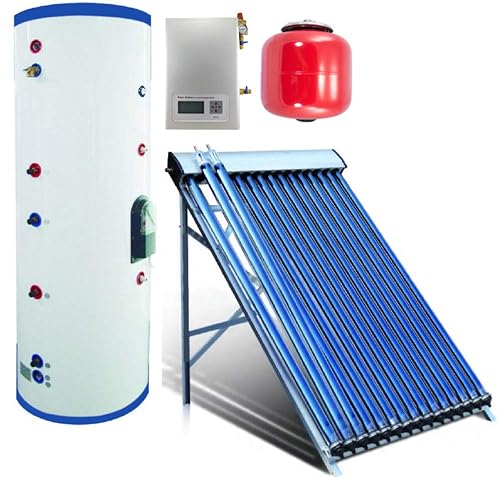 Best for large pools and split systems600 Liter Water Heater Active Split System Dual Coil TankView on Amazon
- 5
 Best budget pick180 Liter Standard Passive Water Heater Attached Pressurized TankView on Amazon
Our Top Picks
Quick Comparison
| Product | Best for | Key feature |
|---|---|---|
| 30 Tube Water Heater Pool Collector Evacuated Vacuum Tubes Hot | Most mid-size pools | 30-tube evacuated collector array for pool heating |
| MISOL Solar Collector of Solar Hot Water Heater with 10 Evacuated Tubes | Small pools and tight spaces | Compact 10-tube collector with heat pipe tubes |
| 30 Tube Duda Solar Water Heater Collector 45° Frame | Buyers who want SRCC-certified equipment | SRCC certification and 45° mounting frame |
| 600 Liter Water Heater Active Split System Dual Coil Tank | Large pools and higher demand | Active split system with dual coil tank |
| 180 Liter Standard Passive Water Heater Attached Pressurized Tank | Budget-conscious pool owners | Passive pressurized tank design, simple to run |
30 Tube Water Heater Pool Collector Evacuated Vacuum Tubes Hot
30 Tube Water Heater Pool Collector Evacuated Vacuum Tubes Hot
Best for: Most mid-size pools that need a reliable, all-round collector array.
This is a good starting point for homeowners with a standard in-ground or above-ground pool who want a solid share of their heating from the sun without a complicated system. Its 30-tube layout offers a substantial collector area for the price class of evacuated tube units.
Key specs
- 30 evacuated glass tubes
- Designed for pool water heating applications
Pros
- Enough collector area for most residential pools
- Evacuated tubes perform well in cool or partly cloudy weather
- Straightforward design for owners comfortable with basic plumbing
Cons
- Glass tubes can break from hail or dropped tools, so handle with care
- You will need to confirm the mounting stand and plumbing fittings match your setup
Bottom line: A strong all-around choice for a typical backyard pool. Confirm the stand and fittings before buying.
MISOL Solar Collector of Solar Hot Water Heater with 10 Evacuated Tubes
MISOL Solar Collector of Solar Hot Water Heater/with 10 Evacuated Tubes/Heat Pipe Vacuum Tubes
Best for: Small pools and tight spaces where a full 30-tube array will not fit.
A 10-tube heat pipe collector suits small above-ground pools, spas, or a pool on a limited mounting area. It is also a sensible way to test a solar pool setup before committing to a larger array.
Key specs
- 10 evacuated tubes with heat pipe design
- Compact footprint for limited mounting space
Pros
- Small footprint is easy to position on a stand or fence line
- Heat pipe tubes are a common design in solar thermal collectors
- Lower overall system size keeps installation simpler
Cons
- Limited heating output compared with larger arrays, so it suits small volumes best
- Owners with large pools may find it too small to reach target temperatures early in the season
Bottom line: Pick this for a small pool or a trial setup. Larger pools will need more collector area.
30 Tube Duda Solar Water Heater Collector 45° Frame
30 Tube Duda Solar Water Heater Collector 45° Frame Evacuated Vacuum Tubes SRCC Certified Hot
Best for: Buyers who want SRCC-certified equipment and a fixed 45° frame.
Duda is a recognized name in evacuated tube solar water heating, and the listing states SRCC certification. Buyers who want documented performance and a purpose-built angled frame will find this a more structured option than unbranded arrays.
Key specs
- 30 evacuated tubes
- 45° mounting frame
- SRCC certified (as stated in the listing)
Pros
- Certification gives a documented performance baseline
- The 45° frame suits a range of roof and ground mounts
- Established brand with a track record in solar hot water
Cons
- Certified equipment often costs more than uncertified alternatives, so it is a premium option
- Frame and tube sizing still need to match your pool’s flow requirements
Bottom line: The best fit for owners who value certification and a known brand over the lowest sticker option.
600 Liter Water Heater Active Split System Dual Coil Tank
600 Liter Water Heater Active Split System Dual Coil Tank 45 Deg Frame Evacuated Vacuum Tubes Hot SRCC Certified
Best for: Large pools and households needing higher heating demand.
An active split system separates the collector from the storage tank and uses a pump to circulate fluid. This suits larger volumes and situations where the tank sits in a sheltered spot away from the collectors.
Key specs
- 600 liter tank capacity
- Active split system with dual coil tank
- 45° frame and evacuated tubes (per listing)
Pros
- Large storage volume suits bigger pools
- Split design lets you place the tank indoors or in a shaded area
- Dual coil layout is common in active systems for heat transfer
Cons
- Active systems need a pump and controller, which adds electrical work
- Installation is more involved than a passive unit, so hiring help is wise
Bottom line: Choose this for large pools or demanding heating loads if you can handle the added plumbing and power work.
180 Liter Standard Passive Water Heater Attached Pressurized Tank
180 Liter Standard Passive Water Heater Attached Pressurized Tank Evacuated Tubes Hot
Best for: Budget-minded pool owners who want a simple, passive setup.
A passive system relies on natural convection and needs no pump. It works well for smaller pools and owners who prefer fewer moving parts, though heating rates will be slower than active designs.
Key specs
- 180 liter attached pressurized tank
- Passive, pump-free design
Pros
- No pump or controller needed, so fewer components can fail
- Simple layout for owners doing their own plumbing
- Pressurized tank supports standard household plumbing
Cons
- Lower storage volume limits how much pool water it can help heat
- Passive flow is slower, so warm-up times are longer on cool days
Bottom line: A sensible low-complexity option for small pools when you are working with a modest budget.
Buying Guide
Collector size and pool volume
Match collector area to your pool’s volume and the number of heating hours you want. Manufacturers generally size pool collectors as a percentage of pool surface area. Undersized arrays will only extend the season a little, while oversized ones can waste material. Check the sizing guidance from the manufacturer before buying.
Good picks for this: 30 Tube Water Heater Pool Collector Evacuated Vacuum Tubes Hot, MISOL Solar Collector of Solar Hot Water Heater with 10 Evacuated Tubes
Active versus passive design
Passive systems use no pump and are simpler, but they heat more slowly and suit smaller volumes. Active split systems need a pump and controller but handle larger tanks and flexible tank placement. Decide based on pool size and how comfortable you are with electrical work.
Good picks for this: 600 Liter Water Heater Active Split System Dual Coil Tank, 180 Liter Standard Passive Water Heater Attached Pressurized Tank
Certification and documented performance
Look for independent certification such as SRCC (Solar Rating and Certification Corporation) on the product listing or spec sheet. Certification indicates the collector has been rated under a defined test standard, which makes comparisons easier. Uncertified units may still work, but you have less data to go on.
Good picks for this: 30 Tube Duda Solar Water Heater Collector 45° Frame
Mounting stand and angle
A stand sets the collector angle and keeps tubes clear of pool splash and debris. Many installers aim for a tilt roughly equal to your latitude for year-round performance, with steeper angles favoring winter use. Confirm the stand’s material and wind rating for your location before buying.
Good picks for this: 30 Tube Duda Solar Water Heater Collector 45° Frame, 30 Tube Water Heater Pool Collector Evacuated Vacuum Tubes Hot
Tube durability and handling
Evacuated glass tubes are efficient but fragile. Check whether the tube design is a heat pipe or direct-flow type, and plan to keep spare tubes on hand. Protect the array from falling branches and keep ladders and tools clear during installation.
Good picks for this: MISOL Solar Collector of Solar Hot Water Heater with 10 Evacuated Tubes, 30 Tube Water Heater Pool Collector Evacuated Vacuum Tubes Hot
Plumbing fittings and pressure rating
Confirm inlet and outlet sizes match your pool pump plumbing and that the tank pressure rating suits your household or pool loop. Mismatched fittings are a common source of leaks. Pressurized tanks need a relief valve and should be installed to local plumbing codes.
Good picks for this: 180 Liter Standard Passive Water Heater Attached Pressurized Tank, 600 Liter Water Heater Active Split System Dual Coil Tank
Freeze protection and winter care
In freezing climates, collectors need freeze protection, either through drain-back design, glycol loops, or draining in winter. Ask the manufacturer what freeze protection is built in before committing. Seasonal shutdown and draining steps should be written into your maintenance plan.
Good picks for this: 600 Liter Water Heater Active Split System Dual Coil Tank, 30 Tube Duda Solar Water Heater Collector 45° Frame
FAQ
Do I need a pump with a vacuum tube solar pool heater?
Not always. Passive designs circulate water by convection and need no pump. Active split systems do need a circulation pump and controller. Check the system type before buying.
How many tubes do I need for my pool?
It depends on pool surface area, climate, and how many degrees you want to gain. Use the manufacturer’s sizing guidance or a solar pool heater calculator as a starting point, then adjust for your local sun exposure.
What does SRCC certification mean?
SRCC stands for Solar Rating and Certification Corporation. A certified product has been rated under a defined standard, so its performance can be compared with other certified products. It does not guarantee a specific heating result at your site.
Can evacuated tubes work in cold weather?
Evacuated tubes are designed to perform better than flat plates in cool or cloudy conditions because the vacuum reduces heat loss. Freeze protection is still required in freezing climates.
How long do vacuum tube collectors last?
Service life varies with materials, mounting, and weather exposure. Owners often report replacing individual broken tubes rather than the whole array. Ask the manufacturer for its stated warranty and expected service life.
Is it safe to install a solar pool heater myself?
Basic plumbing and mounting can be DIY projects, but roof work, electrical connections for pumps, and pressurized tank installation carry real risk. Consult a licensed plumber or solar installer, and check local permit requirements.
Conclusion
For most mid-size pools, the 30 Tube Water Heater Pool Collector is a balanced starting point. Smaller pools and tight spaces suit the 10-tube MISOL unit. Buyers who want certification should look at the Duda 30-tube frame. Large pools or households with higher demand should consider the active split 600 liter system, while the 180 liter passive tank is the simplest budget route. Match your choice to pool volume, plumbing comfort, and climate, and confirm fittings and freeze protection before you order.
Sources
- Federal guidance on solar water heating systems, types and basic design considerations (energy.gov)
- Research and technical information on solar thermal performance and collector technology (nrel.gov)
- Standards and professional guidance on building energy systems and heating (ashrae.org)
Before you buy: helpful guides
Related reading
- 7 Best Vacuum Tubes for Solar Water Heater (2026)
- 4 Best Vacuum Glass Tube Solar Water Heater Options Compared (2026)
- Top 5 Solar Water Heaters for Paddling Pool Options Compared in 2026
About Audrey Hayes
Audrey Hayes is part of our editorial team and reviews and edits our solar water heaters guides, checking product details against manufacturer specifications and owner feedback.