By Audrey Hayes
Updated November 2026
A solar thermal system is a setup that collects sunlight and turns it directly into heat, most often to warm water for a home, pool, or building. In this guide you will learn what the system is made of, how the heat moves from the collector to your tank, and what to check before you commit to a design. The short answer is simple: a solar thermal system uses the sun’s energy as heat rather than converting it into electricity.
How a Solar Thermal System Works
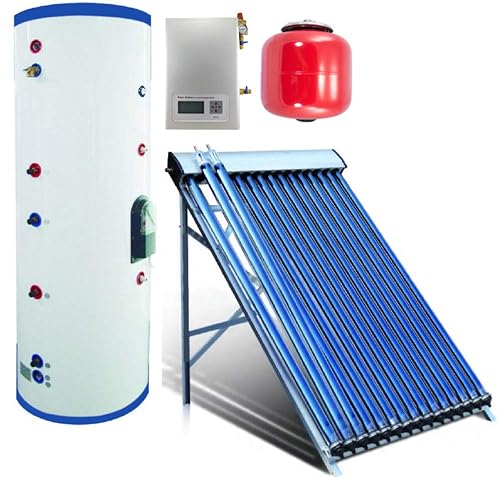
Sunlight strikes a collector, which is usually a dark absorber plate or a row of evacuated glass tubes. The absorber gets hot, and a heat transfer fluid (water or a water-glycol mix) carries that heat through pipes to a storage tank. Pumps or natural convection move the fluid, and a controller decides when to run them, typically by comparing the collector temperature with the tank temperature.
Shopping for one? See our guide: 5 Best Solar Thermal Water Heating Systems Compared for Homes (2026).
Solar thermal is different from solar photovoltaic (PV) panels. PV panels generate electricity. A solar thermal system skips that step, so it usually delivers more useful energy per square foot of roof for hot water purposes.
Main Components of a Solar Thermal System
Most residential systems share the same core parts, whatever the brand or layout: For a deeper look, Solar Panel Specifications for DIY Systems: What Each Number Means covers this in detail.
- Collector: flat-plate or evacuated tube, mounted facing south in the Northern Hemisphere, usually tilted near your latitude.
- Heat transfer fluid: in freeze-prone areas this is a propylene glycol mix; in mild climates plain water may work.
- Storage tank: an insulated tank that holds the heated water until you use it.
- Pump and controller: the pump circulates the fluid, and the controller switches it on when the collector is hotter than the tank.
- Backup heater: a gas, electric, or heat pump source that covers cloudy days and peak demand.
Types of Solar Thermal Systems
Systems are generally grouped by how they circulate fluid and how they are controlled. Two common types are:
- Active systems use a pump and controller to move fluid. They suit most climates and allow flexible tank placement.
- Passive systems rely on thermosiphon action, where warm fluid rises naturally. They have fewer moving parts but need the tank above the collector.
Within active designs, a drain back system uses a reservoir so water drains out of the collector when the pump stops, which protects against freezing. The details of that design are covered in Drain Back Solar Thermal Systems: How They Work and How to Build One (2026).
Factors to Check Before Installing
Before you buy any equipment, confirm these points:
- Roof or ground orientation and shading, ideally with a south-facing, unshaded area for most of the day.
- Your hot water demand in gallons per day, which sets the collector area and tank size.
- Freeze protection needs, since this decides between drain back, glycol, or drain down designs.
- Structural load and roof condition, because a full collector array adds significant weight.
- Local permits and utility rules, which vary by city and state.
Climate matters a great deal. Cold-season performance is a common concern, and Solar Thermal in Winter: How to Keep Your System Working in Cold Weather explains the main strategies.
Solar Thermal System Applications
Most homeowners use solar thermal for domestic hot water, and it is also common for swimming pools and space heating. Larger commercial and utility projects use the same basic principle at much bigger scale. For example, Solar Thermal Pool Heating Systems: 5 Best Options Compared (2026) focuses on the pool application, where lower temperatures are needed and the system can be simpler.
Tips and Common Mistakes
- Do not oversize the collector for a small household; excess heat in summer can stress components.
- Use the correct heat transfer fluid for your climate, and test glycol concentration yearly.
- Insulate exposed pipes thoroughly, because heat loss in the run can cut performance noticeably.
- Check that the controller sensors are seated correctly, since a poor reading can stop the pump from running.
- Plan for the backup heater from the start so hot water never runs out on overcast days.
FAQ
Is a solar thermal system the same as a solar panel?
No. Solar thermal systems collect heat for water or fluid, while solar panels (photovoltaic) generate electricity. The two can be installed together on the same roof.
What are solar thermal systems used for?
The most common use is heating domestic hot water, with pool heating and space heating also widespread. Industrial and utility-scale plants use similar principles for process heat and power generation.
Do solar thermal systems work in cold climates?
They can, provided the design includes freeze protection such as a glycol loop or drain back reservoir and the system is sized with a reliable backup heater. A licensed installer familiar with your local climate can confirm the right configuration.
Conclusion
A solar thermal system captures sunlight as heat and moves it to a storage tank for practical use, most often for hot water. Understanding the collector, fluid loop, tank, controller, and backup heater makes it much easier to judge whether a design fits your site. For any installation involving roof work, plumbing, or gas, consult a licensed professional.
Related reading
- Top 7 Solar Thermal Energy Conversion System Options Worth Considering in 2026
- Top 6 Solar Thermal Power Generation System Options Compared for 2026
- Top 5 Solar Thermal Water Heater System Options Compared for Homes
Ready to choose one?
About Audrey Hayes
Audrey Hayes is part of our editorial team and reviews and edits our solar water heaters guides, checking product details against manufacturer specifications and owner feedback.