By Audrey Hayes
Updated November 2026
Solar thermal systems prices depend mainly on the collector type, the size of the storage tank, the plumbing and controls, and how hard the roof is to work on. A small flat-plate system for domestic hot water usually costs far less than a larger installation with evacuated tubes, a drainback loop, and a heating-assist circuit. Installation labor often makes up a large share of the total, so local conditions matter as much as the hardware.
Why the Same System Can Cost Very Different Amounts
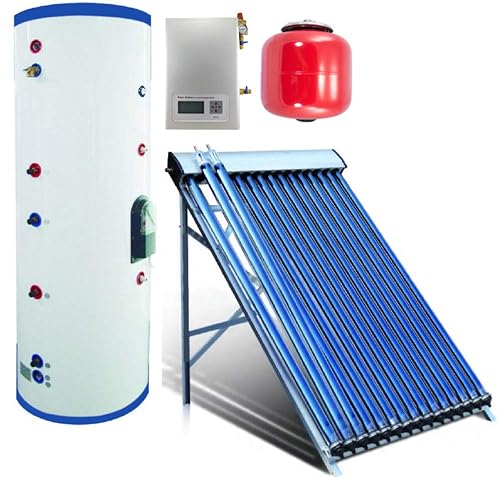
Two quotes for “a solar water heater” can differ widely because the phrase covers many configurations. A passive thermosiphon system on a south-facing roof with a short pipe run is the simplest case. An active closed-loop system with a pump, a heat exchanger, and a differential controller needs more parts and more labor to commission. Pool heating systems use lower-temperature, unglazed collectors, which is why they often cost less than domestic hot water setups. Check our guide on Solar Thermal Pool Heating Systems: 5 Best Options Compared (2026) if that is your use case.
Shopping for one? See our guide: 5 Best Solar Thermal Water Heating Systems Compared for Homes (2026).
The Main Factors That Move the Total
Most of the variation comes from a handful of decisions: If you want more background, see Off the Grid Solar System Price: What You Pay for Each Component.
- Collector type. Flat-plate collectors are generally the lower-cost option. Evacuated tubes perform better in cold or cloudy climates but add hardware cost.
- Collector area and storage. A household of four typically needs more collector area and a larger tank than a single occupant. Compare tank options in Top 5 Solar Thermal Storage Tanks for Home Hot Water Systems.
- Freeze protection. Drainback and glycol closed-loop designs add components. Read Drain Back Solar Thermal Systems: How They Work and How to Build One (2026) to see what those extra parts do.
- Roof and mounting. Steep, high, or structurally uncertain roofs raise labor time and sometimes require structural work.
- Permits and inspection. Requirements vary by jurisdiction and can add administrative and inspection steps.
How to Plan Your Budget Realistically
Good planning starts with your actual hot water demand, not a guess. Manufacturers typically publish daily hot water volume guidance and collector area recommendations for each model, so start there. Then get several written quotes that list the same components, so you can compare line by line rather than comparing headline totals.
- Measure or estimate your daily hot water use in gallons.
- Confirm your roof’s orientation, tilt, and shading for at least a full day.
- Ask each installer to itemize collectors, tank, pump, controller, piping, and labor.
- Ask whether the quote includes permits, inspection, and commissioning.
- Check whether your area offers incentives, and confirm eligibility before you sign.
What We’d Use
For a basic domestic hot water setup, a flat-plate collector kit paired with a matching insulated storage tank is a common starting point. Search for Solar Water Heater Flat Plate Collector Kit. View on Amazon
If you want a self-contained unit for a small home or garden space, an integrated batch-style solar water heater is simpler to install. Search for Integrated Batch Solar Water Heater. View on Amazon
FAQ
Are evacuated tube systems always more expensive than flat-plate?
Usually, yes, at the hardware level. Their better heat retention in cold weather can still make them the right choice in colder regions, so compare performance needs against the price difference.
Does installation labor change the total much?
It can. Roof access, pipe runs, and controller setup all add hours. Ask for labor shown as a separate line item.
Should I consult a professional before buying?
Yes. A licensed plumber or solar installer can check roof load, plumbing connections, and local code requirements before you commit to a design.
Ready to choose one?
About Audrey Hayes
Audrey Hayes is part of our editorial team and reviews and edits our solar water heaters guides, checking product details against manufacturer specifications and owner feedback.