 By Audrey Hayes
Updated November 2026
Readers searching for hybrid photovoltaic thermal solar systems usually want one of three things: a working theory of how PV/T collectors trade electricity against heat, a design method they can follow on paper, or an installer-level reference for putting a combined system on a roof. The picks below were selected from publisher listings, author and publisher reputation, and the topics covered in each title’s description and table of contents. Owner feedback patterns on the retail pages were also considered.
Our top picks at a glance
- 1
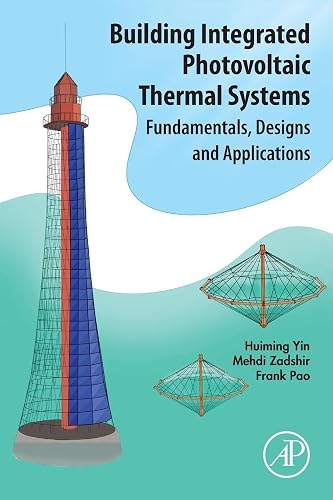 TOP CHOICEBest overallBuilding Integrated Photovoltaic Thermal SystemsView on Amazon
- 2
 TOP CHOICEBest for experimental analysisPerformance Analysis of Solar Photovoltaic Thermal Hybrid SystemsView on Amazon
- 3
 TOP CHOICEBest for theory and modelingPhotovoltaic/Thermal (PV/T) SystemsView on Amazon
- 4
 Best for installersPlanning and Installing Solar Thermal SystemsView on Amazon
- 5
 Best for thermal performance designSolar Thermal Systems and ApplicationsView on Amazon
- 6
 Best for hot water and space heatingSolar Thermal EngineeringView on Amazon
- 7
 Best for hybrid system designSolar Hybrid Systems: Design and ApplicationView on Amazon
Our Top Picks
Quick Comparison
| Product | Best for | Key feature |
|---|---|---|
| Building Integrated Photovoltaic Thermal Systems | Overall coverage | Fundamentals through applications |
| Performance Analysis of Solar Photovoltaic Thermal Hybrid Systems | Experimental analysis | PV/T collector test methods |
| Photovoltaic/Thermal (PV/T) Systems | Theory and modeling | Principles and design equations |
| Planning and Installing Solar Thermal Systems | Installers | Field-focused installation steps |
| Solar Thermal Systems and Applications | Thermal performance design | Improved design techniques |
| Solar Thermal Engineering | Hot water and space heating | System sizing for heating loads |
| Solar Hybrid Systems: Design and Application | Hybrid system design | Combined energy system design |
Building Integrated Photovoltaic Thermal Systems
Building Integrated Photovoltaic Thermal Systems: Fundamentals, Designs and Applications
Best for: Overall coverage of PV/T fundamentals, designs and applications.
This suits readers who want one book that moves from heat-transfer basics to building-integrated layouts. Owners often report that it works as a long-term reference rather than a quick read. We also found 5 Best Hybrid Solar Electric Solar Thermal System Resources for 2026 useful on this point.
Pros
- Covers fundamentals and applications in one volume
- Useful for building-integrated roof and facade work
Cons
- Dense for readers without an engineering background
Performance Analysis of Solar Photovoltaic Thermal Hybrid Systems
Performance Analysis of Solar Photovoltaic Thermal Hybrid Systems: A book to perform experimental analysis of Solar Photovoltaic-Thermal (PVT) Hybrid Collectors
Best for: Experimental analysis of PV/T hybrid collectors.
Aimed at students and researchers who need to measure and compare collector output. Readers who plan to run their own test rig will find the method sections most useful.
Pros
- Focused on experimental procedures for hybrid collectors
- Useful for comparing electrical and thermal output
Cons
- Narrower scope than a general design guide
Photovoltaic/Thermal (PV/T) Systems
Photovoltaic/Thermal (PV/T) Systems: Principles, Design, and Applications
Best for: Theory and modeling of PV/T systems.
A good fit for readers who want the governing equations behind combined collectors before committing to a design. It rewards careful reading and a notepad.
Pros
- Strong on principles and design calculations
- Explains the electrical-thermal tradeoff clearly
Cons
- Light on step-by-step installation detail
Planning and Installing Solar Thermal Systems
Planning and Installing Solar Thermal Systems: A Guide for Installers, Architects and Engineers
Best for: Installer-level planning and installation.
Written for installers, architects and engineers who need to move from design to a finished roof. It leans toward practical checklists and site considerations.
Pros
- Practical focus on installation and site planning
- Useful for permit and layout discussions
Cons
- Thermal-only in places, so pair it with a PV/T theory text
Solar Thermal Systems and Applications
Solar Thermal Systems and Applications: New Design Techniques for Improved Thermal Performance (Hybrid Energy Systems)
Best for: Improving thermal performance in system design.
Suited to designers looking for newer techniques to raise heat output from collectors. Readers new to the subject may need background reading first.
Pros
- Focuses on design techniques for better thermal performance
- Covers hybrid energy system context
Cons
- Assumes some prior knowledge of collector design
Solar Thermal Engineering
Solar Thermal Engineering: Space Heating and Hot Water Systems
Best for: Sizing systems for hot water and space heating.
A solid choice for readers whose main goal is heating a building or water supply. Older in publication date, so check that its methods still match current practice.
Pros
- Clear treatment of heating loads and system sizing
- Useful background on hot water and space heating
Cons
- Less focused on the photovoltaic side of hybrid collectors
Buying Guide
Match the Book to Your Role
Start by deciding whether you are a student, a researcher, a designer, or an installer. Theory-heavy texts suit academic readers, while practical installation guides serve people who need to specify equipment and plan a job on site. A related read: 6 Best Solar PV and Thermal Systems Books for Installers and Homeowners (2026).
Check whether the book focuses on building integration, experimental analysis, or general system design. A title that matches your daily work will be far more useful than a broad overview.
Check the Depth of Thermal and Electrical Coverage
Hybrid systems combine electricity generation with heat recovery, so a good reference should explain both sides and how they interact. Look for clear treatment of energy balance, thermal losses, and how cooling the panel affects electrical output.
Books that include worked examples, equations, and test methods give you more to apply than purely descriptive texts.
Look for Design and Application Examples
Real-world case studies, system layouts, and application areas such as space heating or domestic hot water make abstract principles easier to use. Review the table of contents to see whether the book covers the applications you care about.
Examples tied to climate, building type, or system size can be especially valuable when you are adapting a design to a specific project.
Consider Currency and Standards
Solar technology and the codes that govern installations change over time. Check the publication date and whether the author addresses current design approaches and relevant standards. Newer material is generally better for installation and engineering decisions.
Weigh Readability and Format
Some titles are dense research volumes, while others are written for working professionals with diagrams and checklists. Choose a format you will actually read and refer back to, whether that is a full textbook, a concise guide, or a reference with clear illustrations.
FAQ
What is a hybrid photovoltaic thermal solar system?
A hybrid photovoltaic thermal system, often called PV/T, combines a solar electric panel with a heat-collecting layer so that one collector produces both electricity and useful heat. The heat is usually carried away by a fluid, which also helps keep the panel cooler and can improve electrical performance.
Do I need a background in engineering to use these books?
Some titles assume a working knowledge of heat transfer and electrical systems, while others are written for installers and architects with more practical focus. Check the introduction and first chapters to judge whether the level matches your experience.
Is a PV/T system the same as a standard solar panel plus a solar water heater?
No, a PV/T collector integrates both functions into a single unit, while separate systems use two distinct collectors. The integrated approach can save roof space, but the design trade-offs are different and are covered in detail in the design-focused books.
Which type of reader benefits most from experimental analysis texts?
Researchers, graduate students, and engineers who need to test prototypes or validate performance models will get the most from experimental analysis books. These titles focus on measurement methods and collector testing rather than installation steps.
Should I buy a newer book or an older classic?
For installation practices, codes, and current component designs, a newer book is usually the better choice. Older texts can still be valuable for core thermodynamic and heat transfer fundamentals, which change far less than equipment and standards.
Conclusion
Readers who want a broad, integrated understanding of hybrid systems will find the most value in the building-integrated and general PV/T design texts. Those focused on lab work and performance measurement should prioritize the experimental analysis title, while installers and architects will benefit most from the practical planning and solar thermal guides.
Choose based on your daily role, the depth of thermal and electrical coverage you need, and how current the material is. Matching the book to your specific goal will get you the most useful knowledge for your project.
Related reading
- Hybrid Solar Panel Photovoltaic Thermal: How It Works and Whether to Build One
- 6 Best Photovoltaic Thermal Hybrid Solar Collector Options Compared (2026)
- What Is a Solar Thermal System? How It Works and What You Need
About Audrey Hayes
Audrey Hayes is part of our editorial team and reviews and edits our solar water heaters guides, checking product details against manufacturer specifications and owner feedback.


