By Audrey Hayes
Updated November 2026
A solar heart hot water system price depends on a handful of things you can actually control: the type of collectors, the size of the storage tank, how much of the install is labor, and what backup heating you choose. This guide explains each cost driver in plain terms, shows you how to size a system for your household, and gives you a checklist so you can compare quotes on equal footing. Nothing here quotes specific dollar figures, because regional labor rates, permit fees and equipment availability change too quickly for any fixed number to stay accurate.
What “Solar Heart” Usually Means in Practice
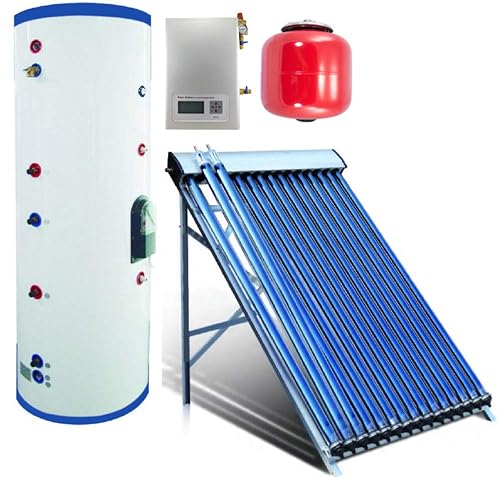
People searching for a solar heart hot water system are usually looking for a standard closed-loop or drain-back solar thermal setup that feeds a domestic hot water tank, sometimes paired with a space-heating loop. The name varies by manufacturer and by market, so when you request quotes, describe the system by its components rather than by a brand label. Ask for the collector area in square feet or square meters, the storage volume in gallons or liters, the pump and controller model, and the backup heat source.
Shopping for one? See our guide: 6 Best Indirect Solar Hot Water System Options for Homes (2026).
Step 1: Define Your Hot Water Demand
Sizing drives most of the cost, so start with a realistic count of how much hot water your home uses. A common planning figure for a household is roughly 15 to 25 gallons of hot water per person per day, though low-flow fixtures and short showers push that number down and jetted tubs or dishwashers push it up. Multiply your estimate by the number of occupants and round up slightly.
- List every hot water use: showers, dishwashing, laundry, cleaning.
- Estimate gallons per person per day, using your own habits rather than a generic number.
- Multiply by occupants to get a daily total.
- Add a margin of 10 to 20 percent for guests and seasonal changes.
A tank that is too small forces the backup heater to run more often. A tank that is too large costs more up front and can leave stored water cooling before you use it. Installers usually size the tank to one or two days of demand, then size collector area to recover that volume on a typical sunny day.
Step 2: Understand the Main Cost Drivers
When you compare quotes, most of the difference comes from a few line items. Knowing what each one covers makes it easier to spot where one bid is cheaper for a good reason and where another is simply missing parts.
Collectors
Flat-plate and evacuated-tube collectors differ in efficiency, weight, and performance in cold weather. Evacuated tubes tend to perform better in low sun and freezing conditions, while flat-plate collectors are often simpler to install on a standard roof and can be more tolerant of hail depending on the glazing. The number of collectors and their total area is the largest single line item in most bids.
Storage Tank
The tank can be a dedicated solar storage tank or an existing water heater modified for solar input. Dedicated tanks with a solar coil or external heat exchanger are common in closed-loop systems. Check whether the quote includes the tank, the coil, insulation, and the connections for both the solar loop and the cold supply.
Pumps, Controls and Valves
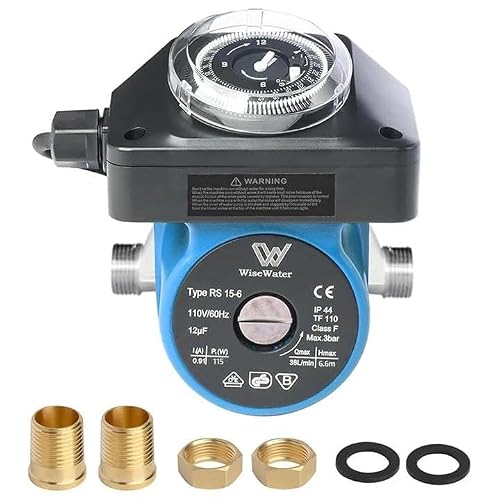
A differential temperature controller, circulator pump, check valves, expansion tank, pressure relief valve and isolation valves all add parts and labor. Closed-loop systems use glycol antifreeze in the collector loop and need a heat exchanger. Drain-back systems avoid glycol but require careful pipe slope and a drain-down reservoir. Ask each bidder which design they propose and why.
Backup Heating
Almost every solar hot water system needs a backup heat source for cloudy stretches. Options include an electric element in the storage tank, a gas or propane tankless unit, or a heat pump. Backup equipment can be a large share of the total cost, and it affects operating expenses more than the solar hardware does. A separate tankless booster may also require a gas line upgrade or a venting change.
Labor, Roof Work and Permits
Labor depends on roof access, pitch, height, existing plumbing and how far the collectors sit from the tank. A roof with rafters in the right spot and a short pipe run is far less work than a steep, complex roof with long runs through finished walls. Permit and inspection fees vary by jurisdiction. Some installers include them and some pass them through, so make sure the quote states who pays.
Step 3: Build a Comparison Table
Use a consistent template so bids can be compared line by line. Request that every installer quote the same scope, not their own version of it.
| Component | What to Confirm | Common Gap |
|---|---|---|
| Collectors | Type, count, total aperture area, warranty | Area stated as “panels” with no square footage |
| Storage tank | Volume, insulation rating, solar coil or heat exchanger | Tank included but coil or exchanger left out |
| Pumps and controls | Pump model, controller, sensors, expansion tank | Controller listed without sensors |
| Piping and insulation | Pipe material, length, insulation thickness, UV protection | Length estimated rather than measured |
| Backup heat | Type, capacity, control method | Backup not included at all |
| Labor and roof work | Roof mounts, flashing, crane or lift if needed | Roof penetrations not covered by warranty |
| Permits and inspection | Who files, who pays | Excluded and billed later |
Step 4: Check Incentives and Warranties
Federal, state, utility and local programs sometimes offer rebates, tax credits or performance incentives for solar thermal equipment. Eligibility rules change, so check the current status with your utility and tax adviser rather than relying on a figure you read online. Warranties matter too. Look at collector warranties, tank warranties, pump and controller coverage, and whether the installer’s workmanship warranty is backed by an actual company that will still exist in five years.
Step 5: Plan for Maintenance
Budget for periodic service. Glycol in closed-loop systems should be tested and replaced on the schedule the manufacturer specifies. Pressure relief valves should be checked yearly. Collectors need occasional cleaning if dust or bird debris builds up, and the controller should be checked when seasons change. Ask the installer for a written maintenance schedule before you sign.
Recommended gear
Most of the physical gear for a solar heart hot water system is installed by licensed professionals, but a few tools help you check quotes and monitor performance.
- Flow meter for your existing plumbing: Helps you measure actual hot water draw over a week so your sizing estimate is based on real data. View on Amazon
- Digital infrared thermometer: Lets you check collector outlet and tank temperatures during commissioning and seasonal checks. View on Amazon
- Glycol test strips for propylene glycol: Useful for checking freeze protection in closed-loop systems between professional service visits. View on Amazon
Common Mistakes
- Comparing bids that cover different equipment. Always normalize to the same scope.
- Sizing the system from a generic per-person figure instead of measured use.
- Ignoring the backup heater cost and its operating expense.
- Skipping a roof structural check before mounting heavy collectors.
- Assuming incentives apply without confirming eligibility in writing.
- Leaving out maintenance costs when comparing a solar system to a conventional heater.
Tips for Getting Accurate Quotes
- Ask for a site visit before a final number, especially for roof work.
- Request the collector area in square feet and the tank volume in gallons.
- Get the backup heat source specified by model, not by type alone.
- Ask who holds the permit and who schedules the inspection.
- Compare at least three detailed written proposals.
For a broader look at how related systems are priced, see Solar Hot Water System Price: What You'll Pay and What Drives It and Solar Domestic Hot Water System Price: What to Expect and How to Plan. If you are weighing configurations, Solar Hot Water System vs Heat Pump (2026): Which Is Better for Your Home? compares the two approaches head to head. Readers focused on component choice may also find Top 5 Solar Thermal Storage Tanks for Home Hot Water Systems useful.
FAQ
Does a solar heart hot water system price include installation?
It depends on the quote. Some bids list equipment only, while others include labor, roof work, piping and permits. Always confirm the scope in writing before comparing numbers.
How long does a solar hot water system last?
Collectors and tanks are often designed for many years of service, but pumps, controllers and glycol need periodic replacement. Check manufacturer specifications for the components you choose.
Do I still need a backup heater?
In most climates, yes. Solar input alone cannot guarantee hot water on cloudy days or in winter, so a backup source is standard practice.
Is a closed-loop or drain-back system better?
Each has trade-offs. Closed-loop systems use glycol and a heat exchanger and handle freezing well. Drain-back systems avoid glycol but depend on correct pipe slope and drainage. Your climate and installer’s experience should guide the choice.
Can I install a solar hot water system myself?
Some people do, but plumbing, electrical and roof work carry real risks, and permits often require licensed work. Consult a licensed professional and your local building department before starting.
How much roof space do I need?
It depends on your hot water demand and collector type. Your installer should calculate the required aperture area and confirm that the roof has the orientation, pitch and structural capacity to support it.
Are incentives available for solar water heating?
Availability varies by location and changes over time. Check with your utility, state energy office and a tax professional to confirm current programs and eligibility.
What maintenance should I expect?
Plan for periodic glycol testing, pressure relief valve checks, collector cleaning and controller inspection. Follow the maintenance schedule in your installer’s written documentation.
Conclusion
A solar heart hot water system price reflects the collectors, tank, controls, backup heat, labor and permits. The most reliable way to compare quotes is to size the system from measured hot water use and insist that every bidder price the same scope. Confirm incentives, warranties and maintenance before you commit. A careful comparison now prevents surprises during installation and over the life of the system.
Related reading
- Sunbird Solar Hot Water System Prices: What You'll Pay and Why It Varies
- Split Solar Hot Water System Price: What You'll Pay and What Drives It
Ready to choose one?
About Audrey Hayes
Audrey Hayes is part of our editorial team and reviews and edits our solar water heaters guides, checking product details against manufacturer specifications and owner feedback.