By Audrey Hayes
A solar hot water system with gas backup uses solar collectors to heat your water first and a gas-fired water heater to top it up whenever the sun falls short. Done well, this setup can cut the gas you burn for hot water substantially on sunny days while guaranteeing you never run out on cloudy weeks or winter mornings. This guide walks through the design logic, the components you need, the installation order, and the mistakes that cause trouble later.
How a Solar Hot Water System With Gas Backup Works
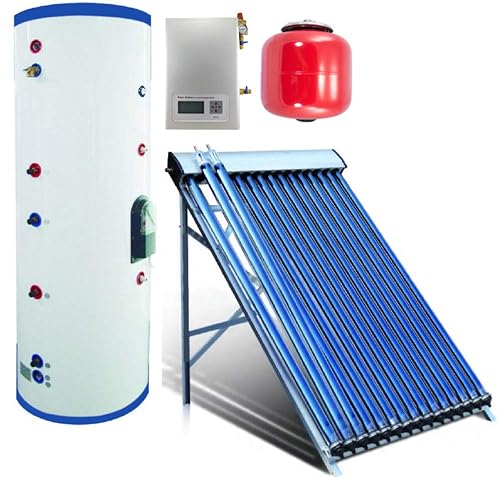
The system has two heat sources in series. Cold water enters a solar storage tank, where the collector loop (usually a glycol-filled closed loop with a heat exchanger) transfers heat from the panels into the water. That preheated water then flows into a conventional gas water heater. The gas unit only has to add the remaining temperature rise, so on a sunny day it may fire rarely or not at all.
Shopping for one? See our guide: 8 Best Solar Hot Water System Off Grid Picks for Homes (2026).
The key idea is that the gas heater should be a backup, not the main heater. Its thermostat is set normally, and it reacts to whatever temperature the water arrives at. When solar gain is strong, the incoming water is already warm and the burner stays quiet. When it is dark or cold, the gas unit does the full job. No switching is needed because the gas heater simply sees colder or warmer inlet water.
Step 1: Estimate Your Hot Water Demand
Start with your daily load, because everything else depends on it. A common planning figure in US residential design is around 20 to 25 gallons per person per day for a mix of showers, dishwashing and laundry, but your household may differ. Measure your actual use by checking your gas bill history against a period of known usage, or by timing shower flow rates and counting uses per day.
For a deeper method, see How to Estimate Your Household Hot Water Needs Before Going Solar. Once you have a daily gallon figure, you can size the storage tank and collector area in the next steps.
Step 2: Size the Solar Storage Tank
The solar tank should hold at least one day’s demand, and many designers prefer 1.5 times daily use so that a cloudy day does not starve the system. For a household using 60 gallons per day, a 80- to 90-gallon solar tank is a sensible target. Oversizing the tank slows heat-up each morning, while undersizing it wastes the solar gain you paid for.
Tank types vary. Standard glass-lined or stainless tanks with a coil heat exchanger are common for closed-loop systems. For details on sizing and safety fittings, read Solar Hot Water Storage Tanks: Sizing, Types and Safety Parts.
Step 3: Choose and Position the Collectors
Collector area is usually calculated from the tank volume and local solar resource. A rough rule for flat plate collectors in much of the US is about one square foot of collector per gallon of daily demand, adjusted for your climate. Evacuated tube collectors can deliver more heat per square foot in cold weather, so the area may be smaller.
Orient the collectors toward true south in the Northern Hemisphere and tilt them roughly equal to your latitude, adjusted up or down for winter or summer emphasis. Avoid shade from trees and chimneys during the hours between about 9 a.m. and 3 p.m. For a comparison of collector styles, see Solar Water Heater Collectors: Batch, Flat Plate and Evacuated Tube. Before mounting anything, review Roof and Structural Safety for Solar Water Heaters.
Step 4: Plan the Gas Backup Connection
The gas heater connects to the solar tank outlet, not the cold supply. This is the most important piping decision in the whole system. The cold water feed goes to the solar tank bottom, the solar tank top outlet feeds the gas heater cold inlet, and the gas heater hot outlet goes to your fixtures. Keep the gas heater’s own temperature setting at a normal level, typically 120°F, and add a mixing valve at the fixtures if you plan to run the solar side hotter.
Use a standard gas water heater rated for your fuel and venting type. Confirm that the gas line is sized for the heater’s input and that the venting meets manufacturer and code requirements. Never modify combustion or venting components to suit the solar layout.
Step 5: Install Controls, Sensors and Safety Parts
A differential controller is what makes the solar side work efficiently. It compares the temperature at the collector outlet with the temperature at the bottom of the solar tank, and runs the pump only when the collector is meaningfully hotter. Sensors should be seated firmly on the pipe or in wells with thermal paste. For how this logic works, see Solar Water Heater Controls and Sensors: How Differential Control Works.
Safety parts are not optional. Install:
- A temperature and pressure relief valve on the solar tank, piped to a safe discharge point
- An expansion tank sized for the glycol loop and the tank’s thermal expansion
- Isolation valves and drain valves at every low point
- A thermostatic mixing valve at fixtures to prevent scalding, as covered in Preventing Scalding From Solar Hot Water: Tempering Valves and Settings
Step 6: Insulate the Piping and Fill the Loop
Insulate all hot and solar loop piping with closed-cell foam rated for the temperatures you will see, which can exceed 180°F in the collector loop during stagnation. Gaps in insulation at fittings are a common source of heat loss. Fill the closed loop with a propylene glycol solution rated for your lowest expected temperature, bleed all air carefully, and pressure-test before final closure. Piping layout guidance is in Piping for Solar Water Heaters: Materials, Insulation and Layout.
Materials and Tools Checklist
- Solar collectors (flat plate or evacuated tube), mounting rails and roof flashings
- Solar storage tank with coil heat exchanger and relief valve connections
- Gas water heater sized for your fuel and venting
- Circulation pump rated for glycol and temperature, plus differential controller and sensors
- Expansion tank, pressure gauge, check valves and isolation valves
- Copper or CPVC/PEX rated for the temperatures, with closed-cell pipe insulation
- Propylene glycol heat transfer fluid, fill pump and air vent
- Thermostatic mixing valve
- Tools: pipe cutters, press or solder kit, torque wrench, multimeter, pressure test pump
Comparison: Solar Backup Options at a Glance
| Backup Type | How It Tops Up | Best Fit |
|---|---|---|
| Gas storage heater | Heats stored water to setpoint when needed | Homes with existing gas service and tank space |
| Gas tankless unit | Fires on demand for the remaining rise | Smaller footprint, but check minimum flow and sizing |
| Electric element backup | Electric resistance heats stored water | Homes without gas, or where gas is unavailable |
Common Mistakes
- Connecting the gas heater to the cold supply instead of the solar tank outlet, which wastes most of the solar gain.
- Setting the gas heater thermostat too high, which fires it constantly and hides how well the solar side is working.
- Undersizing the expansion tank, causing glycol loss and pressure swings.
- Skipping the differential controller and running the pump continuously, which drains heat at night.
- Leaving uninsulated piping in attics or crawlspaces, where losses add up quickly.
- Omitting the mixing valve, which allows dangerously hot water at fixtures.
Tips for Reliable Performance
- Log the solar tank temperature and the gas heater’s burner runtime for a few weeks. A rising burner runtime is an early sign of a fault.
- Check glycol concentration and pressure at least once a year.
- Clean collector glazing when dust or pollen builds up.
- For water with high mineral content, plan for scale control as described in Water Quality and Scaling in Solar Water Heaters.
- Review winter protection and freeze strategies in Winterizing a DIY Solar Water Heater: Freeze Protection Options.
Recommended gear
A differential solar controller with two sensor inputs is the heart of the system, and it is worth buying a unit made for solar thermal use rather than a general thermostat. Look for models that specify glycol-compatible pumps and clear temperature display.
A propylene glycol heat transfer fluid rated for solar loops protects against freezing and avoids the corrosion risks of other antifreezes. Check the label for the freeze point matching your climate.
A thermostatic mixing valve set to about 120°F protects against scalding while letting the solar tank run hotter for storage and Legionella control.
Closed-cell pipe insulation rated for high temperatures cuts heat loss on exposed runs and keeps the loop efficient.
FAQ
Does the gas heater run every day in a solar system with gas backup?
Not usually. On sunny days, the solar tank often delivers water warm enough that the gas burner barely fires. On cloudy days or in winter, it runs more often to make up the difference.
Should the gas heater thermostat be set higher than the solar tank?
Keep it at a normal setpoint, usually around 120°F. A higher setting causes the burner to fire even when solar has done most of the work, which reduces savings.
What temperature should the solar tank reach?
Many systems aim for storage temperatures between 120°F and 160°F depending on design and Legionella concerns. Mixing valves then bring fixture water to a safe temperature.
Can I use a tankless gas unit as the backup?
Yes, but check the unit’s minimum flow rate and temperature rise capability. Tankless units can struggle with very warm inlet water if they are not designed for preheated supply.
Do I need a permit for a solar hot water system with gas backup?
Requirements vary by jurisdiction. Gas connections, venting and structural roof mounting often need permits and inspection. Consult your local building department and a licensed professional before installing.
How much maintenance does the system need?
Plan for an annual check of glycol concentration and pressure, periodic collector cleaning, and checks of the relief valve. Gas appliance service should follow the manufacturer’s schedule.
Is a professional needed for gas connections?
Yes. Work involving gas lines and venting should be done or verified by a licensed plumber or gas fitter. Gas and combustion safety are not areas for DIY shortcuts.
Conclusion
A solar hot water system with gas backup works best when the solar side does most of the heating and the gas heater stays in reserve. Sizing the tank and collectors from real demand, piping the gas heater off the solar tank outlet, and installing a proper differential controller and safety parts are the decisions that matter most. Build carefully, verify your permits, and have gas and structural work checked by qualified professionals.
Ready to choose one?
About Audrey Hayes
Audrey Hayes is part of our editorial team and reviews and edits our solar water heaters guides, checking product details against manufacturer specifications and owner feedback.