 By Audrey Hayes
Updated November 2026
Choosing a reference for solar domestic hot water system design comes down to three things: whether the book covers the system type you plan to build, how much engineering depth it offers, and whether its guidance is still practical for a modern installation. The picks below were compared on those criteria using published tables of contents, author and publisher reputation, and recurring patterns in reader feedback.
Our top picks at a glance
- 1
 TOP CHOICEBest overallDistrict/Central Solar Hot Water Systems Design GuideView on Amazon
- 2
 Best for small residential buildsSolar Hot Water Fundamentals: Siting, Design, and InstallationView on Amazon
- 3
 Best for owners adding solar power alongside hot waterInstall Your Own Solar Panels: Designing and Installing a PhotovoltaicView on Amazon
Our Top Picks
| Product | Best for | Key feature |
|---|---|---|
| District/Central Solar Hot Water Systems Design Guide | Larger multi-unit or central systems | Covers collector arrays, storage and distribution at scale |
| Solar Hot Water Fundamentals: Siting, Design, and Installation | Single-family homes and small builds | Focus on siting, sizing and installation steps |
| Install Your Own Solar Panels: Designing and Installing a Photovoltaic System to Power Your Home | Owners who want electricity as well as hot water | Photovoltaic design principles for home systems |
District/Central Solar Hot Water Systems Design Guide
District/Central Solar Hot Water Systems Design Guide
Best for: Larger multi-unit or central solar domestic hot water systems
This guide suits engineers, designers and experienced installers working on systems that serve several dwellings or a shared hot water loop. Owners of a single house will find much of the material more than they need, though the principles carry over.
Key specs:
- Focused on district and central solar hot water design rather than single-tank residential kits
- Addresses collector field layout, large storage and distribution piping
Pros:
- Covers system-scale issues that smaller guides usually skip
- Useful for understanding how loads, storage volume and collector area interact
- Good reference for professional design conversations
Cons:
- Less relevant to a single-family DIY build
- Assumes some engineering background
Bottom line: Pick this if you are designing for a building complex or shared system. Single-home builders should look at the next title first.
Solar Hot Water Fundamentals: Siting, Design, and Installation
Solar Hot Water Fundamentals: Siting, Design, and Installation
Best for: Small residential solar domestic hot water builds
This book fits homeowners and small-scale DIY builders who want a clear path from site assessment to a finished installation. Readers planning their first system will get the most out of its step-by-step structure.
Key specs:
- Organized around siting, system design and installation
- Written for residential-scale solar hot water
Pros:
- Strong focus on orientation, tilt and shading decisions
- Connects design choices to installation steps
- Accessible to readers without an engineering degree
Cons:
- Sizing calculations may need supplementing with current standards or software
- Less depth on large or multi-zone systems
Bottom line: The most practical starting point for a single-home build. Pair it with a sizing reference before you buy components.
Install Your Own Solar Panels: Designing and Installing a Photovoltaic System to Power Your Home
Install Your Own Solar Panels: Designing and Installing a Photovoltaic System to Power Your Home
Best for: Owners who want electricity from solar as well as hot water
This title is about photovoltaic systems, not thermal hot water. It suits homeowners who plan to add solar electricity and want to understand the electrical side of their roof or yard layout. Those who only need domestic hot water should choose one of the first two books.
Key specs:
- Focused on photovoltaic (electric) solar systems
- Covers design and installation for home power
Pros:
- Useful if you are weighing solar electricity against solar hot water
- Explains wiring, mounting and system layout concepts
- Aimed at a homeowner audience
Cons:
- Does not address solar thermal hot water design directly
- Electrical work may require a licensed electrician where local code demands it
Bottom line: A fit for owners planning solar power, not a direct guide to hot water design. Check local electrical permit rules before any wiring work.
Buying Guide
Match the book to your system type
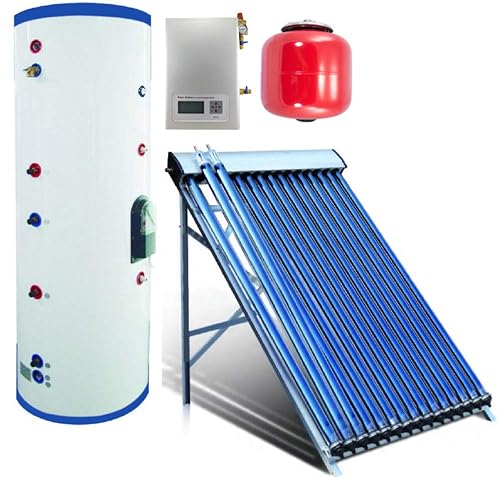
Solar domestic hot water systems come in several forms, including direct and indirect loops, drainback, and batch or integrated collector-storage designs. A reference should cover the type you plan to build. Check the table of contents for the specific system layout before buying, because a general solar book may only mention thermal designs in passing.
Good picks for this: Solar Hot Water Fundamentals: Siting, Design, and Installation; District/Central Solar Hot Water Systems Design Guide
Check the scale of the project
A single-family system with one storage tank and a few collector panels has very different design needs from a multi-unit central plant. Match the book’s scope to your load. Oversized references add reading time, and undersized ones leave gaps in the parts that matter most.
Good picks for this: District/Central Solar Hot Water Systems Design Guide; Solar Hot Water Fundamentals: Siting, Design, and Installation
Look for siting and orientation coverage
Collector azimuth, tilt and shading strongly affect annual output. A useful guide explains how to read your site, estimate solar access and adjust for latitude. Look for worked examples rather than general statements.
Good picks for this: Solar Hot Water Fundamentals: Siting, Design, and Installation
Check for sizing methods
Good sizing guidance explains how to estimate daily hot water demand, usually in gallons per person per day, and how that demand converts into collector area and storage volume. Confirm that the book shows the method, not just the answer, so you can rerun it for your own household.
Good picks for this: Solar Hot Water Fundamentals: Siting, Design, and Installation; District/Central Solar Hot Water Systems Design Guide
Consider whether you also want solar electricity
If you plan to add photovoltaic panels to the same roof, a combined approach may save planning time. Photovoltaic and solar thermal arrays compete for roof space and mounting structure, so reading about both can help you lay out the site once.
Good picks for this: Install Your Own Solar Panels: Designing and Installing a Photovoltaic System to Power Your Home
Confirm the edition and code references
Solar standards, plumbing codes and freeze protection requirements change over time. Check the publication year and whether the book references current codes in your area. Treat older guides as background reading and verify code details with your local building department.
Good picks for this: Solar Hot Water Fundamentals: Siting, Design, and Installation; District/Central Solar Hot Water Systems Design Guide
Think about how you will use the book
A reference you read once differs from one you keep on the job site. Look for clear diagrams, a glossary and an index you can scan quickly. Good layouts make it easier to find a component detail or a sizing table under pressure.
Good picks for this: Solar Hot Water Fundamentals: Siting, Design, and Installation; Install Your Own Solar Panels: Designing and Installing a Photovoltaic System to Power Your Home
FAQ
Is a book enough to design a solar domestic hot water system?
A good book gives you the method and the vocabulary, but it does not replace site-specific calculations, local code review or a permit. For anything beyond a simple DIY project, plan on a licensed plumber or solar installer reviewing your design. Consult a professional before connecting to your home water supply or gas or electric backup.
Which book is best for a first-time builder?
Most first-time builders start with Solar Hot Water Fundamentals: Siting, Design, and Installation because its structure follows the order of real decisions: site, design, then installation. Supplement it with current sizing tools and local code guidance.
Do I need a photovoltaic book if I only want hot water?
No. A photovoltaic guide covers electricity generation, not thermal hot water. Only consider it if you also plan to add solar power to the same property.
How much solar collector area do I need?
Collector area depends on daily hot water use, climate, orientation and collector efficiency. A common starting approach estimates demand in gallons per day, then sizes collectors and storage to meet most of that load in the sunniest months. Use the sizing method in your chosen reference and check the result with a professional.
Are these books useful for freeze protection planning?
Freeze protection is an important design concern in cold climates, especially for drainback and direct systems. Look for a book that covers drainback, glycol or other freeze strategies, and confirm the approach matches your local climate and code.
Should I read the newest edition?
Usually yes. Standards, component designs and code requirements change. An older edition may still explain the physics well, but verify any numbers or code references against current sources.
Conclusion
For most single-home builders, Solar Hot Water Fundamentals: Siting, Design, and Installation is the most practical choice, since it follows the decisions you will actually make. Choose District/Central Solar Hot Water Systems Design Guide if you are working at building or district scale. Pick Install Your Own Solar Panels: Designing and Installing a Photovoltaic System to Power Your Home only if you also want solar electricity. Whatever you choose, verify sizing and code details with a licensed professional before you build.
Sources
- Federal guidance on solar water heating basics, system types and efficiency considerations (energy.gov)
- Research on solar thermal performance and system modeling from the National Renewable Energy Laboratory (nrel.gov)
- Standards and technical resources on building energy systems and hot water design (ashrae.org)
Before you buy: helpful guides
Related reading
- Solar Hot Water System Design: 5 Best Books for Builders (2026)
- Solar Hot Water Heating System Design: 6 Key Decisions Before You Build
- 3 Best Solar Domestic Hot Water System Options for Homeowners (2026)
About Audrey Hayes
Audrey Hayes is part of our editorial team and reviews and edits our solar water heaters guides, checking product details against manufacturer specifications and owner feedback.