 By Audrey Hayes
Updated November 2026
Choosing a solar thermal hot water system comes down to how much hot water your household uses, how much roof or yard space you have, whether you need a pressurized or open system, and how much hands-on work you’re willing to take on. This list compares six products across those criteria. We looked at manufacturer specifications, brand reputation, and the patterns owners tend to describe in their feedback: leak reports, freeze protection, tube breakage, and how well a system holds temperature on cloudy days. None of these picks were tested by our editors, so treat the notes below as research summaries rather than field results.
Our top picks at a glance
- 1
 TOP CHOICEBest overallMISOL Solar Collector of Solar Hot Water Heater with 10 Evacuated TubesView on Amazon
- 2
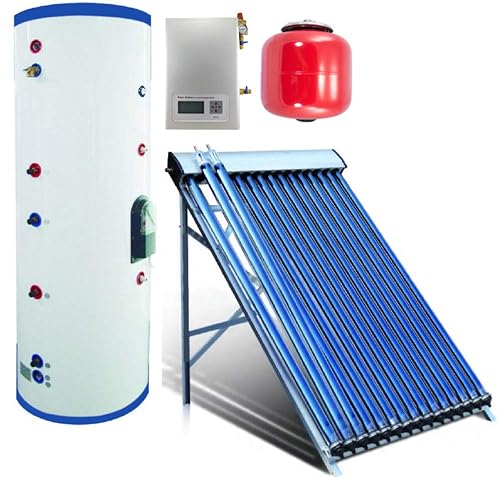 TOP CHOICEBest for larger households1000 Liter Water Heater Active Split System Single Coil Tank 45 Deg FrView on Amazon
- 3
 TOP CHOICEBest for camping and emergenciesSolar Kettle 16.9 Fl Oz Portable Solar Water Heater for Outdoor CampingView on Amazon
- 4
 Best budget pick4 Panel Standard SW-38 Hybrid Solar Water Heater Kit Single Row InstallationView on Amazon
- 5
 Best for pool-side supplemental heat30 Tube Water Heater Pool Collector Evacuated Vacuum Tubes HotView on Amazon
- 6
 Best passive pressurized option300 Liter SUS304 Passive Duda Solar Water Heater Attached PressurizedView on Amazon
Our Top Picks
| Product | Best for | Key feature |
|---|---|---|
| MISOL Solar Collector with 10 Evacuated Tubes | Balanced residential use | Heat pipe vacuum tubes |
| 1000 Liter Active Split System Single Coil Tank | Larger households | Active split system with single coil tank |
| Solar Kettle 16.9 Fl Oz Portable | Camping and emergencies | Portable, solar-powered thermos |
| 4 Panel Standard SW-38 Hybrid Solar Water Heater Kit | Budget installations | Single row, four-panel hybrid kit |
| 30 Tube Water Heater Pool Collector | Pool-side supplemental heat | 30 evacuated vacuum tubes |
| 300 Liter SUS304 Passive Duda Solar Water Heater | Passive pressurized systems | Attached pressurized SUS304 tank |
MISOL Solar Collector of Solar Hot Water Heater with 10 Evacuated Tubes
MISOL Solar Collector of Solar Hot Water Heater/with 10 Evacuated Tubes/Heat Pipe Vacuum Tubes
Best for: Balanced residential use with a moderate daily hot water load
This collector suits a single-family home or small household that wants a standalone evacuated tube collector to feed an existing tank or preheat water. It is a reasonable first step for a DIY-minded installer comparing collector sizes.
Key specs
- Ten evacuated vacuum tubes
- Heat pipe design
Pros
- Heat pipe tubes can be swapped individually if one fails
- Evacuated tubes retain heat better than flat plates in cold weather
- Compact footprint for smaller roofs
Cons
- Requires a separate storage tank and plumbing work
- Output drops noticeably on overcast days
Bottom line: A good pick for a homeowner building a modular system around a tank they already have.
1000 Liter Water Heater Active Split System Single Coil Tank 45 Deg Frame Evacuated Vacuum Tubes Hot SRCC Certified
1000 Liter Water Heater Active Split System Single Coil Tank 45 Deg Frame Evacuated Vacuum Tubes Hot SRCC Certified
Best for: Larger households with high daily hot water demand
This system is aimed at homes or small multi-unit buildings that need a large storage volume. The active split design separates the collector loop from the potable water, which owners of split systems generally cite as a freeze and scale protection benefit.
Key specs
- 1000 liter tank capacity
- Single coil heat exchanger
- 45-degree frame angle
- Evacuated vacuum tubes
- SRCC certified (per listing)
Pros
- Large storage buffers several cloudy days
- Split loop keeps potable water separate from the collector fluid
- SRCC certification signals third-party performance testing
Cons
- Large tank needs significant floor space and structural support
- Active pumping adds electrical use and a component to maintain
Bottom line: Best for households that want maximum storage and can accommodate a large tank and a pump.
Solar Kettle 16.9 Fl Oz Portable Solar Water Heater for Outdoor Camping
Solar Kettle –16.9 Fl Oz. Portable Solar Water Heater for Outdoor Camping, Hiking, Emergency Boiling, Survival Gear, Eco-Friendly Solar Powered Thermos Bottle
Best for: Camping, hiking, and emergency water heating
This is not a household system. It is a small portable unit for heating drinking water or a cup of tea outdoors. It belongs on this list only as a niche option for people who want a solar-only heater away from the house.
Key specs
- 16.9 fluid ounce capacity
- Portable thermos design
Pros
- Requires no plumbing or electrical connection
- Lightweight and easy to carry
- Useful as a backup in an outage
Cons
- Capacity is far too small for household hot water
- Heating speed depends heavily on sun intensity
Bottom line: Pick this only for outdoor or emergency use, not as part of a home hot water system.
4 Panel Standard SW-38 Hybrid Solar Water Heater Kit Single Row Installation
4 Panel Standard SW-38 Hybrid Solar Water Heater Kit- Single Row Installation
Best for: Budget installations where a complete kit is preferred
This four-panel hybrid kit suits a homeowner who wants a packaged set of collectors and fittings rather than sourcing components separately. It fits a single-row roof mounting layout.
Key specs
- Four panels
- Single row installation layout
Pros
- Packaged kit reduces the number of separate purchases
- Single row layout is straightforward to mount on a south-facing roof
- Hybrid design suits a range of household sizes
Cons
- Owners often note that kit documentation requires careful reading before installation
- Still requires a separate storage tank and controls
Bottom line: A sensible choice for a DIY installer working with a limited budget and a clear roof area.
30 Tube Water Heater Pool Collector Evacuated Vacuum Tubes Hot
30 Tube Water Heater Pool Collector Evacuated Vacuum Tubes Hot
Best for: Pool-side supplemental heat and light domestic use
This 30-tube collector is positioned for pool heating and supplemental water heating. It is a larger collector than the ten-tube option, and it suits households where a pool or spa is the main thermal load.
Key specs
- 30 evacuated vacuum tubes
Pros
- Higher tube count gives more collecting area per unit
- Evacuated tubes perform better than unglazed panels in cool weather
- Well suited to seasonal pool heating
Cons
- Pool-oriented design may need adaptation for potable water use
- Requires a plan for freeze protection in cold climates
Bottom line: Choose this for pool heating or as a supplement, and confirm the plumbing suits potable use before connecting to household water.
300 Liter SUS304 Passive Duda Solar Water Heater Attached Pressurized Tank Evacuated Tubes Hot
300 Liter SUS304 Passive Duda Solar Water Heater Attached Pressurized Tank Evacuated Tubes Hot
Best for: Passive pressurized systems with a built-in tank
This integrated unit combines evacuated tubes and a stainless steel tank in one assembly. Passive designs avoid pumps, which appeals to households that want fewer moving parts and no electricity draw for circulation.
Key specs
- 300 liter capacity
- SUS304 stainless steel tank
- Evacuated tubes
- Pressurized attached tank
Pros
- SUS304 stainless steel resists corrosion better than standard steel
- No circulation pump needed
- Pressurized design delivers water at household pressure
Cons
- Attached tank makes the whole unit heavy and roof loading must be checked
- Passive systems depend on the tank sitting above the collector for thermosiphon flow in many designs
Bottom line: A strong match for a homeowner who wants a self-contained passive system and has the roof structure to support it.
Buying Guide
Collector Type: Evacuated Tubes vs. Flat Plates
Evacuated tube collectors use a vacuum layer around each tube to reduce heat loss, which generally helps them perform better in cold or windy conditions. Flat plate collectors are often less expensive per square foot and handle sunny climates well. Match the type to your local winter temperatures.
Good picks for this: MISOL Solar Collector with 10 Evacuated Tubes, 30 Tube Water Heater Pool Collector
Storage Tank Capacity and Daily Demand
Estimate daily hot water use in gallons, then size the tank to hold at least one full day’s demand plus a buffer for cloudy days. Undersized tanks run cold quickly. Oversized tanks waste space and heat more slowly.
Good picks for this: 1000 Liter Water Heater Active Split System, 300 Liter SUS304 Passive Duda Solar Water Heater
Active vs. Passive Circulation
Active systems use a pump to move fluid between collector and tank, which allows the tank to sit anywhere. Passive systems rely on thermosiphon flow, so the tank must sit above the collector. Active designs need electricity and maintenance; passive designs need careful height and roof planning.
Good picks for this: 1000 Liter Water Heater Active Split System, 300 Liter SUS304 Passive Duda Solar Water Heater
Roof Space, Orientation, and Tilt
In the Northern Hemisphere, collectors generally face south, and a tilt close to your latitude suits year-round use. Measure your usable roof area and confirm it gets unshaded sun for most of the day before choosing a panel count.
Good picks for this: 4 Panel Standard SW-38 Hybrid Solar Water Heater Kit, MISOL Solar Collector with 10 Evacuated Tubes
Freeze Protection
Freezing is one of the most common failure modes owners describe in cold climates. Look for split or drainback designs, or a system with a glycol loop, and confirm the manufacturer’s freeze rating for your region.
Good picks for this: 1000 Liter Water Heater Active Split System, 4 Panel Standard SW-38 Hybrid Solar Water Heater Kit
Certification and Build Quality
Certifications such as SRCC (Solar Rating and Certification Corporation) indicate third-party performance testing. Stainless steel tanks and quality glass tubes resist corrosion and breakage better than cheaper materials, which matters over a 15 to 20 year lifespan.
Good picks for this: 1000 Liter Water Heater Active Split System, 300 Liter SUS304 Passive Duda Solar Water Heater
Intended Use: Household vs. Portable
Decide early whether you need a whole-home system or a small heater for outdoor use. Portable units cannot supply a household’s daily hot water, and whole-home systems are rarely practical for camping.
Good picks for this: Solar Kettle 16.9 Fl Oz Portable Solar Water Heater, MISOL Solar Collector with 10 Evacuated Tubes
FAQ
How much hot water can a solar thermal system supply?
Output depends on collector area, tank size, climate, and household demand. Many systems are designed to cover a significant share of annual hot water needs, with a conventional backup heater handling cloudy periods. Your local installer or the manufacturer’s sizing tables can give a figure for your home.
Do evacuated tubes work in winter?
Evacuated tubes generally retain heat better than flat plates in cold weather, so they often perform better in winter. Output still falls with shorter days and lower sun angles, so a backup heater is usually needed.
What is the difference between active and passive systems?
Active systems use a pump to circulate fluid and let the tank sit at any height. Passive systems rely on natural convection and require the tank to sit above the collector. Passive designs have fewer moving parts, while active designs offer more layout flexibility.
Do I need a permit to install a solar thermal system?
Requirements vary by city and county. Many jurisdictions require a permit for roof mounting or plumbing changes. Check with your local building department before starting work, and consult a licensed professional for plumbing and electrical connections.
How long do solar thermal systems last?
Manufacturers commonly specify lifespans in the range of 15 to 20 years for well-built collectors and tanks, though actual life depends on maintenance, water quality, and climate. Regular inspection of seals, fluid levels, and freeze protection extends service life.
Can I install a solar thermal system myself?
Some homeowners do DIY installs, particularly with packaged kits. Roof work, pressurized plumbing, and electrical connections carry real safety risks. If you are not experienced with these tasks, consult a qualified installer or licensed plumber.
Conclusion
For most homes, a solar thermal hot water system built around a quality evacuated tube collector and a properly sized tank offers the best balance of performance and simplicity. The MISOL ten-tube collector suits a modular build, the 1000 liter split system fits larger households, and the 300 liter passive unit suits owners who want no pump. The portable kettle and pool collector serve narrower needs. Match the pick to your roof space, climate, and daily demand, and confirm local permit and freeze requirements before buying.
Sources
- Federal guidance on solar water heating types, sizing, and efficiency considerations for homeowners (energy.gov)
- Research and performance data on solar thermal and water heating technologies (nrel.gov)
- Standards and engineering practice guidance for building water heating and solar thermal design (ashrae.org)
Before you buy: helpful guides
Related reading
- Top 5 Solar Thermal Storage Tanks for Home Hot Water Systems
- Top 3 Solar Thermal in Australias Compared for Home Hot Water
- 6 Best Solar Thermal Water Tanks for Home Hot Water Systems
- 6 Best Solar Thermal Panels for Hot Water in 2026
About Audrey Hayes
Audrey Hayes is part of our editorial team and reviews and edits our solar water heaters guides, checking product details against manufacturer specifications and owner feedback.