 By Audrey Hayes
Updated November 2026
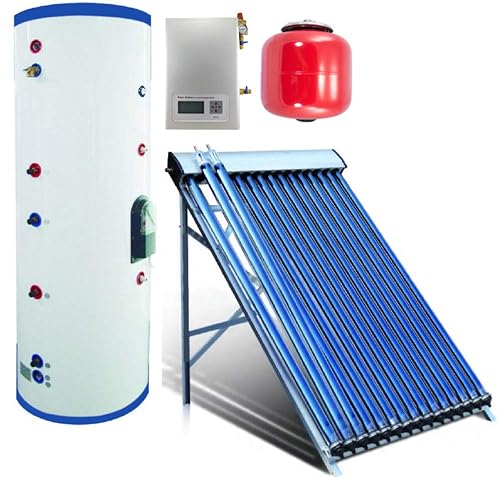
Thermal evacuated tube solar hot water systems use rows of glass tubes with a vacuum between two glass walls to capture sunlight and move heat into your water supply. In this guide you will learn how the tubes work, how to size a system for your household, what a basic installation involves, and which mistakes cost homeowners the most efficiency. The goal is to help you judge whether this design fits your roof, your climate and your hot water needs.
How Evacuated Tube Collectors Work
Each tube is a double-walled glass cylinder. The outer wall is transparent and lets sunlight through. The inner wall, coated with a selective absorber, turns that light into heat. The space between the walls is pumped down to a vacuum, which removes the air that would otherwise carry heat away by conduction and convection. Because of that vacuum, the tubes hold heat far better than a flat plate panel of similar area, and they keep working on cold, cloudy or windy days when a flat plate would lose more heat to the surrounding air.
Shopping for one? See our guide: 4 Best Solar Hot Water Evacuated Tube Systems (2026): Our Picks.
There are two common layouts. In a direct-flow design, water runs through a manifold that connects the tubes and goes straight to the storage tank. In a heat-pipe design, each tube contains a small sealed pipe with a working fluid that vaporizes when heated, rises to a header, and transfers its heat through a copper fitting to a manifold loop. Heat-pipe tubes are often easier to replace one at a time and tolerate partial freezing better, while direct-flow tubes tend to be simpler and slightly more efficient at low temperatures.
Step 1: Estimate Your Daily Hot Water Demand
Before you look at any hardware, measure how much hot water your household uses. Typical planning figures for a U.S. home are around 20 gallons per person per day at 120°F for showers, dishes and laundry, though your actual use may differ. Multiply occupants by that figure, then add a margin of about 20 percent for guests and seasonal changes.
- Count daily occupants and note any high-use fixtures, such as a soaking tub or frequent laundry loads.
- Note the temperature your existing heater delivers, since a solar system often needs a backup to reach the setpoint.
- Record your local climate: average winter sun hours, how often freezing occurs, and whether snow stays on the roof.
Step 2: Size the Collector Array and Storage Tank
Collector area and tank volume work together. A common rule of thumb for evacuated tube systems is to plan roughly 1.5 to 2 gallons of storage per square foot of collector area, though manufacturers’ sizing tables should override general guidance. For a household using about 60 gallons per day, a storage tank in the 80 to 120 gallon range paired with an array of 30 to 40 square feet of tube aperture is a typical starting point. Use the specific numbers from the manufacturer for the model you choose.
| Household size | Daily hot water (gal) | Typical storage tank (gal) | Typical collector area (sq ft) |
|---|---|---|---|
| 1–2 people | 25–40 | 40–60 | 15–20 |
| 3–4 people | 60–80 | 80–120 | 30–40 |
| 5+ people | 100+ | 120–180 | 45+ |
These ranges are planning estimates only. Confirm against a site-specific sizing calculation before buying.
Step 3: Choose Orientation, Tilt and Mounting
In the Northern Hemisphere, face the array south. A tilt angle near your latitude gives strong year-round performance, while a steeper tilt favors winter output and a shallower tilt favors summer. Evacuated tubes are less sensitive to orientation than flat plates because the cylindrical shape captures some light from multiple angles, but south-facing, unshaded roofs still deliver the best results. Check for shading from trees, chimneys and neighboring buildings at both sunrise and mid-afternoon.
Mounting hardware must resist wind uplift and carry the weight of the filled system. Water-filled storage can be heavy, so confirm the roof structure with a licensed contractor or structural engineer before adding load.
Step 4: Plan the Plumbing, Controls and Freeze Protection
A closed-loop system uses a heat-transfer fluid, usually a propylene glycol mix, in the collector loop, with a heat exchanger in the tank. This protects the potable water from fluid contamination and handles freezing. Open-loop direct systems drain back or rely on freeze valves in climates where temperatures drop below freezing. Whichever you choose, include:
- A differential controller that turns the pump on when the collector is hotter than the tank bottom.
- Temperature sensors at the collector and tank.
- Pressure relief and expansion tank sized for the glycol loop.
- Isolation valves and drain points for service.
- A tempering valve on the output to limit scald risk at the fixtures.
Plumbing codes and permit rules vary by jurisdiction. Check with your local building department and consult a licensed plumber or solar installer for gas or electric backup connections.
Step 5: Install and Commission the System
Tools and materials checklist
- Roof anchors, flashings and sealant rated for your roofing material.
- Manifold, tubes, mounting rails and clamps from the same manufacturer.
- Copper or PEX-approved piping for the loop, with insulation rated for high temperatures.
- Circulator pump, expansion tank, pressure relief valve and fill station.
- Differential controller, sensors and wiring.
- Propylene glycol heat-transfer fluid rated for your lowest expected temperature.
- Torque driver, pipe cutter, flaring or soldering tools, and a multimeter.
Commissioning sequence
- Mount the rails and flash each penetration before setting the manifold.
- Insert the tubes and confirm they seat fully in the manifold or header.
- Pressure test the loop with air or water before adding fluid.
- Fill with heat-transfer fluid, purge air at high points, and check the pressure gauge.
- Wire the controller, confirm sensor readings, and run a manual pump test.
- Check the tempering valve and log initial tank temperatures over several sunny days.
Common Mistakes
- Undersizing the tank. A small tank reaches temperature quickly but runs out during peak use.
- Ignoring shade. A single shadow across a manifold can cut output more than expected.
- Skipping freeze protection. Water left in exposed piping can burst lines or tubes.
- Using the wrong glycol. Automotive antifreeze is toxic and degrades seals; use propylene glycol rated for solar loops.
- Forgetting the tempering valve. Stored solar water can exceed safe fixture temperatures on sunny days.
- Overlooking roof load. A full storage tank adds substantial weight that the roof may not have been designed to carry.
Recommended gear
- Propylene glycol solar heat-transfer fluid: Keeps the collector loop from freezing and avoids the toxicity risks of automotive coolant. View on Amazon
- Solar differential temperature controller: Runs the pump only when the collector is hotter than the tank, which protects efficiency. View on Amazon
- Thermal insulation tape for high-temperature piping: Limits heat loss in the outdoor loop lines. View on Amazon
FAQ
How much sunlight do evacuated tube systems need?
They perform best in full sun but still produce useful heat on overcast days, which is one of their main advantages over flat plate designs. Owners in cloudy regions often add a backup heater to cover the gaps.
Do evacuated tubes work in freezing weather?
Yes, when the system includes proper freeze protection, such as a glycol loop or drain-back design. The vacuum insulation helps the tubes retain heat in cold conditions.
Can I replace a single broken tube?
Heat-pipe designs usually allow individual tube replacement, while many direct-flow designs require more work. Check the manufacturer’s service instructions before purchase.
Do I need a backup water heater?
Most homes do, because solar output varies with weather and season. A backup gas, electric or heat pump unit ensures hot water on low-sun days.
How long do evacuated tubes last?
Manufacturers commonly specify service lives in the range of 10 to 20 years for the tubes, with pumps and controls needing earlier attention. Actual life depends on climate, installation quality and maintenance.
Is a permit required?
In many areas it is. Contact your local building or plumbing department before starting work, and consult a licensed professional to confirm code compliance and structural loading.
Can I install it myself?
Some homeowners with plumbing and roofing experience complete parts of the job, but roof penetrations, gas or electrical connections and structural checks often call for a licensed contractor. Consult a professional for those steps.
Conclusion
Thermal evacuated tube solar hot water systems offer strong heat retention and reliable performance in cool or cloudy conditions when they are sized, oriented and protected correctly. Start with an honest estimate of your hot water demand, match tank volume and collector area to that load, and plan freeze protection and controls before buying parts. Verify structural, permit and electrical requirements with local professionals before you begin.
Ready to choose one?
Related reading
About Audrey Hayes
Audrey Hayes is part of our editorial team and reviews and edits our solar water heaters guides, checking product details against manufacturer specifications and owner feedback.