 By Audrey Hayes
Updated November 2026
A buffalo solar hot water system in Sri Lanka is a solar water heater built around a collector and storage tank designed for the island’s climate, and this guide walks you through how it works, how to size it for your household, what to check during installation, and how to avoid the mistakes that cut performance. By the end you will know what to ask a supplier, what to inspect on delivery, and how to plan a setup that delivers reliable hot water for most of the year.
What a Buffalo Solar Hot Water System Is
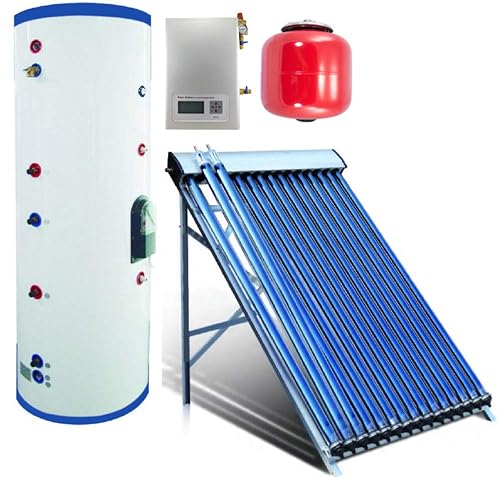
“Buffalo” is a name you will see on solar water heater products sold in Sri Lanka, usually referring to a flat-plate or evacuated-tube collector paired with a insulated storage tank. The basic principle is the same as any solar thermal system: sunlight heats a fluid or water in the collector, and that heat moves into a tank where it waits for use. Because Sri Lanka receives strong direct sun for much of the year, these systems are a practical way to cover most of a household’s daily hot water demand, with a backup heater handling cloudy days and the monsoon period.
Shopping for one? See our guide: 6 Best Indirect Solar Hot Water System Options for Homes (2026).
Before buying, confirm the exact model, the collector area, the tank capacity in litres, and whether the unit is a direct (open-loop) or indirect (closed-loop) design. The configuration determines how the system handles freezing and scale, which matters more in some parts of the island than others.
Step 1: Estimate Your Hot Water Demand
Sizing starts with how much hot water your household uses per day. A common planning figure for a shower is roughly 40 to 60 litres per person per day at comfortable temperatures, though actual use varies widely. Add kitchen and wash-basin use if you plan to supply those points.
A simple method:
- List every hot water outlet you plan to supply: bathrooms, kitchen sink, laundry.
- For each person, estimate litres per shower and how many showers per day.
- Add a 20 percent margin for guests and seasonal changes.
- Compare the total with the usable storage volume of the tank you are considering.
For more detail on converting this into a tank and collector size, see What Size Solar Hot Water System Do I Need? A Step-by-Step Sizing Guide.
Step 2: Check Your Site
Roof Orientation and Shading
In Sri Lanka, a collector facing north is generally the best choice in the southern hemisphere’s typical pattern, while east or west orientations lose some output. Confirm that no tree, neighbouring building or water tank casts shadow on the collector between about 9 am and 3 pm. Even partial shade on one tube or panel can reduce output more than you expect.
Roof Load and Mounting
A filled tank is heavy. Have a qualified person check that the roof structure or stand can carry the combined weight of the tank, water and collector, and that the mounting points are secured against wind. Our article on Weight of Solar Hot Water System: How to Estimate It Before You Install explains the arithmetic.
Pipe Runs and Backup Heating
Plan the shortest practical pipe route from the collector to the tank and from the tank to the outlets. Long runs lose heat. Decide where the backup electric or gas heater will sit, and whether a thermostat or timer will control it.
Step 3: Choose the Right Configuration
Each configuration has trade-offs:
| Configuration | Strengths | Watch for |
|---|---|---|
| Direct (open-loop) flat-plate | Simple, efficient in warm climates | Water quality affects scale; not suited to freezing |
| Indirect (closed-loop) with heat-transfer fluid | Better scale protection, more flexible siting | Extra heat exchanger; fluid needs periodic checks |
| Evacuated-tube | Good performance on overcast days | Tubes are fragile; replacement parts must be sourced |
In most Sri Lankan homes, freezing is not a concern, so a direct system is common. If your water is hard, an indirect design or a water softener may extend service life.
Step 4: Prepare for Installation
Gather the following before the installer arrives:
- Manufacturer’s manual and warranty card
- Roof access permission and a clear work area
- Pipe, fittings, pressure-relief valve and expansion provision as specified by the supplier
- Electrical supply for the backup heater, installed by a licensed electrician
- Tank stand or frame rated for the filled weight
- Sealant, pipe insulation and cable ties
- Access to a water supply with adequate pressure
Step 5: Install and Commission
Mounting the Collector and Tank
Fix the collector at the tilt angle the manufacturer specifies, usually close to your latitude for year-round performance. Secure the tank to its frame, then connect the inlet and outlet pipes. Use the recommended pipe sizes and insulate all hot lines to reduce heat loss.
Filling and Testing
Fill the system slowly to bleed air. Open a hot tap at a high point to clear trapped air, then check every joint for leaks. Confirm the pressure-relief valve works and that overflow discharges to a safe point. Set the backup heater thermostat, typically between 55 and 60 degrees Celsius for household use, unless your manual states otherwise.
Commissioning Checks
- Confirm water flows through the collector on a sunny morning.
- Measure the temperature at the tank outlet after several hours of sun.
- Check the backup heater switches on and off correctly.
- Record the readings so you have a baseline for later comparison.
Step 6: Maintain the System
Inspect the collector glass or tubes every few months for cracks, dust build-up and debris. Clean with clean water and a soft cloth. Check pipe insulation for damage, especially where it is exposed to UV. If you have an indirect system, check the heat-transfer fluid level and condition according to the manual. Schedule a professional service at least once a year.
Common Mistakes
- Undersizing the tank, which leaves you short on evening demand.
- Installing the collector in partial shade from a tree or nearby structure.
- Using undersized pipes, which restrict flow and cut output.
- Skipping the pressure-relief valve or routing its discharge into an enclosed space.
- Setting the backup heater too high, which wastes energy and risks scalding.
- Ignoring water hardness, leading to scale in the collector or tank.
- Mounting the tank on a roof not rated for the filled weight.
Tips for Better Performance
- Insulate all hot pipes, including fittings and valves.
- Use a timer or thermostat so the backup heater runs only when needed.
- Keep the collector clean; dust and salt residue reduce output in coastal areas.
- Compare warranty terms, including what is covered for tank leaks and collector damage.
- For a wider comparison of options, see What's the Best Solar Hot Water System? 3 Top Picks Compared (2026).
Recommended gear
These items help with the maintenance and monitoring side of a solar water heater. Check that any product you buy suits your pipe sizes and voltage.
- Digital pipe thermometer — clamps onto a pipe so you can check outlet temperature without guessing. View on Amazon
- Pipe insulation foam sleeves — reduce heat loss along exposed hot lines. View on Amazon
- Solar panel cleaning brush with telescopic pole — helps you reach the collector safely from the ground for routine cleaning. View on Amazon
- Adjustable pipe-clamp pressure gauge — lets you check system pressure during commissioning and service. View on Amazon
FAQ
Does a buffalo solar hot water system work during the monsoon?
Output drops on heavily overcast days, so most households keep a backup heater for those periods. Evacuated-tube designs tend to perform better in diffuse light than flat-plate units.
How long does a typical solar water heater last?
Service life depends on build quality, water chemistry and maintenance. Manufacturers usually state a warranty period for the tank and collector, and you should confirm the terms before purchase.
Do I need an electrician?
Yes. Any electric backup heater must be wired by a licensed electrician, and the circuit should be protected as required by local regulations.
Can I install it myself?
Basic plumbing and mounting can be DIY-friendly for experienced people, but roof work and electrical connections carry real risk. Consult a qualified professional, particularly for roof loading and electrical work.
How do I stop scale from building up?
Use an indirect system if your water is hard, or fit a suitable water treatment unit. Flush the system as the manual directs.
What temperature should I set the backup heater to?
Many households use 55 to 60 degrees Celsius. Higher settings waste energy and increase scald risk. Follow the manufacturer’s guidance.
Where can I check current prices and availability?
Check with local authorised dealers and the manufacturer’s official channels for current models, specifications and warranty details. Call ahead to confirm stock.
Conclusion
A buffalo solar hot water system in Sri Lanka can supply most of a household’s hot water when it is sized correctly, sited away from shade, and maintained on a regular schedule. Work through the sizing, site checks and commissioning steps in order, and keep the backup heater set sensibly. For professional advice on roof loading and electrical work, consult a qualified installer before you start.
Ready to choose one?
Related reading
About Audrey Hayes
Audrey Hayes is part of our editorial team and reviews and edits our solar water heaters guides, checking product details against manufacturer specifications and owner feedback.