 By Audrey Hayes
Updated November 2026
Choosing a solar thermal integrated system for power generation means weighing very different kinds of products. Some are reference books for engineers, some are complete off-grid electrical kits, and one is a solar pool heater kit that people sometimes repurpose for thermal work. This guide sorts them by how well they match a practical set of criteria: relevance to thermal and integrated design, completeness of the system described, clarity of the specifications, the reputation of the publisher or brand, and the patterns owners and readers commonly report. Nothing here is based on our own lab testing. It is a research-based comparison meant to help you match a product to a real need.
Our top picks at a glance
- 1
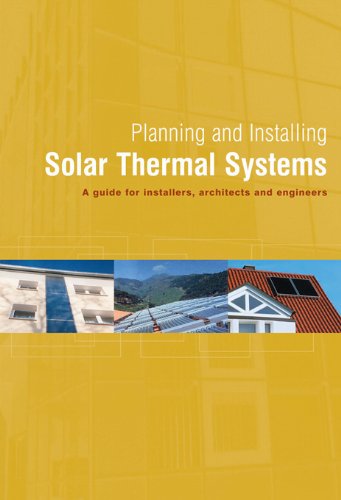
 TOP CHOICEBest overallPlanning and Installing Solar Thermal Systems: A Guide for Installers,View on Amazon
- 2
 TOP CHOICEBest for engineersSolar Power System Planning & Design: Resource Assessment, Site EvaluaView on Amazon
- 3
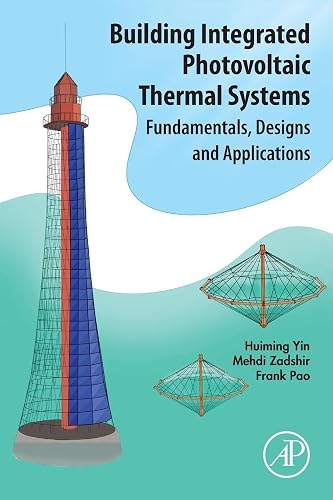 TOP CHOICEBest for integrated building designBuilding Integrated Photovoltaic Thermal Systems: Fundamentals, Designs and ApplicationsView on Amazon
- 4
 Best for grid-connected projectsLarge-Scale Solar Power System Design (GreenSource Books): An EngineerView on Amazon
- 5
 Best for whole-home off-grid powerECO-WORTHY 10KW Output Off Grid Solar System Complete KitView on Amazon
- 6
 Best for mid-size off-grid backupSUNGOLDPOWER 8000W Off Grid system Complete Solar KitView on Amazon
- 7
 Best budget pick for pool-style thermal heatingIndustrial Grade Solar Pool Heater DIY KitView on Amazon
Our Top Picks
| Product | Best for | Key feature |
|---|---|---|
| Planning and Installing Solar Thermal Systems | Installers, architects and engineers | Practical guidance on thermal system design and installation |
| Solar Power System Planning & Design | Engineers planning power projects | Covers resource assessment through feasibility studies |
| Building Integrated Photovoltaic Thermal Systems | Architects and building designers | Combines electrical and thermal output in building envelopes |
| Large-Scale Solar Power System Design | Grid-connected project planning | Engineering approach to grid-tied generation |
| ECO-WORTHY 10KW Off Grid Solar System Complete Kit | Whole-home off-grid electricity | 10KW split-phase inverter with 20.48kWh storage |
| SUNGOLDPOWER 8000W Off Grid Solar Kit | Mid-size off-grid backup | 8000W 120V/240V inverter with 8 bifacial panels |
| Industrial Grade Solar Pool Heater DIY Kit | Budget thermal heating projects | Strapless mounting and freeze resistance |
Planning and Installing Solar Thermal Systems: A Guide for Installers, Architects and Engineers
Planning and Installing Solar Thermal Systems: A Guide for Installers, Architects and Engineers
Best for: Overall thermal system design and installation planning
This is the most directly relevant title on the list for anyone whose project centers on heat capture. It suits installers who need a reference for layout and commissioning, and architects who must coordinate collectors with roofing and plumbing.
Key specs:
- Subject: solar thermal collectors and system installation
- Audience: installers, architects and engineers
- Format: printed technical guide
Pros:
- Focused on thermal rather than purely electrical systems
- Useful for the design-to-installation handoff
- Written for multiple professional roles
Cons:
- Not a power-generation text in the electrical sense
- Depth may exceed what a homeowner needs
Bottom line: Pick this if your project is primarily about capturing and moving heat, and you want a practical installation reference.
Solar Power System Planning & Design: Resource Assessment, Site Evaluation, System Design, Production Forecasting and Feasibility Studies
Solar Power System Planning & Design: Resource Assessment, Site Evaluation, System Design, Production Forecasting and Feasibility Studies
Best for: Engineers who need a full planning workflow
Based on its title, this book walks through the stages that come before construction: measuring the solar resource, evaluating the site, designing the system and forecasting output. It fits readers who must justify a project on paper before buying equipment.
Key specs:
- Topics: resource assessment, site evaluation, production forecasting, feasibility
- Audience: engineers and project planners
Pros:
- Covers the full planning lifecycle
- Strong on forecasting and feasibility
- Useful for project documentation
Cons:
- Primarily photovoltaic-oriented in its framing
- Requires an engineering background to use fully
Bottom line: The right choice for anyone who must produce a feasibility study or production estimate before committing to a system.
Building Integrated Photovoltaic Thermal Systems: Fundamentals, Designs and Applications
Building Integrated Photovoltaic Thermal Systems: Fundamentals, Designs and Applications
Best for: Integrated building designs that combine electrical and thermal output
Photovoltaic-thermal (PVT) hybrids are the closest match to the “integrated” part of this topic. Readers working on building-integrated envelopes will find the fundamentals and application examples most useful.
Key specs:
- Topics: PVT fundamentals, design approaches, applications
- Focus: building-integrated configurations
Pros:
- Directly addresses combined electrical and thermal generation
- Strong fit for building-integrated design
- Covers fundamentals before applications
Cons:
- Academic in tone for some readers
- Less focused on residential installation steps
Bottom line: Best for designers and engineers working on integrated PVT building systems rather than standalone hot water.
Large-Scale Solar Power System Design (GreenSource Books): An Engineering Guide for Grid-Connected Solar Power Generation
Large-Scale Solar Power System Design (GreenSource Books): An Engineering Guide for Grid-Connected Solar Power Generation (McGraw-Hill's Greensource)
Best for: Grid-connected generation projects
This engineering guide targets larger grid-tied arrays. It is useful if your goal is to understand how generation scales and connects to a utility network, rather than to heat water on site.
Key specs:
- Focus: grid-connected solar power generation
- Scale: large installations
- Series: McGraw-Hill GreenSource
Pros:
- Clear engineering orientation
- Covers grid interconnection concerns
- Part of a recognized publisher series
Cons:
- Mostly photovoltaic rather than thermal
- Overkill for a single-home thermal project
Bottom line: Suited to engineers and utility-scale planners, less so to homeowners.
ECO-WORTHY 10KW Output Off Grid Solar System Complete Kit
ECO-WORTHY 10KW Output Off Grid Solar System Complete Kit:10KW 120V/240V Output Split Phase Inverter| 4Pcs 48V 100Ah 20.48kWh High Capacity Energy Storage| 5310 Watts Solar Panel PV
Best for: Whole-home off-grid electricity
This is a complete electrical kit rather than a thermal system. It fits households that want a full off-grid power supply and are willing to size storage and loads carefully.
Key specs:
- Inverter output: 10KW, 120V/240V split phase
- Storage: 4 x 48V 100Ah (20.48kWh)
- Panels: 5310 watts of solar PV
Pros:
- Large, complete system in one listing
- Split-phase output suits typical US homes
- Substantial storage capacity
Cons:
- Electrical rather than solar thermal
- Installation requires licensed electrical work
Bottom line: For homeowners who need whole-home electricity off grid and understand the difference between PV and thermal generation.
SUNGOLDPOWER 8000W Off Grid system Complete Solar Kit
SUNGOLDPOWER 8000W Off Grid system Complete Solar Kit,1*8000W 120V/240Vac Solar inverter UL1741+8*450W Bifacial solar panel (3320W) +2*100Ah 51.2V Server Rack Battery,For House storage(SGR-8K10E)
Best for: Mid-size off-grid backup systems
A smaller complete kit that suits cabins, workshops or partial-home backup. Like the ECO-WORTHY kit, it is photovoltaic and electrical rather than thermal.
Key specs:
- Inverter: 8000W, 120V/240Vac, UL1741 listed
- Panels: 8 x 450W bifacial (3320W total)
- Storage: 2 x 100Ah 51.2V battery
Pros:
- UL1741 listed inverter per the listing
- Bifacial panels in the kit
- Scaled for partial loads
Cons:
- Not a thermal system
- Storage is modest for full-time whole-home use
Bottom line: A sensible middle option for off-grid backup if your priority is electricity, not heat.
Industrial Grade Solar Pool Heater DIY Kit
Industrial Grade Solar Pool Heater DIY Kit – Superior High-Wind Strapless Mounting System & Maximum Freeze Resistance (2-4'x7.5' / 60 Square Feet)
Best for: Budget thermal heating projects
This is the only true thermal product on the list. It is a pool heating kit, so it suits builders who want to explore low-temperature solar collection and are willing to adapt the approach to a different load.
Key specs:
- Coverage: 2-4 ft x 7.5 ft, about 60 square feet
- Features: strapless mounting, freeze resistance
Pros:
- Genuine solar thermal collection
- Designed for wind and freeze conditions
- Accessible entry point for DIY builders
Cons:
- Designed for pools, not power generation
- Would need engineering to connect to a storage or generation loop
Bottom line: A practical thermal collector for experimenters, not a finished power generation system.
Buying Guide
Know whether you need heat or electricity
Solar thermal systems capture heat, typically through fluid-filled collectors, and that heat can drive a turbine or heat water. Photovoltaic systems convert light directly into electricity. A “solar thermal integrated system for power generation” can mean either a hybrid or a thermal loop feeding a generator, so confirm which physics your project actually uses before comparing products.
Good picks for this: Planning and Installing Solar Thermal Systems; Building Integrated Photovoltaic Thermal Systems
Check the system scope and completeness
Books cover design knowledge, while kits deliver hardware. Decide whether you need theory to plan a project or equipment to build one. A kit should list every major component, and a reference should cover the stages you need, such as resource assessment or installation.
Good picks for this: Solar Power System Planning & Design; ECO-WORTHY 10KW Off Grid Solar System Complete Kit
Match capacity to your actual load
For electrical kits, add up the wattage of the appliances you intend to run and estimate daily kilowatt-hours. Compare that to inverter output and battery capacity. Check whether the inverter supplies 120V, 240V or both. Oversizing raises cost and complexity, while undersizing leaves loads unpowered.
Good picks for this: SUNGOLDPOWER 8000W Off Grid Solar Kit; ECO-WORTHY 10KW Off Grid Solar System Complete Kit
Look for recognized electrical certification
For inverters and grid-tied equipment, confirm listings to recognized safety standards. The SUNGOLDPOWER listing states UL1741, a standard covering inverters for distributed generation. Certifications help your local inspector accept the equipment and reduce fire and shock risk.
Good picks for this: SUNGOLDPOWER 8000W Off Grid Solar Kit; Large-Scale Solar Power System Design
Consider mounting and climate durability
Thermal collectors and panels face wind loads, snow and freeze-thaw cycles. Look for documented wind ratings, freeze resistance and mounting hardware suited to your roof or ground conditions. Strapless mounting systems are designed to reduce wind uplift on some collector types.
Good picks for this: Industrial Grade Solar Pool Heater DIY Kit; Planning and Installing Solar Thermal Systems
Plan for storage and backup
Thermal systems store heat in tanks, while electrical systems store energy in batteries. Battery banks should be sized in amp-hours at a stated voltage, and you should understand depth of discharge. Thermal storage tanks need insulation and sizing to hold heat between sunny periods.
Good picks for this: ECO-WORTHY 10KW Off Grid Solar System Complete Kit; SUNGOLDPOWER 8000W Off Grid Solar Kit
Evaluate design and feasibility resources
Before buying hardware, a feasibility study estimates output, payback and site suitability. Resource assessment uses local solar irradiance data, and shading and orientation affect yield. Reference texts on planning are valuable for anyone who must justify an investment or permit.
Good picks for this: Solar Power System Planning & Design; Large-Scale Solar Power System Design
FAQ
What is a solar thermal integrated system for power generation?
It is a setup that captures solar heat and integrates that heat collection with a power generation process, such as driving a heat engine, or a hybrid design that also produces electricity. Specific configurations vary widely, so check the design before buying equipment.
Is a solar pool heater kit a power generation system?
No. A pool heater kit collects heat for water at low temperatures. It can be part of a thermal experiment, but it does not produce electricity on its own.
What is the difference between solar thermal and photovoltaic systems?
Solar thermal systems collect heat from sunlight, while photovoltaic panels convert light directly into electricity. Hybrid photovoltaic-thermal designs do both in one assembly.
Do I need a permit for a home solar power system?
Many jurisdictions require electrical permits and inspections for grid-tied or battery-backed systems. Check with your local building department. This is general information, so consult a licensed electrician or your permitting office before installing.
Which books suit a beginner?
A beginner should start with a practical installation guide and then move to planning texts once comfortable with the basics. Matching the reading level to your background helps avoid frustration.
How do I size a battery bank for off-grid power?
Estimate your daily energy use in kilowatt-hours, add a margin for cloudy days, and select battery capacity accordingly. Always confirm sizing with a qualified installer, especially for high-voltage systems.
Are off-grid kits safe for DIY installation?
High-voltage electrical work carries serious shock and fire risk. Many owners hire licensed electricians for the connection and inspection stages. Consult a professional before connecting any system to your home wiring.
Conclusion
For thermal design and installation, Planning and Installing Solar Thermal Systems is the most directly relevant title. Engineers who must produce feasibility and production estimates should look at Solar Power System Planning & Design. Building designers working on integrated envelopes will get the most from Building Integrated Photovoltaic Thermal Systems. For electricity needs, the ECO-WORTHY 10KW and SUNGOLDPOWER 8000W kits suit whole-home and partial-home off-grid use respectively. The pool heater kit is a budget thermal collector for experimenters, not a finished power plant. Match the product to whether your project needs heat, electricity or design knowledge.
Sources
- Federal guidance on solar energy technologies, including thermal and photovoltaic approaches (energy.gov)
- Research data on solar resource assessment and system performance (nrel.gov)
- Safety certification standards relevant to inverters and electrical equipment (ul.com)
Before you buy: helpful guides
Related reading
- Top 6 Solar Thermal Power Generation System Options Compared for 2026
- 6 Best Solar Thermal Power System Options for Homes (2026)
- 6 Best Solar Power Thermal Generation Books and References Compared (2026)
- Why Are Integrated Solar Thermal Panels Underperforming? 5 Causes and Fixes
About Audrey Hayes
Audrey Hayes is part of our editorial team and reviews and edits our solar water heaters guides, checking product details against manufacturer specifications and owner feedback.