 By Audrey Hayes
Updated November 2026
Choosing a solar water heater for home and pool use means balancing two different jobs: hot tap water for showers and dishes, and enough heat to extend your swimming season without running up the gas or electric bill. This list compares five products across those needs. The selection criteria were tank or collector capacity, suitability for household or pool duty, the evacuated tube or flat-plate design, how each unit is mounted and plumbed, and the feedback owners commonly share about durability and setup. This is a research-based comparison built from listing specifications, brand reputation and owner feedback patterns, not from hands-on testing.
Our top picks at a glance
- 1
 TOP CHOICEBest overallMISOL Solar Collector of Solar Hot Water Heater with 10 Evacuated TubesView on Amazon
- 2
 TOP CHOICEBest for large pools30 Tube Water Heater Pool Collector Evacuated Vacuum TubesView on Amazon
- 3
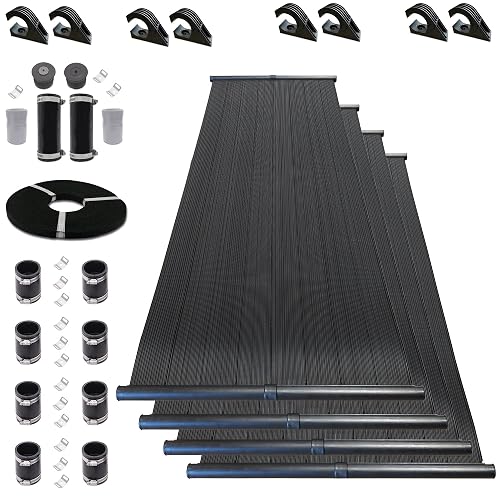 TOP CHOICEBest DIY pool buildHighest Performing Design DIY Solar Pool Heater KitView on Amazon
- 4
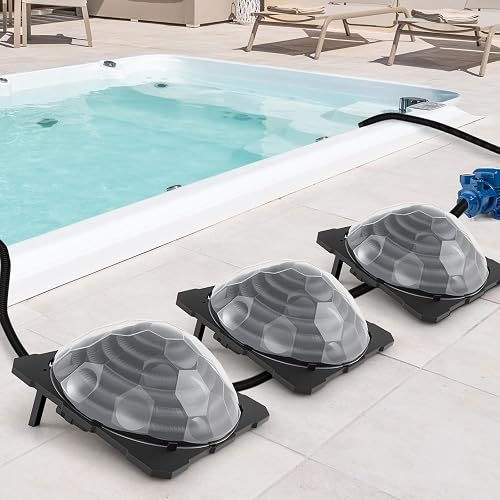 Best for above-ground poolsOutdoor Swimming Heater with Dome Cover, Foldable Legs and Rotatable Hose ConnectorsView on Amazon
- 5
 Best for whole-home hot water300 Liter SUS304 Passive Duda Solar Water Heater Attached Pressurized Tank Evacuated TubesView on Amazon
Our Top Picks
| Product | Best for | Key feature |
|---|---|---|
| MISOL Solar Collector of Solar Hot Water Heater with 10 Evacuated Tubes | Balanced home hot water | 10 evacuated tubes with heat pipes |
| 30 Tube Water Heater Pool Collector Evacuated Vacuum Tubes | Large pools | 30-tube evacuated collector array |
| Highest Performing Design DIY Solar Pool Heater Kit | Do-it-yourself pool heating | Header and panel kit with a long rated service life |
| Outdoor Swimming Heater with Dome Cover | Above-ground and in-ground pools | Dome cover, foldable legs and rotatable hose connectors |
| 300 Liter SUS304 Passive Duda Solar Water Heater | Whole-household hot water | 300-liter stainless steel pressurized tank |
MISOL Solar Collector of Solar Hot Water Heater with 10 Evacuated Tubes
MISOL Solar Collector of Solar Hot Water Heater/with 10 Evacuated Tubes/Heat Pipe Vacuum Tubes
Best for: Balanced home hot water
This unit suits a small to mid-sized household that wants a compact rooftop or ground-mounted collector for daily hot water, with a modest pool top-up as a secondary use.
Key specs
- Ten evacuated glass tubes with heat pipe absorbers
- Designed as a solar collector for a solar hot water system
Pros
- Evacuated tube design holds heat well in cool weather
- Compact footprint fits smaller roofs
- Heat pipe tubes can be replaced individually in many designs
Cons
- Ten tubes give limited output for large pools
- Requires a separate storage tank and plumbing
Bottom line: A good pick for a household that wants reliable domestic hot water first and a little pool warming second.
30 Tube Water Heater Pool Collector Evacuated Vacuum Tubes
30 Tube Water Heater Pool Collector Evacuated Vacuum Tubes Hot
Best for: Large pools
This collector suits pool owners with a larger body of water who want to extend the swimming season, and who have a suitable roof or rack for a multi-tube array.
Key specs
- Thirty evacuated vacuum tubes
- Designed for pool water heating applications
Pros
- Large tube count gives more heating surface
- Evacuated tubes keep working in cooler air temperatures
- Suited to pool circulation loops
Cons
- Larger array needs a sturdy mount and more roof space
- Requires a circulation pump and proper plumbing to work well
Bottom line: Best for pool owners who need serious heat gain and have the space and mounting to support a bigger collector.
Highest Performing Design DIY Solar Pool Heater Kit
Highest Performing Design – DIY Solar Pool Heater Kit – 15-20 Year Life Expectancy (4-4×10 / 1.5" I.D. Header)
Best for: Do-it-yourself pool heating
This kit suits a handy homeowner who wants to build a pool heating panel array with a known header size and a long rated service life, and who is comfortable with plumbing and roof or ground mounting.
Key specs
- Panel and header kit listed with a 1.5-inch inside diameter header
- Listing states a 15 to 20 year life expectancy
Pros
- Header size is stated clearly for planning flow
- Kit format lets you size the array to your pool
- Commonly built into pool loops with standard fittings
Cons
- Assembly and leak testing take real time and care
- Installation quality directly affects performance and safety
Bottom line: The right choice for a confident DIY builder who wants a custom-sized pool array rather than a finished unit.
Outdoor Swimming Heater with Dome Cover, Foldable Legs and Rotatable Hose Connectors
Outdoor Swimming Heater with Dome Cover, Foldable Legs & Rotatable Hose Connectors for Easy Setup Solar Pool Heater with Dome Cover for Above-Ground & Inground Pools
Best for: Above-ground pools
This heater suits owners of above-ground or in-ground pools who want a portable, low-effort setup that can be positioned in sun and moved when needed.
Key specs
- Dome cover to limit heat loss
- Foldable legs and rotatable hose connectors for setup flexibility
Pros
- Foldable legs make placement and storage easier
- Rotatable connectors simplify hose routing
- Dome cover helps retain heat overnight
Cons
- Output depends heavily on sunlight and pool volume
- Connector fit should be checked against your hose and pump size
Bottom line: A practical pick for pool owners who want a simple, adjustable solar setup without roof mounting.
300 Liter SUS304 Passive Duda Solar Water Heater Attached Pressurized Tank Evacuated Tubes
300 Liter SUS304 Passive Duda Solar Water Heater Attached Pressurized Tank Evacuated Tubes Hot
Best for: Whole-household hot water
This system suits a household that needs a larger daily hot water supply from a passive system with an attached tank, and that can mount the unit on a sunny roof.
Key specs
- 300-liter tank capacity
- SUS304 stainless steel construction, with evacuated tubes
Pros
- Large tank capacity covers multi-person daily use
- Stainless steel tank resists corrosion
- Pressurized design supports standard fixture pressure
Cons
- Heavy when full, so the roof structure must be checked
- Requires a backup heat source for cloudy stretches
Bottom line: Best for a family that wants a large, durable tank for household hot water and can plan for backup heating.
Buying Guide
Before you buy, decide whether the unit serves domestic hot water, pool heating, or both. Each use sets different flow, temperature and storage requirements. Work through the factors below.
Intended use: domestic water or pool
Domestic hot water needs a storage tank and a dependable temperature for showers and dishes. Pool heating runs through a circulation loop and is judged by how many degrees it adds over a day. Match the product to the use you care about most.
Good picks for this: 300 Liter SUS304 Passive Duda Solar Water Heater, Outdoor Swimming Heater with Dome Cover
Collector type: evacuated tubes or flat plate
Evacuated tube collectors use a vacuum layer that cuts heat loss, which helps in cool or windy weather. Flat-plate collectors are often simpler and can be cheaper to repair in some builds. Check which design the listing describes.
Good picks for this: MISOL Solar Collector of Solar Hot Water Heater with 10 Evacuated Tubes, 30 Tube Water Heater Pool Collector Evacuated Vacuum Tubes
Size and pool volume
Under-sizing is the most common mistake. For a pool, compare collector area to pool volume and the number of days you want to extend the season. For a home, count daily liters per person and size the tank to cover a sunny-day peak. Use a pool solar heater calculator as a starting point.
Good picks for this: 30 Tube Water Heater Pool Collector Evacuated Vacuum Tubes, Highest Performing Design DIY Solar Pool Heater Kit
Mounting and roof load
A full tank and collector array can weigh a great deal. Confirm the roof structure, the orientation (most installations face the equator-facing side), and the tilt angle before buying. Ground mounts avoid roof loading but need clear sun.
Good picks for this: 300 Liter SUS304 Passive Duda Solar Water Heater, Outdoor Swimming Heater with Dome Cover
Materials and durability
Stainless steel tanks and headers resist corrosion better than basic steel, especially in pool chemistry or coastal air. Check the listed materials and the stated design life. Treat any life expectancy as a manufacturer claim, not a guarantee.
Good picks for this: 300 Liter SUS304 Passive Duda Solar Water Heater, Highest Performing Design DIY Solar Pool Heater Kit A related read: 7 Best Solar Water Heaters for Inflatable Pool Options Compared (2026).
Backup heating and climate
Solar output drops on cloudy days and in winter. Plan for a backup heater, either an electric element or a gas heater, if you need steady hot water. For pools, a cover at night reduces heat loss far more than extra collector area in many cases.
Good picks for this: MISOL Solar Collector of Solar Hot Water Heater with 10 Evacuated Tubes, Outdoor Swimming Heater with Dome Cover
Installation skill and plumbing
DIY kits reward careful planning, leak testing and correct pipe sizing. Pressurized systems need pressure-rated fittings and a relief valve. If you are unsure, have a licensed plumber or installer review the design. Consult a professional before connecting any system to your home’s water supply.
Good picks for this: Highest Performing Design DIY Solar Pool Heater Kit, MISOL Solar Collector of Solar Hot Water Heater with 10 Evacuated Tubes
FAQ
Can one solar water heater handle both home hot water and a pool?
Usually not well. Domestic hot water systems use storage tanks and pressurized plumbing, while pool heaters work through a circulation loop. Many households use separate units, or a home system with a pool as a secondary load only when the collector area is large enough.
How many hours of sun does a solar water heater need?
Most manufacturers specify a sunny-day requirement. Collectors generally need several hours of direct sun to heat water effectively, and output falls on cloudy or cold days. Check the specification for your region before sizing.
Do evacuated tube collectors work in cold weather?
The vacuum layer reduces heat loss, which helps in cool air. However, freezing is still a concern in very cold climates. Antifreeze loops or drain-back designs are commonly used where freezing occurs, and the manufacturer should confirm suitability.
How do I size a solar pool heater?
Compare the collector area to your pool surface and volume, then decide how many degrees of rise you need and how many days you want to extend the season. A pool covers at night reduce heat loss significantly. You can read more in the guide Solar Pool Water Heater Calculator: How to Size Your Pool Heating System.
Do I need a permit to install a solar water heater?
Rules vary by city and county. Many areas require permits for roof-mounted systems and for work on potable water connections. Check with your local building department before starting work, and consult a licensed professional for connections to your home plumbing.
How long do solar water heaters last?
Service life depends on materials, water chemistry, climate and maintenance. Some listings state a life expectancy of 15 to 20 years, but treat that as a manufacturer estimate. Regular inspection of seals, tubes and the pump extends service life.
Conclusion
For a balanced household setup, the MISOL evacuated tube collector and the 300-liter passive tank unit are the strongest starting points, depending on your daily hot water demand. For pool heating, the 30-tube collector suits larger pools, while the DIY pool kit suits a builder who wants a custom array. The dome-cover outdoor heater is the simplest option for above-ground pools with good sun exposure. Match each product to your roof or yard, your pool size and your comfort with plumbing, and plan a backup or cover for cloudy and cold days.
Sources
- Federal guidance on solar water heating systems, including how collectors and storage tanks work (energy.gov)
- Research on solar thermal performance and system design factors (nrel.gov)
- Consumer safety information on pool equipment and electrical safety around water (cpsc.gov)
Before you buy: helpful guides
Related reading
- 7 Best Salt Water Pool Solar Heater Options for Every Pool (2026)
- 5 Best Solar Pool Water Heater Reviews Compared for Every Pool (2026)
- 5 Best Solar Hot Water Heaters for Swimming Pool Options Compared (2026)
About Audrey Hayes
Audrey Hayes is part of our editorial team and reviews and edits our solar water heaters guides, checking product details against manufacturer specifications and owner feedback.