By Audrey Hayes
Updated November 2026
A solar hot water heater canada setup can cover a large share of your household hot water needs during the warmer months, and with the right design it can keep working through a Canadian winter. This guide walks you through the main decisions: climate, system type, freeze protection and sizing. By the end, you will know which questions to answer before you buy or build.
Step 1: Check Your Climate and Sun Exposure
Canadian conditions vary widely, from the mild Pacific coast to the long, cold prairie winters and the short, low-sun days of the north. Start by estimating how many hours of direct sun your roof or ground mount receives in midwinter, not just in summer. A south-facing surface tilted roughly at your latitude is the usual starting point, though many installers in colder regions steepen the angle to catch low winter sun. Expect output to drop sharply from November through February in most of the country.
Step 2: Choose a System Type for Freezing Conditions
Freezing is the main design problem for a solar hot water heater canada installation. The most common approaches are:
- Drainback systems, where the collector fluid drains into a reservoir when the pump stops, protecting the collector from freezing.
- Glycol closed-loop systems, which use antifreeze in a sealed loop with a heat exchanger tank.
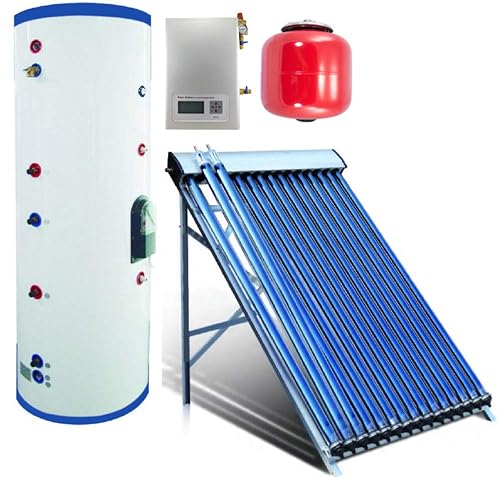
- Evacuated tube collectors, which insulate better than flat plates and tolerate low temperatures well when properly installed.
Passive thermosiphon designs are simpler but are generally a poor fit for hard freezes unless the collector and piping are protected. Manufacturers specify minimum operating temperatures for each collector, so check those numbers against your local design temperatures.
Step 3: Plan Freeze Protection and Backup Heating
Whatever system you choose, plan for the days when sunlight is weak or the collector is covered in snow. A reliable setup includes:
- A backup heating element or connection to your existing water heater.
- Temperature sensors and a controller that switches the pump on and off automatically.
- Pipe insulation rated for outdoor exposure, with heat tape where lines run through unheated spaces.
- A pressure relief valve and an expansion tank sized for the glycol or water volume.
Step 4: Size the System and Confirm Local Requirements
Size the storage tank to your household’s daily hot water use, then match the collector area to that tank. Undersized collectors in Canadian winters will leave you relying on backup heat almost all season. Check local plumbing and building codes before installation, since some provinces and municipalities require permits or licensed trades for certain connections. Consult a licensed plumber or certified installer for gas or electrical tie-ins, and for anything involving pressurized glycol loops.
| Factor | What to check |
|---|---|
| Winter sun hours | Shading from trees, buildings or snow at low sun angles |
| Freeze protection | Drainback, glycol loop or insulated evacuated tubes |
| Backup heat | Connection to existing water heater or electric element |
| Permits | Local building and plumbing requirements |
Common Mistakes to Avoid
- Sizing the system for summer use alone and ignoring winter output.
- Leaving exposed piping without insulation or freeze protection.
- Skipping a pressure relief valve or expansion tank.
- Mounting collectors where snow slides off onto walkways or piping.
- Assuming an installation that works in one province will meet another’s code.
Recommended Gear
Pipe insulation designed for outdoor use helps protect exposed lines from heat loss and freezing. View on Amazon
A temperature and pressure gauge lets you monitor the loop without guessing. View on Amazon
For background on problems that show up during cold spells, see Solar Hot Water Heater in Winter: How to Keep It Working in Cold Months and Solar Water Heater Temperature Problems: Too Cold or Too Hot. If you are comparing collector types, Top 5 Solar Hot Water Heater Evacuated Tube Collector Options Compared covers the main options.
FAQ
Can a solar hot water heater work in Canadian winters?
It can contribute meaningfully in winter if the system uses freeze protection and has a reliable backup heat source. Output will be much lower than in summer, so most homes will still rely on backup heating for part of the season.
What is the difference between drainback and glycol systems?
A drainback system empties its collector fluid into a reservoir when circulation stops, while a glycol system keeps antifreeze circulating in a sealed loop. Both protect against freezing in different ways, and each has its own maintenance requirements.
Do I need a permit to install one?
Requirements depend on your province and municipality. Check with your local building or plumbing authority before starting work, and consult a licensed professional for connections to existing plumbing or gas and electrical systems.
Conclusion
A solar hot water heater canada system is practical when it is designed for cold weather, sized for winter output and backed by a dependable heating source. Start with your climate and sun exposure, choose a freeze-protected design, and confirm local requirements before buying or building. Careful planning at the start prevents most of the problems Canadian owners run into later.
Related reading
- Solar Water Heater Rainy Days: How to Keep Hot Water Flowing
- Solar Water Heater No Hot Water: 7 Causes and Fixes Walkthrough
- Solar Hot Water Heater Thermosiphon: How to Build and Set One Up
Ready to choose one?
About Audrey Hayes
Audrey Hayes is part of our editorial team and reviews and edits our solar water heaters guides, checking product details against manufacturer specifications and owner feedback.