By Audrey Hayes
Updated November 2026
If you are asking what’s the best solar hot water system for a home build or retrofit, the honest answer depends on your climate, roof space, whether you plan to install it yourself, and how much control you want over the heating loop. This guide narrows the field to three options that cover different needs: a controller for a separated pressurized system, a closed-loop kit, and a whole-house split system that works both on and off grid. Each pick was evaluated on published specifications, manufacturer documentation, brand reputation, and patterns in owner feedback. We did not run these products ourselves, so treat the details below as a starting point and verify them against the listing before you buy.
Our top picks at a glance
- 1
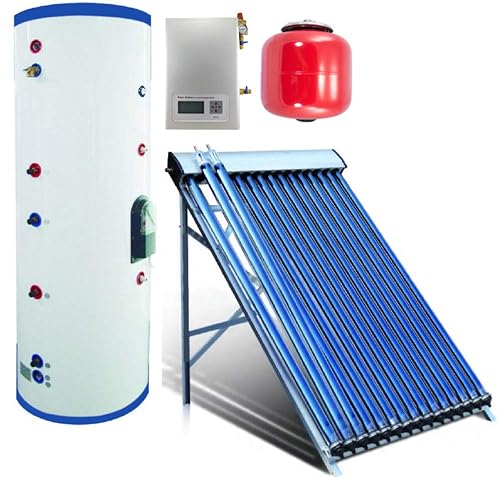
 TOP CHOICEBest overallWhole House On/Off Grid Split Solar Water Heater System (200L or 50 Gallons)View on Amazon
- 2
 Best for DIY closed-loop buildsSolar Water Heating System Skyline5 Closed LoopView on Amazon
- 3
 Best budget pick for controlsMISOL 110V Controller of Solar Water Heater, Used for Separated pressuView on Amazon
Selection criteria: system type and compatibility, freeze protection, storage capacity, controller features, installation effort, and the amount of documented information available from the manufacturer.
Our Top Picks
Quick Comparison
| Product | Best for | Key feature |
|---|---|---|
| Whole House On/Off Grid Split Solar Water Heater System (200L or 50 Gallons) | Whole-house supply in mixed climates | Split design with 200L (50 gallon) capacity |
| Solar Water Heating System Skyline5 Closed Loop | DIY builders wanting a closed-loop setup | Closed-loop circulation for freeze protection |
| MISOL 110V Controller of Solar Water Heater | Adding control to an existing pressurized system | 110V pump and differential controller |
Whole House On/Off Grid Split Solar Water Heater System (200L or 50 Gallons)
Whole House On/Off Grid Split Solar Water Heater System (200L or 50 Gallons)
Best for: Whole-house hot water supply where you want a complete system rather than separate parts.
This is a split system, meaning the collector and storage tank are separated, which is a common layout when roof space and tank placement do not line up. It is aimed at homeowners who want a single purchase covering the main components and who may need the option to run with or without grid power.
Key specs:
- Storage capacity: 200 liters (about 50 gallons), per the listing name
- Configuration: split solar water heater, separating collector and tank
- Operation: listed for both on-grid and off-grid use
Pros:
- Capacity suits a household of several people for daily use
- Split layout gives flexibility in mounting the tank indoors
- Off-grid compatibility is useful where utility power is unreliable
Cons:
- Split systems involve more plumbing and mounting work than integrated units
- Verify full component details and warranty terms with the seller before purchase
Bottom line: A strong choice for households that want a whole-house split system with the flexibility to operate off grid.
Solar Water Heating System Skyline5 Closed Loop
Solar Water Heating System Skyline5 Closed Loop
Best for: DIY builders who want a closed-loop system with freeze protection.
Closed-loop designs circulate a heat-transfer fluid through the collector rather than potable water, which helps in climates that see freezing temperatures. This type suits builders comfortable with plumbing and pressure work who want a system they can understand and maintain.
Key specs:
- Configuration: closed-loop solar water heating system
- Freeze protection: achieved through the closed-loop heat-transfer fluid design
Pros:
- Closed-loop design is well suited to cold-climate installations
- Fits the DIY approach of assembling and understanding each component
- Keeps potable water out of the collector, reducing scaling concerns
Cons:
- Requires careful fluid and pressure management and periodic checks
- Less suitable for buyers who want a plug-and-play appliance
Bottom line: Best for hands-on builders in colder regions who are willing to manage a closed-loop circuit.
MISOL 110V Controller of Solar Water Heater, Used for Separated Pressurized Solar Hot Water System
MISOL 110V Controller of Solar Water Heater, Used for Separated pressurized Solar hot Water System
Best for: Adding automatic control to an existing separated pressurized solar hot water system.
A controller is not a complete heater, but it is often the piece that decides whether the system runs efficiently. This unit is designed for separated pressurized systems and runs on 110V, which suits North American homes. It is a practical upgrade for an existing setup or a DIY build that needs a reliable pump and temperature control.
Key specs:
- Voltage: 110V, per the listing name
- Compatibility: separated pressurized solar hot water systems
Pros:
- Low-cost way to add automated pump control to an existing system
- Specifically matched to pressurized separated systems
- Simple function makes it easy to integrate into a DIY project
Cons:
- Does not include collectors or tanks, so it only solves one part of the system
- Wiring and sensor placement require electrical competence; consult a licensed electrician if unsure
Bottom line: The right pick if you already have a pressurized separated system and mainly need better control.
Buying Guide
System Type: Split, Closed Loop, or Integrated
System type decides almost everything else. Integrated systems combine collector and tank in one unit and are the simplest to install. Split systems place the tank apart from the collector, which helps when roof load or indoor space is limited. Closed-loop systems protect against freezing by circulating antifreeze fluid. Choose the type that matches your climate and mounting constraints before comparing other features.
Good picks for this: Whole House On/Off Grid Split Solar Water Heater System (200L or 50 Gallons); Solar Water Heating System Skyline5 Closed Loop
Storage Capacity and Household Size
A common planning figure is to size storage for roughly one day of peak household hot water use. Households of two or three often use tanks in the range of 80 to 150 liters, while larger homes commonly move toward 200 liters or more. Check the listing for the stated volume in liters and gallons, since the two are easy to confuse.
Good picks for this: Whole House On/Off Grid Split Solar Water Heater System (200L or 50 Gallons)
Freeze Protection and Climate
Where temperatures drop below freezing, the collector loop needs protection. Closed-loop designs with heat-transfer fluid, or drain-back designs, are the usual approaches. Open systems that circulate potable water need freeze strategies that are often impractical in cold regions. Confirm the freeze method in the manufacturer documentation before purchase.
Good picks for this: Solar Water Heating System Skyline5 Closed Loop
Controller and Pump Control
A differential controller starts the pump when the collector is hotter than the tank and stops it when the difference falls off. Good controllers protect against overheating and provide temperature readouts. If your system already has a tank and collector, an upgraded controller can improve efficiency more cheaply than replacing hardware.
Good picks for this: MISOL 110V Controller of Solar Water Heater
Installation Effort and DIY Skill
Plumbing, roof mounting, and electrical work each carry risk. A DIY build may save labor but requires knowledge of pressure ratings, backflow prevention, and local code. Many jurisdictions require permits for solar and plumbing work. When in doubt, consult a licensed professional, especially for roof penetrations and electrical connections.
Good picks for this: Solar Water Heating System Skyline5 Closed Loop; MISOL 110V Controller of Solar Water Heater
Off-Grid and Backup Operation
If you expect power outages or live where the grid is unreliable, check whether the system can operate without utility power and what backup heating it uses. Off-grid capability depends on the pump and controller power source, so verify the power requirements before buying.
Good picks for this: Whole House On/Off Grid Split Solar Water Heater System (200L or 50 Gallons)
Durability, Warranty, and Maintenance
Collectors and tanks should withstand weather, temperature cycling, and pressure. Look for documented warranty terms and maintenance schedules. Owners often report that pumps, sensors, and seals are the first components to need attention, so favor systems with accessible service points.
Good picks for this: MISOL 110V Controller of Solar Water Heater; Solar Water Heating System Skyline5 Closed Loop
FAQ
What is the best type of solar hot water system for a cold climate?
Closed-loop systems with heat-transfer fluid are generally recommended for freezing climates, because the fluid resists freezing and the potable water never enters the collector. Drain-back designs are another option. Confirm the freeze protection method with the manufacturer and local installer.
How much storage capacity do I need?
A practical starting point is about one day of peak hot water use for your household. Many families of three or four plan around 150 to 200 liters, but your actual usage and climate matter. Check your typical daily consumption before choosing a tank size.
Do I need a controller for a solar water heater?
Pumped systems need a controller to run the circulation pump based on temperature differences. Passive thermosiphon systems may not need one. If your system uses a pump, a reliable differential controller is essential for efficient and safe operation.
Can I install a solar hot water system myself?
Some homeowners do install their own systems, but plumbing, electrical, and roof work carry real risk. Permits are often required, and improper installation can damage property or create safety hazards. Consult a licensed professional for roof penetrations, electrical work, and final inspection.
Does a split system work during a power outage?
It depends on the design. Some split systems are listed for off-grid operation, but pumps and controllers usually need power. Check the listing for off-grid support and whether a backup heating source is included.
How long do solar hot water systems last?
Manufacturers commonly specify service lives of 10 to 20 years for collectors and tanks, with pumps and controls often needing replacement sooner. Actual lifespan depends on water quality, climate, and maintenance. Review the warranty for stated coverage.
Conclusion
There is no single answer to what’s the best solar hot water system for every home. For a complete whole-house split system with off-grid flexibility, the Whole House On/Off Grid Split Solar Water Heater System is the most complete option of the three. For builders who want a closed-loop design and freeze protection, the Skyline5 Closed Loop fits best. If you already own a separated pressurized system and need better control, the MISOL 110V Controller is the most targeted upgrade. Match the pick to your climate, roof layout, and skill level, and confirm every specification with the manufacturer before buying.
Sources
- Federal guidance on solar water heating types, sizing, and efficiency considerations (energy.gov)
- Research resources on solar thermal performance and system design (nrel.gov)
- Standards and technical guidance on building water heating and thermal systems (ashrae.org)
Related reading
- What Is the Cheapest Solar Hot Water System? Options and Trade-Offs
- Top 5 Solar Thermal Storage Tanks for Home Hot Water Systems
- Top 4 Service Solar Hot Water System Options Compared (2026)
- Sunbird Solar Hot Water System Prices: What You'll Pay and Why It Varies
- Split Solar Hot Water System Price: What You'll Pay and What Drives It
About Audrey Hayes
Audrey Hayes is part of our editorial team and reviews and edits our solar water heaters guides, checking product details against manufacturer specifications and owner feedback.