By Audrey Hayes
Updated November 2026
A solar hot water system is only as good as the parts that make it up. This guide walks you through every major solar hot water system parts category, explains what each one does, and shows you how to check that the pieces work together. By the end, you will know what to order, how the components connect, and what to inspect before you power anything up.
Understanding How the Core Parts Work Together
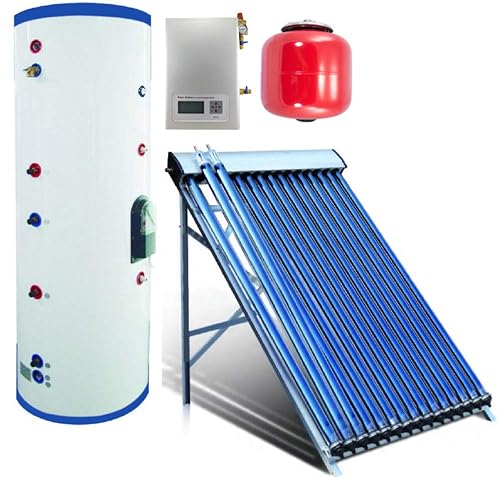
Every active solar hot water system moves heat in roughly the same sequence. Collectors absorb sunlight and warm a heat-transfer fluid. A pump or natural convection moves that fluid through a heat exchanger. The heat then goes into a storage tank, where it sits until someone draws hot water. A controller decides when the pump runs, and sensors tell the controller what is happening at each point in the loop.
Shopping for one? See our guide: Solar Hot Water System Repair: 7 Best Repair Kits and Parts Compared (2026).
Passive systems skip the pump and rely on thermosiphon action, where warm fluid rises naturally and cooler fluid sinks. Active systems add pumps, valves and controls, which lets you place the tank away from the roof. Knowing which type you are building determines which parts you need.
Core parts at a glance
- Collector: flat-plate or evacuated tube panel that absorbs solar energy.
- Heat-transfer fluid: water or a glycol-water mix that carries heat from the collector.
- Heat exchanger: coil or plate exchanger that transfers heat into the potable water.
- Storage tank: insulated vessel that holds heated water until use.
- Circulating pump: moves fluid through the collector loop in active systems.
- Controller: electronic unit that switches the pump based on temperature readings.
- Sensors: temperature probes on the collector and tank.
- Valves and fittings: isolation, check, pressure relief and drain valves.
- Expansion tank: absorbs fluid expansion as the loop heats up.
- Backup heater: electric or gas element that tops up water on cloudy days.
Collector Parts and Mounting Hardware
The collector is the most visible of the solar hot water system parts, but the mounting hardware and glazing matter just as much. Flat-plate collectors usually include a copper or aluminum absorber plate, a tempered glass cover, an insulated back and a frame. Evacuated tube collectors use individual glass tubes, each holding a heat-pipe or U-tube, connected to a manifold.
What to check on the collector side
- Confirm the absorber material is compatible with your fluid. Copper with glycol is common; aluminum needs specific fluid chemistry.
- Verify the glazing is tempered or hail-rated if you live in a hail-prone region.
- Check that the mounting rails are rated for your roof’s wind and snow loads.
- Look for stainless or coated fasteners, especially in coastal areas.
- Make sure the collector tilt roughly matches your latitude for year-round performance, or adjust for seasonal demand.
Manufacturers specify maximum stagnation temperatures for their collectors. Those numbers matter for choosing expansion tanks and relief valves later, so record them when you order.
Storage Tanks and Heat Exchangers
A storage tank holds the energy you collect during the day. Solar storage tanks are typically insulated steel or stainless vessels with at least two connections for solar input and output, plus cold-water inlet and hot-water outlet ports. Some include an internal heat exchanger coil, which keeps the potable water separate from the solar fluid. Others use an external plate exchanger.
Tank sizing depends on household demand. A common rule of thumb is 1.5 to 2 times your typical daily hot water use, though your climate and collector area change that number. For guidance on types and safety fittings, see Solar Hot Water Storage Tanks: Sizing, Types and Safety Parts. If you are comparing ready-made options, Top 5 Solar Thermal Storage Tanks for Home Hot Water Systems gives a useful overview of the market.
Heat exchanger considerations
- Coil exchangers inside the tank are simpler but can be harder to service.
- External plate exchangers are easier to clean and inspect but add pipe runs.
- Double-wall exchangers are required in many jurisdictions when potable water contacts a glycol loop.
Pumps, Valves and Fluid Control
Active systems rely on a circulating pump, usually a small wet-rotor unit rated for solar loops. The pump should be matched to the flow rate your collector array needs, which is commonly expressed in liters or gallons per minute per square meter or square foot of collector. Undersized pumps cause poor heat transfer, while oversized pumps waste electricity and create noise.
Valves control the loop. Isolation valves let you service the pump without draining the system. Check valves stop reverse flow at night, which otherwise pulls heat out of the tank. A pressure relief valve set to the manufacturer’s rating protects the loop from overpressure during stagnation, and it must discharge to a safe location.
Fluid and expansion parts
Most freeze-prone climates use a propylene glycol mix in the collector loop. Propylene glycol is preferred over ethylene glycol for potable-adjacent systems because it is less toxic. An expansion tank, sized for the total fluid volume and maximum operating temperature, absorbs thermal expansion. Undersized expansion tanks are one of the most common causes of leaks and pressure spikes. Consult a licensed professional for final pressure ratings and local code compliance.
Controllers, Sensors and Backup Heaters
The controller reads sensor inputs and decides when to run the pump. A basic differential controller compares collector temperature with tank temperature and starts the pump when the collector is warmer by a set margin, often in the range manufacturers recommend. More advanced controllers add freeze protection, overheat shutdown, and remote monitoring.
Sensors are small but critical. A collector sensor should be mounted in good thermal contact with the absorber, and a tank sensor should sit at a height that reflects the stored volume you care about. Replace sensors that read implausible values, since a bad sensor can cause the pump to run at the wrong times.
A backup heater, electric or gas, ensures hot water when sunlight is insufficient. Electric elements are usually mounted in the tank with a thermostat and high-limit cutoff. Gas backup requires separate venting and combustion-air planning, so hire a licensed installer for that work.
Installation Checklist and Tools
Before you start connecting pipe, gather the parts and tools below. Keeping them organized prevents mid-install trips to the supply house.
- Collectors, mounting rails, flashing and roof penetration seals
- Storage tank with ports, heat exchanger if separate, and insulation
- Circulating pump, check valves, isolation valves and drain valves
- Pressure relief valve, expansion tank and pressure gauge
- Controller, collector and tank temperature sensors, and wiring
- Propylene glycol, fill and flush pump, and pressure test kit
- Pipe, fittings and insulation rated for high-temperature solar loops
- Torque wrench, pipe cutter, flaring tools, and PEX or copper tools as needed
Step-by-step: verifying parts before connection
- Compare every part number against your system design sheet.
- Check collector and tank ratings against your expected operating temperatures.
- Test each sensor with a multimeter or the controller’s diagnostic mode.
- Pressure-test the loop with air or water before filling with glycol.
- Label every valve and sensor so future service is faster.
Common Mistakes
- Mismatched materials: mixing copper and aluminum in the same loop without isolation invites galvanic corrosion.
- Skipping the expansion tank: without it, pressure rises as fluid heats and can blow seals or open relief valves.
- Undersized pump: the loop may run but never move enough heat, leaving the tank cool.
- Wrong sensor placement: a collector sensor not touching the absorber reads low and delays pump start.
- No night-circulation check valve: reverse thermosiphon drains stored heat back through the collector.
- Ignoring stagnation: a system with no load can reach temperatures that degrade fluid and gaskets.
Tips for Long-Term Reliability
- Test glycol concentration and pH once a year, and replace fluid per manufacturer intervals.
- Inspect pump seals, valve packing and fittings annually for weeping or corrosion.
- Keep spare sensors and a spare pump on hand if your system is in a remote location.
- Log tank and collector temperatures for a few sunny days to confirm the controller is behaving.
- Check that insulation on all hot pipes is intact, since bare pipe wastes energy quickly.
Recommended gear
A few tools make the parts work easier to verify and service. Pick items that match your loop’s fluid and pressure ratings.
- Propylene glycol solar fluid: a food-safe, non-toxic heat-transfer fluid suited to closed solar loops. View on Amazon
- Digital pressure test kit: lets you verify loop integrity before filling with fluid. View on Amazon
- Glycol refractometer: measures freeze protection level in the field during annual checks. View on Amazon
- Digital multimeter: verifies sensor resistance and wiring continuity. View on Amazon
FAQ
What are the most important solar hot water system parts?
The collector, storage tank, circulating pump (in active systems), controller, sensors, and expansion tank are the core parts. A pressure relief valve and backup heater are also essential for safe, reliable operation.
Do I need a pump for a solar hot water system?
Not always. Passive thermosiphon systems rely on natural convection and skip the pump, but the tank must sit above the collector. Active systems with a pump offer more layout flexibility.
What fluid should go in the collector loop?
Many systems use a propylene glycol and water mix, since it protects against freezing and is less toxic than ethylene glycol. Follow the collector manufacturer’s concentration guidance and never use plain antifreeze products meant for cars.
How big should the expansion tank be?
Size it based on total loop fluid volume, maximum operating temperature, and the system’s static pressure. Manufacturers and installers use specific formulas, so confirm the value with the designer or a licensed professional.
How often should solar hot water parts be inspected?
Check fluid concentration, pressure, and pump operation at least once a year. Inspect valves, fittings, and insulation at the same time, and replace worn components before they fail.
Can I replace a sensor myself?
Yes, if the sensor type matches the controller and you are comfortable with low-voltage wiring. Confirm the resistance specification first, and consult a professional if you are unsure about electrical work.
Why does my collector get hot but the tank stays cool?
Common causes include a failed pump, a stuck check valve, a bad sensor, or air trapped in the loop. Start by confirming the pump runs and the sensors read correctly.
Conclusion
Solar hot water system parts work as a connected loop, so choosing and verifying each component matters as much as the collector itself. Confirm materials, sizing, pressure ratings and sensor placement before installation. Regular checks of fluid, pump and valves keep the system running efficiently for years. For gas, electrical or pressure-related work, consult a licensed professional.
Related reading
Ready to choose one?
About Audrey Hayes
Audrey Hayes is part of our editorial team and reviews and edits our solar water heaters guides, checking product details against manufacturer specifications and owner feedback.