By Ethan Brooks
Updated November 2026
Readers searching for concentrated solar thermal power plants usually need one of three things: a clear design reference, a modeling tool for performance analysis, or a grounded look at the economics. This list compares six titles from the product listings we reviewed, weighing topic depth, specificity to CSP plants, reader audience and how well each title matches a practical need. Shortlisted titles were judged on subject focus, the level of engineering detail described in the listing, and how well the content maps to a specific use case.
Our top picks at a glance
- 1
 TOP CHOICEBest overallSolar Thermal Power Plant System EngineeringView on Amazon
- 2
 TOP CHOICEBest for dual-source designsPower plant design with two concentrated solar thermal power sourcesView on Amazon
- 3
 TOP CHOICEBest for future fuelsConcentrated Solar Thermal Plant for Future Fuels ProductionView on Amazon
- 4
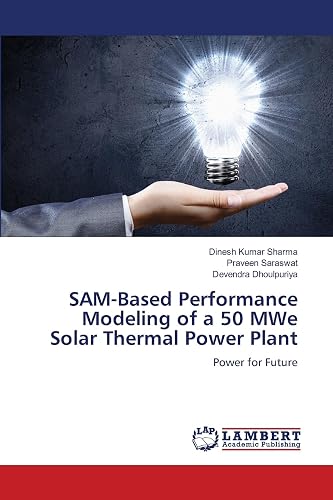 Best for performance modelingSAM-Based Performance Modeling of a 50 MWe Solar Thermal Power PlantView on Amazon
- 5
 Best for plant layout basicsDesign of Solar Thermal Power PlantsView on Amazon
- 6
 Best for economic comparisonEconomic Comparison of PV Parks with Concentrated Solar Power PlantsView on Amazon
Our Top Picks
| Product | Best for | Key feature |
|---|---|---|
| Solar Thermal Power Plant System Engineering | Collector and storage design | Heat transfer optimization |
| Power plant design with two concentrated solar thermal power sources | Dual-source combined cycle | Combined cycle integration |
| Concentrated Solar Thermal Plant for Future Fuels Production | Fuels production context | Solar fuels focus |
| SAM-Based Performance Modeling of a 50 MWe Solar Thermal Power Plant | Performance simulation | SAM modeling workflow |
| Design of Solar Thermal Power Plants | Plant layout fundamentals | General design overview |
| Economic Comparison of PV Parks with Concentrated Solar Power Plants | Feasibility comparison | Site-by-site economics |
Solar Thermal Power Plant System Engineering
SOLAR THERMAL POWER PLANT SYSTEM ENGINEERING: Collector design heat transfer optimization and storage integration
Best for: Collector and storage design
This title suits engineers who need to size collectors, plan heat transfer and integrate thermal storage into a plant layout.
Pros
- Covers collector design and heat transfer optimization together
- Addresses storage integration, which many general texts skip
Cons
- Assumes working knowledge of thermodynamics
Power plant design with two concentrated solar thermal power sources
Power plant design with two concentrated solar thermal power sources: Power plant design with a combined cycle and double concentrated solar thermal power sources
Best for: Dual-source combined cycle
Designed for readers studying hybrid layouts where two CSP sources feed a combined cycle power block.
Pros
- Focused on a less common configuration with two thermal sources
- Combined cycle coverage is useful for plant-level design
Cons
- Narrower scope than a general system engineering text
Concentrated Solar Thermal Plant for Future Fuels Production
Concentrated Solar Thermal Plant for Future Fuels Production
Best for: Fuels production context
A fit for researchers interested in using concentrated solar heat for fuel synthesis rather than only electricity.
Pros
- Addresses an application beyond grid electricity
- Useful framing for chemical process integration
Cons
- Less relevant for readers focused on conventional power generation
SAM-Based Performance Modeling of a 50 MWe Solar Thermal Power Plant
SAM-Based Performance Modeling of a 50 MWe Solar Thermal Power Plant: Power for Future
Best for: Performance simulation
Suited to analysts who want to model annual output of a utility-scale plant using the System Advisor Model workflow.
Pros
- Concrete modeling example at 50 MWe scale
- Useful for learning SAM inputs and outputs
Cons
- Requires familiarity with simulation software before the examples make sense
Design of Solar Thermal Power Plants
Design of Solar Thermal Power Plants
Best for: Plant layout fundamentals
A starting point for students or new engineers who need an overview of how plants are arranged and sized. A related read: Top 6 Concentrated Solar Thermal Energy Books Compared (2026).
Pros
- Broad overview suitable for early learners
- Covers general plant design rather than one technology
Cons
- Less depth on specific collector or storage engineering
Economic Comparison of PV Parks with Concentrated Solar Power Plants
Economic Comparison of PV Parks with Concentrated Solar Power Plants: Economic Feasibility Comparison of PV Parks and Solar Thermal (CSP) Plants at Various Geographic Locations
Best for: Feasibility comparison
Aimed at planners comparing photovoltaic parks and CSP plants across different geographic locations.
Pros
- Directly compares PV and CSP economics by location
- Useful for site selection discussions
Cons
- Financial assumptions should be checked against current market data
Buying Guide
Match the book to your role
Students and new engineers benefit from broad overviews, while practicing designers usually need detailed collector, storage or cycle coverage. Check the table of contents before buying.
Check the plant configuration
Parabolic trough, tower and dish layouts differ in their design logic. A title focused on one configuration may not transfer to another.
Look for worked examples
Titles with numerical examples, such as sized plants or modeling runs, are easier to apply than purely conceptual texts.
FAQ
Who are these books best suited for?
The titles fit a mix of readers, including graduate students, practicing engineers, and energy analysts working on utility-scale solar projects. Engineers focused on collector and storage design will get the most from the system engineering titles, while planners comparing technologies may prefer the economic feasibility study.
Do I need a background in thermodynamics before reading these?
A working knowledge of heat transfer and basic thermodynamics will make the design-focused titles much easier to follow. Readers new to the field can start with the broader design overview and move to the specialized modeling and optimization content afterward.
Is the performance modeling book tied to a specific software tool?
The SAM-based modeling title centers on the System Advisor Model workflow for a 50 MWe plant, so readers who already use that tool will benefit most. Even readers using other simulation platforms can still apply the underlying modeling logic and plant assumptions. Thermal Energy Storage Systems for Concentrated Solar Power Plants: A Guide goes further into this.
How do the economic comparison titles differ from the engineering books?
The economic titles focus on cost, feasibility, and how location affects the comparison between photovoltaic parks and concentrated solar power plants. The engineering books concentrate on how the plant itself is designed, sized, and optimized, so the two groups serve different decisions.
Are there titles covering future fuels or combined-cycle designs?
Yes, two of the listed titles address less common configurations, including a concentrated solar plant aimed at future fuels production and a design that pairs a combined cycle with dual concentrated solar sources. These suit readers exploring hybrid or non-electric applications of CSP technology.
Which book should a beginner start with?
A beginner should start with the general solar thermal power plant system engineering title, since it lays out collector design, heat transfer, and storage integration in a broad way. Once the basics are clear, the more specialized design and modeling books will be easier to use.
Conclusion
For engineers who need to design or optimize plant components, the system engineering and plant design titles are the strongest choices, while those planning performance analysis should look at the SAM-based modeling book. Readers weighing whether concentrated solar makes financial sense against photovoltaic options will find the economic comparison title most useful.
Students and newcomers will do well to begin with the broad system engineering overview before moving into specialized design or modeling content. Matching the book to your current role and project goals will get you the most value from this list.
Related reading
- What Is the Largest Solar Thermal Power Plant in India? Answer and Details
- Top 5 Concentrated Solar Thermal Power Books and References Compared (2026)
- Top 5 Concentrated Solar Thermal Plant Books and Designs Compared (2026)
About Ethan Brooks
Ethan Brooks is part of our editorial team and reviews and edits our solar water heaters guides, checking product details against manufacturer specifications and owner feedback.