By Ethan Brooks
Updated November 2026
Choosing a solar thermal panels combi boiler setup means pairing a solar collector loop with a gas-fired combination boiler, so sunlight covers part of your hot water and space heating load while the boiler handles the rest. This list compares three products that fit into that kind of system. We weighed manufacturer specifications, brand reputation for heating equipment, and the patterns owners commonly describe in their feedback, looking at output range, condensing efficiency, control compatibility, and how well each part suits a residential installation. Nothing here is based on our own testing.
Our top picks at a glance
- 1
 TOP CHOICEBest overallRinnai IP150199C I-SERIES Plus 150k BTU Condensing Combi Heat BoilerView on Amazon
- 2Best for smaller homesRinnai IP090199C I-SERIES Plus 90k BTU Condensing Combi Heat BoilerView on Amazon
- 3
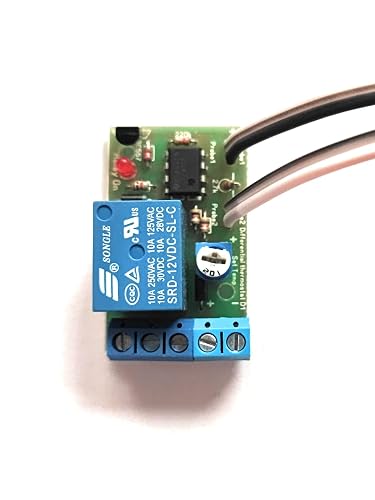 Best budget pick for the solar loopSolar Panel Boiler Differential Thermostat Hot Water Pump Controller, 12V, 10AView on Amazon
Our Top Picks
Quick Comparison
| Product | Best for | Key feature |
|---|---|---|
| Rinnai IP150199C I-SERIES Plus 150k BTU Condensing Combi Heat Boiler | Larger homes with high combined heating and hot water demand | 150k BTU condensing combi output for natural gas or propane |
| Rinnai IP090199C I-SERIES Plus 90k BTU Condensing Combi Heat Boiler | Smaller homes and apartments with moderate demand | 90k BTU condensing combi output in a smaller footprint |
| Solar Panel Boiler Differential Thermostat Hot Water Pump Controller, 12V, 10A | Owners who want to add or upgrade the solar pump control | Differential temperature control between collector and storage tank |
Rinnai IP150199C I-SERIES Plus 150k BTU Condensing Combi Heat Boiler
Hot Water and Heating in One, Natural Gas or Propane, Liquid Heating, High Efficiency, Residential or Commercial Use Rinnai IP150199C I-SERIES Plus 150k BTU Condensing Combi Heat Boiler
Best for: Larger homes with high combined heating and hot water demand
This model suits households where the boiler must carry a substantial space heating load alongside domestic hot water, and where a solar collector array will cover only part of the total energy need. The higher output gives headroom on cold days when the solar loop contributes less.
Key specs
- 150k BTU input rating
- Combi (hot water and heating in one unit)
- Condensing design
- Runs on natural gas or propane
- Liquid heating (hydronic) application
Pros
- Covers high combined heating and hot water loads
- Condensing operation is designed for high efficiency
- Suitable for both residential and commercial use per the listing
Cons
- Oversized for small homes, which can cycle inefficiently
- Requires a qualified installer for gas, venting and condensate work
Bottom line: Pick this if your home has a large heating load and you want one boiler to handle both space heating and hot water alongside a solar loop.
Rinnai IP090199C I-SERIES Plus 90k BTU Condensing Combi Heat Boiler
Natural Gas or Propane, Liquid Heating, High Efficiency, Residential or Commercial Use Rinnai IP090199C I-SERIES Plus 90k BTU Condensing Combi Heat Boiler
Best for: Smaller homes and apartments with moderate demand
This is the smaller sibling in the same product line. It fits homes where the heating and hot water load is more modest, and where sizing the boiler closer to actual demand helps it run efficiently. Sizing a combi boiler to the real load is one of the most common points owners mention when comparing models.
Key specs
- 90k BTU input rating
- Combi (hot water and heating in one unit)
- Condensing design
- Runs on natural gas or propane
- Liquid heating (hydronic) application
Pros
- Better matched to smaller homes and moderate loads
- Same condensing platform as the larger model
- Smaller footprint for tighter mechanical rooms
Cons
- May struggle to keep up on the coldest days in larger homes
- Still needs professional gas and venting installation
Bottom line: Choose this if your heat load is moderate and you want a condensing combi that won’t be oversized for your space.
Solar Panel Boiler Differential Thermostat Hot Water Pump Controller, 12V, 10A
Solar Panel Boiler Differential Thermostat Hot Water Pump Controller, 12V, 10A
Best for: Owners who want to add or upgrade the solar pump control
A differential thermostat compares the temperature at the solar collector with the temperature in the storage tank and switches the circulation pump on only when the collector is hotter. That logic prevents the pump from pulling heat back out of the tank at night and is central to how a solar loop feeds a combi boiler system.
Key specs
- 12V operation
- 10A rated output
- Differential temperature control for solar pump operation
Pros
- Prevents reverse heat loss from the storage tank at night
- Simple, dedicated function for the solar loop
- Pairs with a standard hot water circulation pump
Cons
- Does not replace the combi boiler or provide heating itself
- Sensor placement and wiring must be done carefully to work correctly
Bottom line: Pick this if you need a solar pump controller to manage the collector loop feeding your storage tank and combi boiler.
Buying Guide
Boiler output and load sizing
Match the combi boiler’s BTU rating to your real heating and hot water demand rather than the largest number you can find. An oversized condensing boiler can short-cycle, which reduces comfort and wastes fuel. Ask an installer to calculate a heat loss figure for your home before choosing between the 90k and 150k BTU models.
Good picks for this: Rinnai IP090199C I-SERIES Plus 90k BTU Condensing Combi Heat Boiler, Rinnai IP150199C I-SERIES Plus 150k BTU Condensing Combi Heat Boiler
Fuel type compatibility
Confirm whether the boiler is set up for natural gas or propane before you buy. Conversion from one fuel to the other usually requires specific orifice changes, and the listing names both fuels, so check which one your home supply uses.
Good picks for this: Rinnai IP150199C I-SERIES Plus 150k BTU Condensing Combi Heat Boiler
Condensing operation
Condensing boilers recover heat from exhaust gases, which is why they are rated for high efficiency. They need a condensate drain and venting designed for low exhaust temperatures. Plan for both during installation.
Good picks for this: Rinnai IP090199C I-SERIES Plus 90k BTU Condensing Combi Heat Boiler
Solar loop control
A differential controller is what keeps the solar pump from running when the collector is cooler than the tank. Check that the controller’s voltage and current rating suit your pump, and that it accepts the temperature sensors you plan to use.
Good picks for this: Solar Panel Boiler Differential Thermostat Hot Water Pump Controller, 12V, 10A
Integration with the existing system
Solar thermal panels, storage, the combi boiler and the pump all need to share a common control strategy. Decide which component takes priority for hot water, and make sure the boiler’s hot water demand logic and the solar controller do not fight each other.
Good picks for this: Rinnai IP150199C I-SERIES Plus 150k BTU Condensing Combi Heat Boiler, Solar Panel Boiler Differential Thermostat Hot Water Pump Controller, 12V, 10A
Installation and code compliance
Gas appliances, venting and hydronic connections are generally regulated by local codes. Permits and professional installation are often required. Consult a licensed plumber or HVAC professional before any gas or venting work.
Good picks for this: Rinnai IP090199C I-SERIES Plus 90k BTU Condensing Combi Heat Boiler
Maintenance and serviceability
Plan for annual service on the boiler, periodic checks of the condensate trap, and sensor and pump inspection on the solar side. Accessible connections and a clear service path make these tasks easier over the life of the system.
Good picks for this: Solar Panel Boiler Differential Thermostat Hot Water Pump Controller, 12V, 10A
FAQ
What is a solar thermal panels combi boiler system?
It is a setup where solar collectors heat water that feeds a storage tank or hydronic loop, and a combination boiler supplies the remaining heat for space heating and hot water. The solar portion reduces how often the boiler fires.
Can a combi boiler work with solar thermal panels?
Yes, many installations pair them, but the boiler must accept preheated water from the solar loop and the control logic must be set up so the two do not conflict. An installer familiar with hydronic solar systems should confirm the design.
Why is a differential controller needed?
It switches the solar pump on only when the collector is warmer than the tank. Without it, the pump can circulate cooler water and pull heat out of the storage tank.
Should I size the boiler for the full load or the solar-reduced load?
Most installers size the boiler for the full load you need on the coldest days, because solar output drops in winter and on cloudy days. Discuss the design with a qualified professional.
Is natural gas or propane better for this system?
The choice depends on what is available at your home. Both fuels work with the boiler models listed, but they require the correct configuration for the fuel you have.
Do I need a permit for this installation?
Often yes, especially for gas work, venting and new hydronic connections. Check with your local building or permitting office and use a licensed contractor.
Conclusion
For a larger home with high combined heating and hot water demand, the Rinnai IP150199C is the most capable option in this group. For a smaller home or apartment, the Rinnai IP090199C matches the load more closely. If you are building or upgrading the solar side, the differential controller is the component that keeps the collector loop working efficiently. Confirm sizing, fuel type and code requirements with a licensed installer before you buy.
Sources
- Background on solar water heating systems, how they work and how they are sized (energy.gov)
- Standards and guidance on heating system design and hydronic equipment (ashrae.org)
- Fire and gas safety codes that apply to fuel-fired appliances and venting (nfpa.org)
Before you buy: helpful guides
Related reading
- Worcester GreenSkies Solar Thermal Panels: 5 Best Options Compared
- Why Does Solar Panel Thermal Expansion Cause Problems? 5 Causes and Fixes
- Top 7 Solar Thermal Flat Panel Options Compared for Home Water Heating
About Ethan Brooks
Ethan Brooks is part of our editorial team and reviews and edits our solar water heaters guides, checking product details against manufacturer specifications and owner feedback.