By Audrey Hayes
Updated November 2026
The average cost of solar thermal system setups depends mostly on what you are heating, how many collectors you need, and whether you install it yourself. This guide walks through the main cost drivers, shows you how to build a line-item budget, and points out the expenses people most often forget. Actual prices change with region, supplier and season, so treat the framework as the reliable part and check current quotes for the numbers.
Know Which System Type You Are Pricing
Solar thermal covers several designs, and they do not cost the same. A closed-loop system with a glycol mix and a heat exchanger usually costs more than a simple batch or thermosiphon setup because it needs pumps, controllers and extra fittings. Drainback designs add a drainback tank and careful piping. Before you compare any figures, decide whether you need domestic hot water only or also space heating or pool heating, because each use changes collector area and storage size. For a plain-language overview of the components, see What Is a Solar Thermal System? How It Works and What You Need.
Shopping for one? See our guide: 5 Best Cost of Solar Thermal Systems Options Compared (2026).
Break the Budget into Cost Categories
A reliable estimate separates the total into five buckets. Work through each one with local quotes or supplier catalogs rather than relying on a single headline number.
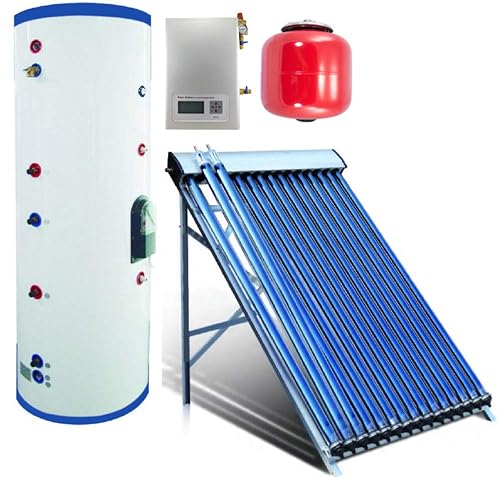
- Collectors: flat-plate or evacuated-tube panels. This is usually the largest single line item.
- Storage tank: size it to your daily hot water use, typically sized in gallons, with a heat-exchanger coil if you run a closed loop.
- Pump, controller and sensors: the active parts that move fluid and decide when to run.
- Piping, insulation and mounting: copper or PEX lines, high-temperature insulation, racks and roof hardware.
- Labor, permits and backup: installation labor, inspection fees and a backup heater, which is often required.
For a more detailed walkthrough of each category, read Solar Thermal Hot Water System Cost: A Step-by-Step Budgeting Guide (2026).
Factors That Push the Average Up or Down
Several variables move the total more than people expect. Roof pitch and orientation affect how many collectors fit and how much racking you need. Freeze protection matters in cold climates because it can require glycol, a drainback design or extra insulation. Water hardness can call for a treatment or a heat-exchanger design that tolerates scale. Regional permit rules and labor rates also vary widely. If you are weighing a DIY build against a professional install, Solar Thermal Installation Cost: A Step-by-Step Guide for DIY Builders covers where the labor savings come from.
| Cost driver | Effect on total |
|---|---|
| Collector type (flat-plate vs. evacuated tube) | Changes both the collector line and the expected output per square foot |
| Closed loop vs. drainback vs. thermosiphon | Pumps, controllers and tanks add cost in active designs |
| Household hot water demand | Drives collector area and storage volume |
| Freeze protection requirements | Glycol, drainback or insulation upgrades |
| Installation method | Professional labor versus owner-built |
Plan a Contingency Before You Commit
Build in a margin for the items that quote sheets leave out. Roof reinforcement, relocating a vent, upgrading a backup water heater and replacing old piping are common surprises. Ask every quote to list whether it includes permits, inspections, mounting hardware and the backup heater. Comparing quotes only works when the scope matches.
Common Mistakes
- Comparing a quote for collectors only against a quote that includes the full system.
- Sizing the storage tank too small, which forces the backup heater to run more often.
- Skipping freeze protection in a cold climate to save on the initial budget.
- Forgetting to budget for annual maintenance such as glycol replacement or pump checks.
- Assuming a low headline number includes labor, permits and inspection.
Recommended Gear
- Digital multimeter: useful for checking sensor and pump wiring during budgeting-stage testing and later maintenance. View on Amazon
- Pipe insulation for hot water lines: keeps heat losses down on the piping that carries warm fluid between collectors and the tank. View on Amazon
- Propylene glycol heat transfer fluid: commonly used in closed-loop designs for freeze protection; always confirm the product matches your system’s specifications. View on Amazon
FAQ
Is the average cost of solar thermal system the same across all regions?
No. Labor rates, permit fees, climate requirements and local incentive programs all shift the total, so regional quotes are more reliable than any national average.
Does a DIY build always cost less than a professional installation?
It often reduces labor expense, but mistakes in piping, pressure ratings or electrical work can add repair costs. A licensed professional should review any system that connects to your home plumbing or electrical supply.
Which cost category surprises people most?
Piping, insulation and backup heating are the items most often left out of early estimates. Checking each quote for those specific lines prevents most budget overruns.
Conclusion
The average cost of solar thermal system setups is best understood as a sum of collectors, storage, controls, piping and installation, each shaped by your climate and hot water demand. Build your budget line by line and compare quotes on identical scope. Verify electrical and plumbing work with a licensed professional before you proceed.
Related reading
- Top 7 Solar Thermal Energy Conversion System Options Worth Considering in 2026
- Top 6 Solar Thermal Power Generation System Options Compared for 2026
Ready to choose one?
About Audrey Hayes
Audrey Hayes is part of our editorial team and reviews and edits our solar water heaters guides, checking product details against manufacturer specifications and owner feedback.