By Graham Fisher
Updated November 2026
Choosing a residential solar thermal storage system means balancing how much heat you can bank, how well it holds that heat overnight and across cloudy days, and whether the components fit the way your home already uses hot water and space heating. This list is built from manufacturer specifications, brand reputation and the patterns owners tend to describe in their feedback. We weighed storage capacity and intended use, compatibility with a standard solar collection loop, insulation and tank design, and how clearly each product’s listing explains what it does.
Our top picks at a glance
- 1
 TOP CHOICEBest overallResidential Scale Solar Thermal Driven Adsorption Cooling SystemView on Amazon
- 2
 TOP CHOICEBest for whole-home power backupECO-WORTHY 10KW Output Off Grid Solar System Complete KitView on Amazon
- 3
 TOP CHOICEBest for installer and builder jobsitesDANGER Garage Energy Storage System SignView on Amazon
- 4
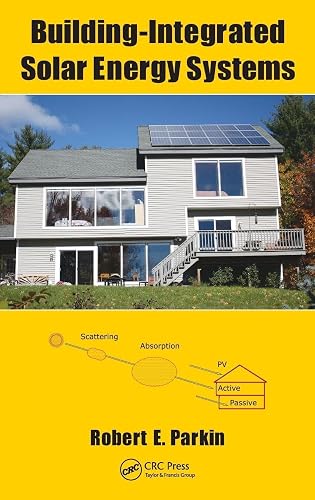 Best for building-integrated designBuilding-Integrated Solar Energy SystemsView on Amazon
- 5
 Best budget pickNOLLAM Solar System, 3000W Solar Panel Controller and InverterView on Amazon
Our Top Picks
Quick Comparison
| Product | Best for | Key feature |
|---|---|---|
| Residential Scale Solar Thermal Driven Adsorption Cooling System | Homeowners exploring thermally driven cooling | Thermal energy storage tied to an adsorption cooling cycle |
| ECO-WORTHY 10KW Output Off Grid Solar System Complete Kit | Off-grid homes wanting a large electrical storage bank | Battery bank with a 10KW split-phase inverter |
| DANGER Garage Energy Storage System Sign | Installers and builders posting safety notices | Durable 8×12 aluminum warning sign |
| Building-Integrated Solar Energy Systems | Architects and owners integrating solar into structures | Design-focused guidance on integrated solar |
| NOLLAM Solar System, 3000W Solar Panel Controller and Inverter | Small homes, cabins and RVs on a tighter budget | Bundled controller, inverter and mounting brackets |
Residential Scale Solar Thermal Driven Adsorption Cooling System
Residential Scale Solar Thermal Driven Adsorption Cooling System: Optimization of the thermal energy storage system
Best for: Thermal energy storage tied to a cooling cycle
This suits homeowners and designers who want the storage stage of a solar thermal setup to do more than supply hot water. The listing centers on optimizing the thermal energy storage system within a residential-scale adsorption cooling design, so it targets people already thinking about heat as an energy carrier rather than only a hot water source.
Key specs
- Residential scale design intended for home installations
- Solar thermal driven adsorption cooling cycle
- Focus on thermal energy storage optimization
Pros
- Addresses storage as a core design variable rather than an afterthought
- Useful for households wanting solar heat to serve cooling as well as hot water
- Technical focus suits owners who plan to work with a designer
Cons
- Adsorption systems are more complex to specify and service than a simple storage tank
- Best results depend on careful sizing against your climate and load
Bottom line: Pick this if you want a storage-focused system that can contribute to cooling and you are comfortable working with a qualified designer.
ECO-WORTHY 10KW Output Off Grid Solar System Complete Kit
ECO-WORTHY 10KW Output Off Grid Solar System Complete Kit:10KW 120V/240V Output Split Phase Inverter| 4Pcs 48V 100Ah 20.48kWh High Capacity Energy Storage| 5310 Watts Solar Panel PV
Best for: Off-grid homes wanting a large electrical storage bank
This kit fits homes that need to run on solar electricity with substantial battery storage, such as off-grid properties or homes prioritizing backup power. Keep in mind that this is an electrical solar-plus-storage kit, not a thermal collector loop, so it complements rather than replaces a solar thermal hot water setup.
Key specs
- 10KW output, 120V/240V split-phase inverter (per listing)
- Four 48V 100Ah batteries, about 20.48 kWh storage (per listing)
- Solar panel array rated around 5310 watts (per listing)
Pros
- Large stated storage capacity for extended outages or off-grid living
- Split-phase output matches typical US household wiring
- Complete kit approach reduces the matching work of sourcing parts separately
Cons
- Battery systems of this size need professional electrical review and permits
- Does not store solar heat for water or space heating
Bottom line: Choose this for whole-home electrical backup or off-grid power, and pair it with a separate thermal system if you also want solar hot water.
DANGER Garage Energy Storage System Sign
DANGER Garage Energy Storage System Sign, Vehicle Impact Can Start a Battery Fire, for Residential Solar-Plus-Storage Installers and Home Builders, 8×12 Aluminum Sign by CGAP Safety
Best for: Installers and builders posting safety notices
This is a warning sign rather than storage hardware. It is aimed at installers, builders and solar-plus-storage contractors who need to mark garages and battery locations so that people understand the fire-risk and impact considerations around stored energy.
Key specs
- 8×12 inch aluminum sign (per listing)
- Warning text regarding vehicle impact and battery fire risk (per listing)
Pros
- Durable aluminum construction suits outdoor or garage mounting
- Clear, direct safety message for jobsite and homeowner awareness
- Inexpensive way to add signage during a storage installation
Cons
- Does not add any storage capacity or performance
- Signage requirements vary by jurisdiction, so check local code
Bottom line: Useful for contractors who want clear hazard signage on a storage installation, but it is an accessory, not a system.
Building-Integrated Solar Energy Systems
Building-Integrated Solar Energy Systems
Best for: Architects and owners integrating solar into structures
This is a reference book on designing solar energy into buildings. It suits owners and design professionals who are planning a new build or major renovation and want to think about storage, collection and envelope design together, rather than adding equipment after construction.
Key specs
- Printed reference format covering building-integrated solar concepts
- Design-oriented rather than a hardware product
Pros
- Helps frame storage decisions early in the design process
- Useful background for working with architects and engineers
- Covers integration issues that equipment listings rarely discuss
Cons
- Not a product you can install, so it adds no capacity by itself
- Technical depth can be heavy for readers without a design background
Bottom line: A strong pick for planning and design conversations, but you will still need to buy and install equipment separately.
NOLLAM Solar System, 3000W Solar Panel Controller and Inverter
NOLLAM Solar System, 3000W Solar Panel Controller and Inverter, Home Solar System Kit, Solar Panel Kit for Mounting Brackets, Fast Charge Complete Solar Panel Kit for RV
Best for: Small homes, cabins and RVs on a tighter budget
This bundled kit targets smaller loads and mobile or secondary living spaces. It is a budget-oriented electrical solar kit, so it is best understood as a modest power system rather than a full thermal storage solution for a family home.
Key specs
- 3000W controller and inverter (per listing)
- Includes solar panel kit and mounting brackets (per listing)
Pros
- Bundled components simplify purchasing and matching
- Suits small loads and recreational vehicle use
- Budget-friendly entry point for learning solar basics
Cons
- Storage capacity is modest compared with larger battery systems
- Does not provide solar thermal hot water storage
Bottom line: Best for small-scale electrical solar on a budget. Choose a larger system if you need whole-home storage.
Buying Guide
Storage Capacity and Heat Retention
Match tank or storage volume to your daily hot water draw. Many household sizing guides suggest planning for roughly 1 to 1.5 gallons of storage per square foot of collector in moderate climates, though your local design professional should confirm the number for your location and usage pattern.
Good picks for this: Residential Scale Solar Thermal Driven Adsorption Cooling System, ECO-WORTHY 10KW Output Off Grid Solar System Complete Kit
Insulation and Tank Design
Look for thick, closed-cell or high-R-value insulation and a tank that minimizes standby heat loss. Pressure rating and corrosion resistance matter as much as insulation when the tank stays hot for long periods.
Good picks for this: Residential Scale Solar Thermal Driven Adsorption Cooling System
Compatibility With Your Collector Loop
Confirm that the storage unit matches your collector type, flow rate and heat-transfer fluid. Mismatched components are a common source of poor performance, so ask your installer to check connections, controls and pump specifications.
Good picks for this: NOLLAM Solar System, 3000W Solar Panel Controller and Inverter
Use Case: Hot Water, Space Heating or Electricity
Decide what the stored energy must do. Thermal storage for hot water or space heating is a different job from battery storage for electricity. Keep the categories separate when comparing listings.
Good picks for this: ECO-WORTHY 10KW Output Off Grid Solar System Complete Kit, Building-Integrated Solar Energy Systems
Size and Installation Fit
Measure the mechanical room or the space where the tank or battery bank will sit. Allow clearance for service access, ventilation and, for batteries, required separation from living areas.
Good picks for this: NOLLAM Solar System, 3000W Solar Panel Controller and Inverter, ECO-WORTHY 10KW Output Off Grid Solar System Complete Kit
Safety and Signage
Battery and thermal storage installations carry fire, scald and electrical risks. Check local code for required labels and clearances, and use visible warning signage where the rules call for it.
Good picks for this: DANGER Garage Energy Storage System Sign
Durability and Maintenance
Plan for periodic inspection of seals, valves, controllers and fluid condition. Choose components with accessible service points and clear manufacturer maintenance schedules.
Good picks for this: Residential Scale Solar Thermal Driven Adsorption Cooling System, DANGER Garage Energy Storage System Sign
FAQ
What is a residential solar thermal storage system?
It is a set of components that captures heat from solar collectors and holds it in an insulated tank or medium so you can use it later for hot water or space heating, even when the sun is not shining.
How long can a solar thermal storage tank hold heat?
Heat loss depends on insulation quality, tank size and ambient temperature. Well-insulated tanks can keep usable heat for a day or more, but the exact figure depends on your system design.
Do I need a permit to install one?
Often yes. Plumbing, electrical and structural work typically require permits and inspections. Confirm requirements with your local building department before starting.
Can solar thermal storage work in cold climates?
It can, with freeze protection such as glycol loops or drainback designs and properly insulated storage. Consult a qualified installer familiar with your winter conditions.
Is battery storage the same as thermal storage?
No. Battery storage holds electrical energy, while thermal storage holds heat. Some homes use both, but they serve different purposes and require different equipment.
Should I hire a professional to design the system?
For most homes, yes. A licensed installer or design professional can size storage, check code compliance and make sure components work together safely. Consult a professional before purchasing or installing any system.
Conclusion
For a storage-focused thermal system, the adsorption cooling design is the most specialized pick and suits owners who want heat to serve more than hot water. For electrical backup or off-grid power, the ECO-WORTHY kit offers the largest stated capacity. The NOLLAM kit fits smaller budgets and mobile use, while the DANGER sign and the building-integrated design book support installers and planners rather than storing energy directly. Match the product to the job you need done, and have a qualified professional confirm sizing and code compliance before you commit.
Sources
- Federal guidance on solar water heating basics, system types and homeowner considerations (energy.gov)
- Research and technical resources on solar thermal and thermal energy storage performance (nrel.gov)
- Safety codes and standards relevant to battery and electrical energy storage installations (nfpa.org)
Before you buy: helpful guides
- Residential Solar Thermal Storage: A Practical Guide (2026)
- Solar Thermal Heat Storage: How to Size and Build a Tank That Holds Heat (2026)
- Solar Thermal Air Conditioning: How It Works and How to Build a System
- Solar Thermal Energy Collection: How It Works and How to Build a Working System
- Solar Thermal Systems Manufacturers: How to Evaluate and Choose One (2026)
Related reading
- Top 5 Solar Thermal Storage Tanks for Home Hot Water Systems
- Top 5 Residential Solar Thermal Systems Compared for Homes (2026)
- What Is a Solar Thermal System? How It Works and What You Need
About Graham Fisher
Graham Fisher is part of our editorial team and reviews and edits our solar water heaters guides, checking product details against manufacturer specifications and owner feedback.