By Audrey Hayes
Updated November 2026
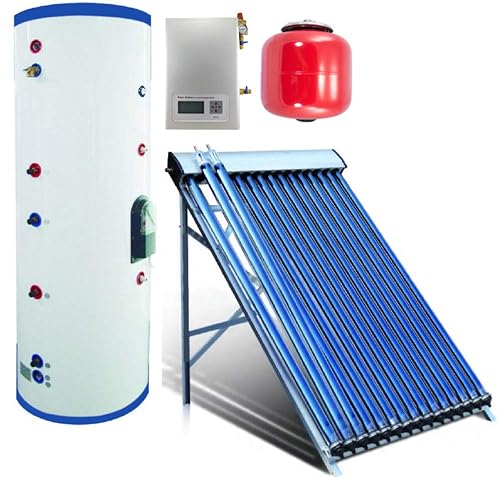
Solar pump hot water systems use an electric circulating pump to move water or antifreeze fluid between roof-mounted collectors and a storage tank. This guide explains how the pump fits into the loop, how to size it, and how to wire and check the system so it runs reliably. By the end, you will know which components you need and what to test before you switch it on.
How the Pump Fits Into an Active Solar Loop
In an active system, a pump is what drives heat transfer. A differential temperature controller compares the temperature at the collector outlet with the temperature at the bottom of the tank. When the collector is several degrees hotter, the controller starts the pump. When the gap closes, it stops the pump. This keeps the loop from pulling cold tank water back through the collectors overnight.
Shopping for one? See our guide: Solar Hot Water System vs Heat Pump (2026): Which Is Better for Your Home?.
Most residential loops are either direct (potable water circulates through the panels) or indirect (a heat-transfer fluid with propylene glycol runs through a heat exchanger in the tank). Indirect loops are common in freezing climates, and the pump has to handle the higher viscosity of the glycol mix.
Step-by-Step: Sizing and Selecting the Pump
Start by calculating the flow rate. Manufacturers of flat-plate and evacuated-tube collectors typically specify a flow rate per square meter of collector area. Multiply that figure by your total collector area to get the required flow in liters or gallons per minute.
- Add up the total collector area in square meters or square feet.
- Look up the recommended flow rate per unit area in your collector manual.
- Calculate the total flow requirement for the loop.
- Estimate total head loss from pipe length, fittings and the heat exchanger. Pick a pump rated for that head at the flow you calculated.
- Confirm the pump is rated for the fluid you plan to use, especially if it is glycol.
Pumps are usually sold as small wet-rotor units. Oversizing wastes power and can cause excessive flow that reduces heat transfer, so match the pump to the calculated duty rather than choosing the largest unit available.
Installation and Wiring Checks
Mount the pump on the cold-side return line, close to the storage tank, and keep it accessible for service. Install isolation valves on both sides so you can remove the pump without draining the loop. Position the pump so its shaft is horizontal, as most manufacturers require, to protect the bearings.
Wire the pump to the controller, not directly to a wall outlet, so the controller decides when it runs. If your system uses a PV module to power the pump, check that the panel’s output matches the pump’s voltage and that the controller can handle the current draw. Electrical work should follow local code, and if you are unsure, consult a licensed electrician.
Priming and Initial Run
Air trapped in the loop is the most common cause of a pump that runs but moves no fluid. Fill the loop slowly, bleed air at the high points, and run the pump briefly with the bleed valves open. Check that the flow meter, if fitted, reads the expected rate before closing up the system.
Common Mistakes
- Installing the pump on the hot side, where it can cavitate and overheat.
- Skipping the isolation valves, which forces a full drain for every pump service.
- Using a standard water pump in a glycol loop without checking fluid compatibility.
- Oversizing the pump, which can reduce collector efficiency by moving water too fast.
- Leaving air in the loop because the system was filled too quickly.
Recommended Gear
- Differential temperature controller: decides when the pump runs by comparing collector and tank temperatures, which prevents reverse heat loss. View on Amazon
- Solar circulating pump: a wet-rotor pump designed for glycol and high-temperature loops. View on Amazon
- Inline flow meter: lets you confirm the pump is delivering the flow rate you calculated. View on Amazon
FAQ
Do solar pump hot water systems need electricity?
Most active systems need a small amount of power for the pump and controller. Some owners use a dedicated PV module to run the pump during daylight, which avoids grid draw.
How do I know if my pump is sized correctly?
Measure the actual flow with a meter and compare it to the manufacturer’s recommended flow for your collector area. A significant mismatch in either direction means the pump or the head-loss estimate needs review.
Can I use a regular household pump?
Standard household pumps are usually not rated for the temperatures or fluids in a solar loop. Use a pump specified for solar thermal service, and check with the collector manufacturer before substituting.
Conclusion
A correctly sized and wired pump is what makes an active solar loop work day after day. Calculate flow from your collector area, install with isolation valves and proper priming, and let a differential controller manage run times. Review your specific collector and controller manuals before final commissioning, and consult a licensed professional for electrical or structural questions.
Related reading
- 5 Best Solar Hot Water System Circulating Pumps for Homes (2026)
- 3 Best Solar Hot Water System Booster Pumps for Home Use (2026)
- What's the Best Solar Hot Water System? 3 Top Picks Compared (2026)
Ready to choose one?
About Audrey Hayes
Audrey Hayes is part of our editorial team and reviews and edits our solar water heaters guides, checking product details against manufacturer specifications and owner feedback.