By Audrey Hayes
Updated November 2026
A solar hot water system NZ homeowners can rely on uses roof-mounted collectors to heat water during the day and stores it in an insulated cylinder for later use. This guide walks you through the main system types, how to size one for a New Zealand household, how to plan the roof and plumbing, and what to check before you commit. By the end you will know enough to brief a qualified installer properly, or to decide whether a DIY approach suits your situation.
How a Solar Hot Water System Works in New Zealand
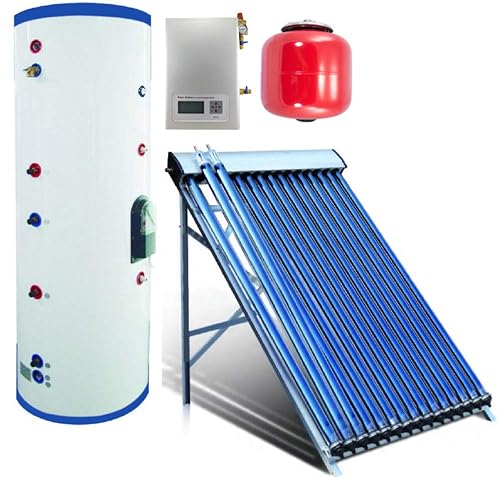
Every solar hot water system has three core parts: a collector that absorbs sunlight, a storage cylinder that holds the heated water, and a circulation method that moves heat from the collector to the cylinder. In New Zealand the climate is mild by northern-hemisphere standards, and many regions get strong sun for much of the year. That makes solar a practical option across most of the country, though winter output in the South Island and cloudier coastal areas will be lower.
Shopping for one? See our guide: 6 Best Indirect Solar Hot Water System Options for Homes (2026).
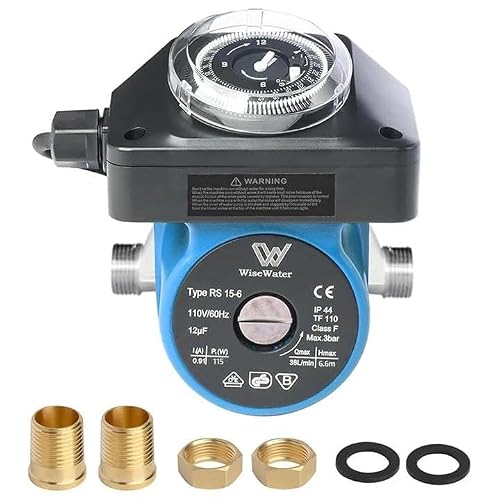
Two circulation methods dominate. In a thermosiphon system, hot water rises naturally from the collector into a cylinder mounted above it, so there is no pump. In a pumped (forced-circulation) system, a small pump moves a heat-transfer fluid or water through the collector, and the cylinder can sit anywhere convenient, often inside the house or in a roof space. Pumped systems generally suit larger roofs and cylinders placed at ground level, while thermosiphon units are simpler and have fewer moving parts.
Step 1: Assess Your Site and Roof
Before you think about equipment, check whether your home can actually host a collector. Most of the performance you get comes down to orientation, tilt and shading, not to the brand of tank.
Orientation and tilt
In New Zealand, which sits in the southern hemisphere, collectors should face north. A reasonable rule is to set the tilt close to your latitude, though many installers use a slightly steeper angle in winter-dominant use and a shallower one for summer. Roofs facing within about 20 degrees of true north perform well. East or west facing roofs still work but usually deliver less energy across the year.
Shading
Walk around the site at different times of day and note anything that casts a shadow on the proposed collector spot: chimneys, neighbouring trees, aerials or the building itself. Even partial shading across a single tube or panel can reduce output more than you would expect, so aim for a clear area from mid-morning to mid-afternoon.
Roof condition and structure
Check the roof covering, the battens and the fixings. A collector and its fluid or water can add significant weight, so confirm the framing can take it. If the roof is near the end of its life, re-roofing before installing will save you from lifting a collector later.
Step 2: Choose the Right Collector Type
New Zealand homes use two main collector designs. Flat-plate collectors are durable, handle wind well and are common on residential roofs. Evacuated tube collectors use glass tubes with a vacuum layer, which reduces heat loss and can perform better in cooler or cloudy conditions. Manufacturers generally note that evacuated tubes perform more consistently when the temperature is low, while flat plates are sturdier and easier to clean.
Step 3: Size the System
Sizing is where many systems go wrong. An undersized cylinder runs out of hot water on busy mornings, while an oversized one wastes heat through standing losses. A common planning approach is to estimate daily hot water use per person, then add a margin for the seasons when sun is weaker.
| Household size | Typical daily hot water use (litres, approximate) | Common cylinder size to consider |
|---|---|---|
| 1 to 2 people | 100 to 150 | 150 to 200 litres |
| 3 to 4 people | 200 to 280 | 250 to 300 litres |
| 5 or more people | 300 and up | 300 litres or larger, or two cylinders |
These figures are planning estimates. Actual use depends on showers, appliances and habits, so measure your current consumption if you can, or ask your installer to model it.
Step 4: Plan the Backup Heating
No solar system in New Zealand will supply every litre on every cloudy winter day. You need a backup. Options include an electric element in the cylinder, a gas booster, or a heat pump. Electric elements are simple and fully automatic. Gas boosters can heat water quickly and reduce electricity use, but they require a gas supply and correct venting. Whichever you choose, set the backup to top up only when the stored water falls below your target temperature, so the solar contribution is maximised.
Step 5: Plan the Plumbing and Controls
Good plumbing protects the system and keeps it efficient. Keep pipe runs between collector and cylinder short and well insulated, using UV-resistant insulation outdoors. Include isolation valves so parts can be serviced, and check that the system has a pressure relief valve and a tempering valve if your installer or local rules require one. Where the collector can overheat in summer, a controller with overheat protection is important.
Plumbing and gas work must be carried out by licensed professionals in New Zealand. Anything involving gas, electrical connections or the building’s water supply should be done by a registered plumber or gasfitter, and any electrical work by a registered electrician. If you are unsure about any of this, consult a qualified professional before proceeding.
Recommended gear
- Digital multimeter: Useful for checking pump and controller electrical supply during commissioning, so faults are found quickly. View on Amazon
- Infrared thermometer: Lets you check pipe and collector outlet temperatures without touching hot surfaces, which helps when testing circulation. View on Amazon
- UV-resistant pipe insulation: Protects exposed pipework from sun degradation and reduces heat loss between the collector and cylinder. View on Amazon
Common Mistakes
- Choosing a cylinder by brand alone instead of matching it to household size and roof area.
- Ignoring shading from trees or neighbouring buildings that will grow or change over time.
- Skipping the backup heater plan, which leaves you without hot water on overcast days.
- Running long, uninsulated pipe runs that lose heat before it reaches the cylinder.
- Installing gas or electrical components without a licensed professional.
- Forgetting to check the roof structure and fixings before adding collector weight.
Tips for a Better Result
- Log your hot water use for a week before sizing so your numbers reflect real habits.
- Ask for a written performance estimate that includes winter output for your region.
- Set the backup heater thermostat so it only assists when the solar store is cold.
- Schedule an annual inspection to check fluid levels, seals, pump operation and controller settings.
- Keep records of installation details, warranties and service visits for future owners.
FAQ
Does a solar hot water system work in New Zealand winters?
It does, but output drops, especially in the South Island and during overcast periods. A properly sized backup heater covers the gap, so you still get hot water every day.
Which way should the collector face?
In New Zealand, collectors should generally face north. East or west facing roofs can work but usually produce less energy over the year.
What is the difference between thermosiphon and pumped systems?
Thermosiphon systems rely on natural convection and have no pump, so they are simpler. Pumped systems use an electric pump, which allows the cylinder to be placed at a more flexible location.
How big a cylinder do I need?
It depends on how many people live in the home and how much hot water they use. As a planning guide, households of three to four people often look at cylinders in the 250 to 300 litre range, though an installer should confirm this with your actual usage.
Can I install a solar hot water system myself?
The roof mounting and collector work may be within reach for a competent DIY builder, but plumbing connections, gas and electrical work must be done by licensed professionals in New Zealand. Consult a qualified installer before starting.
How long does a solar hot water system last?
Well-maintained systems commonly last many years. Collectors, cylinders and controllers each have different lifespans, so check manufacturer specifications and schedule regular servicing.
Do I need a building consent?
Requirements vary by council and by system type. Check with your local council and a licensed installer before work begins, particularly if roof structure or plumbing changes are involved.
Are there ways to reduce the upfront cost?
Some councils, energy providers and government programmes offer incentives or information on efficiency measures. Check current availability directly with the relevant organisations, as schemes change over time.
Conclusion
A solar hot water system NZ households can depend on starts with a clear-sky roof, honest sizing and a reliable backup plan. Get the orientation, shading and plumbing right, and the system will do most of the heating for you. Use the steps above to brief an installer confidently, and always rely on licensed professionals for gas, electrical and plumbing work.
Related reading
- What's the Best Solar Hot Water System? 3 Top Picks Compared (2026)
- What Is the Cheapest Solar Hot Water System? Options and Trade-Offs
- Top 5 Solar Thermal Storage Tanks for Home Hot Water Systems
- Top 4 Service Solar Hot Water System Options Compared (2026)
- Sunbird Solar Hot Water System Prices: What You'll Pay and Why It Varies
Ready to choose one?
About Audrey Hayes
Audrey Hayes is part of our editorial team and reviews and edits our solar water heaters guides, checking product details against manufacturer specifications and owner feedback.