By Audrey Hayes
Updated November 2026
A solar hot water system with combi boiler pairs a solar collector loop and storage tank with a combination boiler that heats water on demand when the sun falls short. By the end of this guide, you will understand how the two systems share the load, how to size the collector and storage, how to connect the boiler as a backup, and what to check before you turn anything on. The approach is practical and written for a competent DIYer, but some steps, especially gas and high-voltage work, should be handled by a licensed professional.
How a Solar Hot Water System with Combi Boiler Works
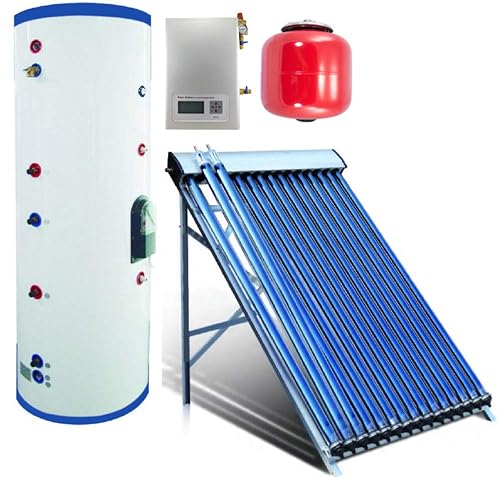
The solar side does the bulk of the work. Collectors on the roof absorb sunlight and transfer heat into a fluid loop, which carries it down to a storage tank through a heat exchanger. The combi boiler sits downstream as a top-up device. If the tank water is already warm enough, the boiler stays off. If the tank is cool, the boiler fires only enough to reach the set temperature at the tap.
Shopping for one? See our guide: 6 Best Indirect Solar Hot Water System Options for Homes (2026).
The key design decision is the control point. In most setups, the boiler is wired to a temperature sensor in the tank or on the outlet of the preheat stage. Without that sensor, the boiler will fire whenever a tap opens, even if the tank is hot, which wastes fuel and defeats the purpose of the solar array.
Preheat versus Full Solar Coverage
Many combi-backed systems are designed as preheat systems. The solar tank feeds cold water into the boiler inlet at 40 to 55°C, and the boiler lifts it the final stretch to the delivery temperature. This is simple and tolerant of partly cloudy days. A full-solar design aims for the tank to hold water at delivery temperature for most of the year, with the boiler acting only as an occasional backup. That requires a larger collector area and a larger tank, and it is more sensitive to winter performance.
Step 1: Assess Your Hot Water Demand and Roof
Before buying anything, measure what you actually use. Households commonly estimate daily hot water in liters per person, but your real number may differ. Note the number of occupants, shower length, and whether you run a dishwasher or washing machine on hot.
- Count daily occupants and estimate litres per person per day for showers, basins and kitchen use.
- Identify your peak morning demand, since that drives tank size more than the daily total.
- Check roof orientation. In the Northern Hemisphere, collectors should face south, with a tilt close to your latitude for year-round use.
- Look for shading from trees, chimneys or neighboring buildings between 9 a.m. and 3 p.m.
- Confirm the roof structure can carry the added weight of collectors, tank and fluid when full.
If your roof is north-facing or heavily shaded, a solar-led system may not hit its target, and you should expect the combi boiler to do more of the heating. That is still a valid setup, but the payback calculation changes.
Step 2: Size the Collectors and Storage Tank
Sizing is where most DIY attempts go wrong. A common rule of thumb for flat-plate collectors is roughly 1 to 1.5 square meters of collector per person for domestic hot water in a sunny climate, with storage of about 50 to 75 liters per person. Evacuated-tube systems often need fewer tubes for the same output, because they perform better in cold and diffuse light. Always check the manufacturer’s rated output and the local solar resource data before finalizing.
Matching the Tank to the Boiler
The tank should be large enough to cover a morning shower peak without the boiler firing. If the tank is undersized, the boiler will run constantly during high-demand periods, and you lose most of the solar benefit. Make sure the tank has a coil or external heat exchanger rated for the collector flow rate, and that it includes an immersion or boiler-connection port if you plan the preheat layout.
| Household size | Typical collector area (sunny climate) | Typical storage volume |
|---|---|---|
| 1 to 2 people | 2 to 3 m² | 100 to 150 L |
| 3 to 4 people | 3 to 5 m² | 200 to 250 L |
| 5 or more | 5 to 7 m² | 300 L or more |
Treat these figures as starting points. Local irradiance, your temperature targets and collector efficiency all shift the result.
Step 3: Plan the Hydraulic Layout
A closed-loop solar circuit uses a glycol-water mix pumped through the collectors and a heat exchanger in the tank. The boiler circuit is separate. Keep the two fluids apart, since mixing potable water with antifreeze is a health hazard and can damage the boiler.
Key components to plan for:
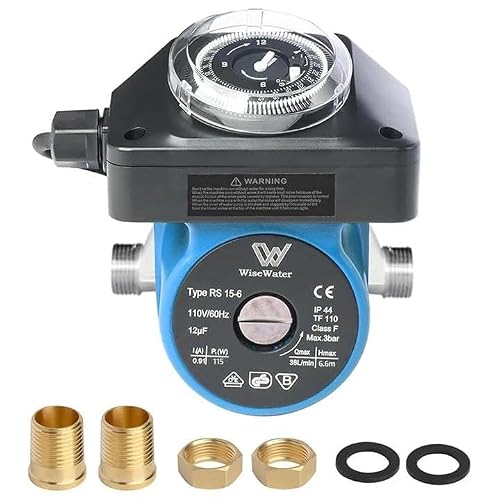
- Circulation pump, sized for the collector loop flow rate
- Expansion vessel rated for the total glycol volume
- Pressure relief valve set to the collector system rating
- Air separator and vent at the highest point of the loop
- Temperature sensor at the tank bottom and collector outlet for the differential controller
- Isolating valves and drain-down points for service
- Mixing valve or thermostatic valve to limit delivery temperature at the taps
Step 4: Connect the Combi Boiler as Backup
This step is where you need to be most careful. The combi boiler must receive preheated water into its cold inlet, and its controls must recognize the preheat temperature. Many manufacturers publish specifications for maximum inlet temperature and minimum flow. If the inlet water exceeds the boiler’s limit, the unit may lock out or be damaged. Read the installation manual for your specific model and confirm the limits before connecting anything.
Typical connection sequence:
- Isolate the mains water and gas supplies, and shut down the boiler at its electrical isolator.
- Install a tee or manifold between the tank outlet and the boiler cold inlet, with isolation valves on both sides.
- Fit a non-return valve on the cold feed to prevent backflow into the solar tank.
- Connect the tank temperature sensor or a separate sensor to the boiler controller if the model supports external preheat input.
- Set the boiler delivery temperature to the value you want at the tap, usually 50 to 60°C at the outlet, and add a thermostatic mixing valve if children or elderly residents are in the home.
- Restore supplies and test each connection for leaks before commissioning.
Gas work, including any change to the boiler’s gas train, should be done by a licensed gas fitter in most jurisdictions. Electrical wiring of the boiler and pump controls may also require a licensed electrician. Consult a professional before doing either.
Step 5: Commission and Test the System
Commissioning confirms the system behaves as designed. Fill and pressurize the solar loop, bleed air thoroughly, and check the expansion vessel pressure against the static head of the collectors. Run the pump on a sunny day and watch the collector outlet temperature rise. A useful test is to draw a hot tap and confirm the boiler stays off when the tank is above the preheat setpoint.
Record the following values during commissioning so you have a baseline for later service:
- Static and operating pressure in the solar loop
- Pump flow rate and differential temperature between collector and tank
- Tank temperature at the top and bottom after a sunny afternoon
- Boiler inlet temperature during a hot draw
- Delivery temperature at the furthest tap
Tools and Materials Checklist
- Pipe cutter, deburring tool and pipe reamer
- Press or soldering kit suited to your pipe material
- Pressure gauge and test pump for leak testing
- Multimeter for checking sensor and pump wiring
- Glycol solution rated for solar use, not automotive antifreeze
- Insulated pipe and fittings rated for the loop temperature
- Thermostatic mixing valve sized for your flow rate
Common Mistakes
- Boiler inlet over the limit. Confirm the manufacturer’s maximum inlet temperature before connecting the preheat tank.
- No non-return valve. Without one, cold feed can flow back into the solar tank during service.
- Undersized tank. The boiler will fire constantly during peak demand and erase solar savings.
- Poor insulation on the loop. Heat loss in the pipe run can drop collector output noticeably on cool mornings.
- Skipping the air separator. Trapped air causes pump noise, flow loss and dry-firing risk.
- Using the wrong fluid. Only solar-rated glycol should circulate in the collector loop.
- No scald protection. Set the boiler and mixing valve so tap water stays at safe temperatures.
Tips for Better Performance
- Set the differential controller start and stop points conservatively to avoid pump short-cycling.
- Keep collector glass clean and check for shading seasonally.
- Log tank temperatures for a few weeks and adjust the boiler preheat setpoint to match real use.
- Schedule an annual inspection of pressure, glycol condition and the expansion vessel.
FAQ
Can any combi boiler work with a solar tank?
Not every model is suited to preheated supply. Check the manufacturer’s maximum inlet temperature and whether the controller accepts an external preheat signal. Some combis are designed for only modest inlet temperatures and may not be appropriate.
Does the boiler run every time I open a tap?
Not if the system is set up correctly. With a tank temperature sensor and preheat logic, the boiler fires only when the incoming water is below the target. On a sunny day with a well-sized tank, it may not fire at all.
How much solar contribution can I expect in winter?
Winter output is lower in most climates because of shorter days and lower sun angles. Many households rely more on the boiler from late autumn through early spring. Local solar data and the collector’s rated performance will give a better estimate than any general figure.
Do I need a licensed plumber or gas fitter?
In most places, yes for gas connections and often for electrical work. Plumbing connections may be permitted for competent owners, but check local codes and insurance requirements before starting.
What glycol should I use in the solar loop?
Use a propylene glycol solution rated for solar thermal systems, mixed to the concentration recommended for your coldest expected temperature. Do not use automotive antifreeze, which is toxic and can degrade seals.
How often does the system need maintenance?
Plan an annual check of pressure, pump operation, glycol condition and the expansion vessel. Clean collector glass as needed, and inspect the boiler according to its service schedule.
Can I add a combi boiler to an existing solar tank?
Often yes, but the tank’s heat exchanger, outlet ports and controls must be compatible with the boiler’s preheat requirements. Have the existing system evaluated before buying a boiler.
Conclusion
A solar hot water system with combi boiler gives you a solar-first setup with reliable on-demand backup. Success depends on sizing the collectors and tank for your real demand, respecting the boiler’s inlet temperature limits, and commissioning the loop carefully. Work through gas and electrical tasks with a licensed professional, and keep good records so the system stays efficient for years.
Related reading
- What's the Best Solar Hot Water System? 3 Top Picks Compared (2026)
- What Is the Cheapest Solar Hot Water System? Options and Trade-Offs
- Top 5 Solar Thermal Storage Tanks for Home Hot Water Systems
Ready to choose one?
About Audrey Hayes
Audrey Hayes is part of our editorial team and reviews and edits our solar water heaters guides, checking product details against manufacturer specifications and owner feedback.