By Ethan Brooks
Updated November 2026
Readers searching for why solar energy is preferred to thermal power usually want a clear answer, but they also want to know where to learn more. This list compares seven books that explain the physics, economics and practical trade-offs behind solar electricity and solar heat. We selected titles based on their stated scope, how clearly they address beginners versus technical readers, whether their subject matter matches the solar-versus-thermal question, and the general patterns owners and readers tend to report about each book’s usefulness.
Our top picks at a glance
- 1
 TOP CHOICEBest overallSolar Power in the Real World: From Watts to GigawattsView on Amazon
- 2
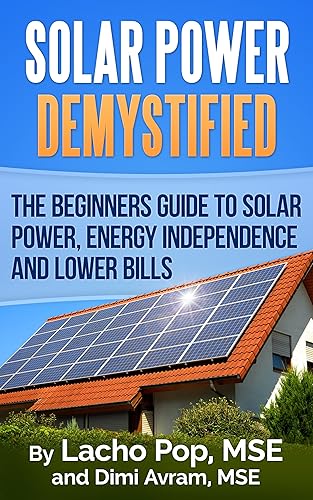 TOP CHOICEBest for complete beginnersSolar Power Demystified: The Beginners GuideView on Amazon
- 3
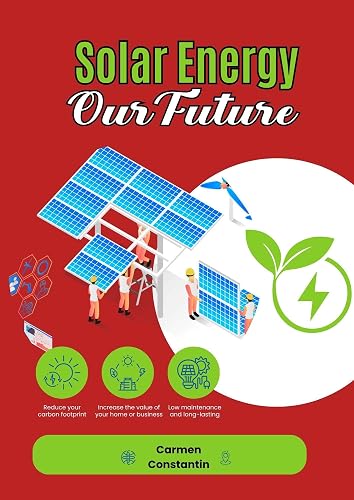 TOP CHOICEBest for a broad sustainability overviewSOLAR ENERGY- OUR FUTURE: A Comprehensive GuideView on Amazon
- 4
 Best for environmental impactSolar Energy and the Environment: Benefits and ImpactView on Amazon
- 5
 Best for off-grid and van life readersSolar Energy Revolution: Unleashing the Power of the SunView on Amazon
- 6
 Best for home and office systemsSolar Electricity Basics, Revised and Updated 2nd EditionView on Amazon
- 7
 Best budget pick for a renewables surveyRenewable Energy Made Easy: Free Energy from Solar, Wind, HydropowerView on Amazon
Our Top Picks
Quick Comparison
| Product | Best for | Key feature |
|---|---|---|
| Solar Power in the Real World | Readers wanting the full system picture | Covers solar, batteries, microgrids and grid-scale storage |
| Solar Power Demystified | Complete beginners | Plain-language coverage of energy independence and bills |
| Solar Energy: Our Future | General sustainability context | Broad guide to harnessing solar for the long term |
| Solar Energy and the Environment | Environmental impact questions | Focus on benefits and ecological effects |
| Solar Energy Revolution | Off-grid and mobile living | Practical framing for van life and independent power |
| Solar Electricity Basics | Homeowners and small offices | Step-by-step guidance for powering a building |
| Renewable Energy Made Easy | Budget-minded surveys | Compares solar, wind, hydro and other sources |
Solar Power in the Real World: From Watts to Gigawatts
Solar Power in the Real World: From Watts to Gigawatts: How Solar, Batteries, EVs, Microgrids, and Grid-Scale Storage Power Modern Life
Best for: Readers who want to see how solar fits into a complete energy system
This book suits readers who already understand the basics and want to see how solar generation connects with batteries, electric vehicles, microgrids and utility-scale storage. Its title signals a scale that runs from household to grid level, which is useful when weighing solar against thermal plants that depend on fuel and steam cycles.
Key specs
- Subject scope: solar, batteries, EVs, microgrids and grid-scale storage
- Format: print book, listed on Amazon US
- Audience: general readers with some technical interest
Pros
- Connects solar generation to the wider grid, which explains why solar fits modern demand
- Covers storage, a key factor in comparing solar with dispatchable thermal plants
- Broad enough to serve as a single reference
Cons
- Breadth can mean less depth on any single topic
- May be more than a casual reader needs
Bottom line: Pick this if you want the strongest big-picture view of why solar is winning over thermal generation in modern grids.
Solar Power Demystified: The Beginners Guide
Solar Power Demystified: The Beginners Guide To Solar Power, Energy Independence And Lower Bills
Best for: Complete beginners
If you have never studied energy systems, this guide is built around the questions a newcomer asks first: how panels work, what drives electricity bills, and how independence from the utility is achieved. It is a good starting point before tackling technical texts on thermal cycles.
Key specs
- Subject scope: solar basics, energy independence and bill savings
- Audience: beginners with no engineering background
Pros
- Plain-language approach suits first-time readers
- Ties solar directly to household bills, a common reason people prefer it
- Short path to understanding the core advantages
Cons
- Limited coverage of thermal power comparisons
- Less suited to engineers or students needing equations
Bottom line: The right first book for anyone who wants the case for solar explained without jargon.
SOLAR ENERGY- OUR FUTURE: A Comprehensive Guide
SOLAR ENERGY- OUR FUTURE: A Comprehensive Guide to Harnessing the Sun's Power for a Sustainable Future
Best for: Readers wanting a broad sustainability overview
This comprehensive guide frames solar as a long-term answer to energy demand. It fits readers who care about the sustainability argument behind solar preference, such as emissions, resource use and reliance on fuel-based generation.
Key specs
- Subject scope: harnessing solar power for a sustainable future
- Audience: general readers and students
Pros
- Strong framing around sustainability, a major reason solar is favored
- Comprehensive in scope for a general reader
- Useful context for policy and personal decisions
Cons
- Less technical detail on how thermal plants compare
- Broad focus can feel general to specialists
Bottom line: A good choice for readers who want the big-picture sustainability case before diving into engineering detail.
Solar Energy and the Environment: Benefits and Impact
Solar Energy and the Environment: Benefits and Impact (Solar Power Simplified: A Beginner's Guide to Harnessing the Sun Book 8)
Best for: Readers focused on environmental impact
Part of a beginner series, this title concentrates on the environmental benefits of solar and how its impact compares with other sources. It suits anyone whose reason for preferring solar is ecological rather than purely financial.
Key specs
- Subject scope: environmental benefits and impact of solar energy
- Series: part of a beginner-oriented solar series
Pros
- Directly addresses the environmental side of the solar-versus-thermal debate
- Accessible writing typical of the series
- Short, focused read
Cons
- Narrower than a full overview of solar technology
- Limited on engineering comparisons
Bottom line: Ideal if environmental performance is your main question about solar compared with thermal generation.
Solar Energy Revolution: Unleashing the Power of the Sun
Solar Energy Revolution: Unleashing the Power of the Sun for a Brighter Future (Nomad's Haven: Mastering the Van Life)
Best for: Off-grid and mobile living readers
This title is framed around van life and independent living, which makes it useful for readers who depend on self-contained power. Off-grid setups highlight a core reason solar is preferred: it can be installed at small scale without a fuel supply or large steam equipment.
Key specs
- Subject scope: solar power for independent and mobile living
- Series: part of the Nomad’s Haven van-life series
Pros
- Practical framing for small-scale, self-sufficient systems
- Shows solar working without a fuel supply
- Relatable examples for non-specialists
Cons
- Lifestyle focus may not suit stationary or utility-scale readers
- Less coverage of thermal plant economics
Bottom line: Best for readers who need solar power in a compact, independent setup.
Solar Electricity Basics, Revised and Updated 2nd Edition
Solar Electricity Basics – Revised and Updated 2nd Edition: Powering Your Home or Office with Solar Energy
Best for: Homeowners and small offices
This revised edition is aimed at people planning to power a home or office with solar. It walks through the practical side of sizing and installing a system, which helps you judge whether solar is a realistic replacement for a fuel-based supply.
Key specs
- Subject scope: powering homes and offices with solar electricity
- Edition: revised and updated 2nd edition
Pros
- Practical orientation for real buildings
- Revised edition covers updated practices
- Helpful for planning, not just theory
Cons
- Less focus on thermal power comparisons
- Technical sections may challenge complete beginners
Bottom line: A strong pick for anyone moving from understanding solar to planning a system.
Renewable Energy Made Easy: Free Energy from Solar, Wind, Hydropower
Renewable Energy Made Easy: Free Energy from Solar, Wind, Hydropower, and Other Alternative Energy Sources
Best for: Budget-minded readers surveying renewables
This book covers several renewable sources, so it works as a survey rather than a solar specialist. It is useful if you want to see how solar stacks up against wind, hydropower and other alternatives before deciding where to focus.
Key specs
- Subject scope: solar, wind, hydropower and other alternative sources
- Audience: general readers new to renewables
Pros
- Compares several sources in one place
- Accessible for general readers
- Good context for weighing solar against other options
Cons
- Solar coverage is shallower than in dedicated solar titles
- Older title, so check whether newer material is needed
Bottom line: A sensible starting point if you are still deciding which renewable source fits your needs.
Buying Guide
Scope: Solar Basics Versus Full Systems
Decide whether you need an introduction to solar or a detailed system view. Beginner books explain panels and bills, while system-level books cover storage, grid integration and planning. Match the scope to your goal before buying.
Good picks for this: Solar Power Demystified, Solar Power in the Real World
Thermal Power Coverage
Your core question is solar versus thermal, so check whether the book addresses steam cycles, fuel supply and dispatchability. Many solar titles mention thermal power only briefly, so look at the table of contents.
Good picks for this: Solar Power in the Real World, Renewable Energy Made Easy
Technical Depth
Students and engineers need equations and worked examples. General readers often prefer diagrams and plain-language explanations. A mismatch in depth is the most common reason readers abandon a technical book.
Good picks for this: Solar Electricity Basics, Solar Power Demystified
Edition and Currency
Solar technology and policy change. Check the publication date and whether the edition is revised. A recent or updated edition helps when comparing current costs and performance claims.
Good picks for this: Solar Electricity Basics, Solar Energy: Our Future
Environmental Focus
If your reason for preferring solar is emissions or ecological impact, look for titles that address lifecycle effects and environmental trade-offs directly rather than only mentioning clean energy in passing.
Good picks for this: Solar Energy and the Environment, Solar Energy: Our Future
Practical Application
Think about where you will use what you learn. Off-grid, home and office readers need different examples. A book aimed at mobile living will not cover building-scale permitting, and vice versa.
Good picks for this: Solar Energy Revolution, Solar Electricity Basics
Format and Reading Time
Shorter series titles suit a quick read, while comprehensive guides take longer. Decide how much time you can commit before choosing between a focused book and a broad reference.
Good picks for this: Solar Energy and the Environment, Renewable Energy Made Easy
FAQ
Why is solar energy preferred to thermal power?
Solar is often preferred because it has no fuel cost, produces no direct combustion emissions, and can be installed at small scales. Thermal plants depend on fuel supply and steam cycles, which add operating complexity. Preference also depends on location, storage needs and local policy.
Is solar thermal the same as solar photovoltaic?
No. Solar thermal systems use the sun’s heat, often for water or steam, while photovoltaic systems convert light directly into electricity. Many books blur the two, so check which technology a title covers. For a comparison, see Thermal vs Photovoltaic Solar Power (2026): Which Is Better for Your Home?.
Do solar plants work at night?
Photovoltaic systems do not generate at night without storage. Some concentrated solar thermal plants store heat to run after dark. Storage is one of the main factors in the solar-versus-thermal debate, so books that cover batteries and thermal storage are worth prioritizing.
Which book is best for a total beginner?
Solar Power Demystified is written for readers without an engineering background and focuses on the questions newcomers ask first. Pair it with a broader book later if you need more depth.
Are these books enough to plan a solar installation?
General books give useful background, but installation depends on local codes, roof structure, load calculations and utility rules. Consult a licensed installer or electrician before making decisions about your system.
How does solar compare with other renewables?
Solar, wind and hydropower each have different strengths depending on site conditions. Renewable Energy Made Easy surveys several sources. For background on thermal options, see What Is Thermal Solar Energy? How It Works and Where It Is Used.
Can I learn about concentrated solar power from these books?
Only partly. Most titles here focus on solar electricity or general solar concepts. For concentrated solar thermal technology, consider Top 6 Concentrated Solar Thermal Energy Books Compared (2026) or Solar Thermal Power Plant in Rajasthan: How It Works and Why It Matters for a real-world example.
Conclusion
Solar energy is preferred over thermal power for many reasons, including fuel independence, lower direct emissions and modular installation. The right book depends on your starting point. Beginners should start with Solar Power Demystified. Readers wanting the full system view should choose Solar Power in the Real World. Environmentally focused readers will find Solar Energy and the Environment useful, while homeowners planning a system should consider Solar Electricity Basics. Off-grid readers may prefer Solar Energy Revolution, and budget-minded readers surveying all renewables can start with Renewable Energy Made Easy. Choose the title that matches your question, then check reviews and publication dates before buying.
Sources
- Federal guidance on solar technologies, system types and how solar compares with other generation sources (energy.gov)
- Research on solar performance, costs and grid integration from the national renewable energy laboratory (nrel.gov)
- Data and analysis on US electricity generation by source, including solar and thermal plants (eia.gov)
Before you buy: helpful guides
About Ethan Brooks
Ethan Brooks is part of our editorial team and reviews and edits our solar water heaters guides, checking product details against manufacturer specifications and owner feedback.