By Graham Fisher
Updated November 2026
Choosing a split solar water heater means balancing where the storage tank sits, how the collectors are mounted, and how the pump and controls are wired. This list compares seven split-system products on the criteria that matter most for home use: separation between tank and collector, collector type, controller quality, pressure rating, and how well each product suits a DIY or professional install. Product details come from manufacturer specifications and listing information, and owner feedback patterns are noted where they are commonly reported.
Our top picks at a glance
- 1
 TOP CHOICEBest overall300 Liter SUS304 Passive Duda Solar Water HeaterView on Amazon
- 2
 TOP CHOICEBest for a separate collector arrayMISOL Solar Collector of Solar Hot Water Heater with 10 Evacuated TubesView on Amazon
- 3
 TOP CHOICEBest for pressurized controlsMISOL 110V Controller of Solar Water HeaterView on Amazon
- 4
 Best for pool-style heating30 Tube Water Heater Pool Collector Evacuated Vacuum TubesView on Amazon
- 5
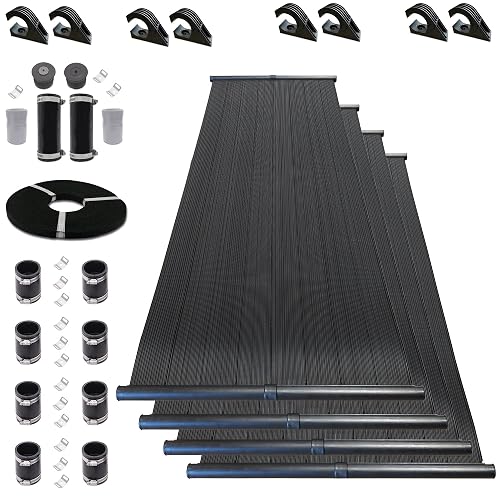 Best for a DIY buildHighest Performing Design DIY Solar Pool Heater KitView on Amazon
- 6
 Best for flat-panel setupsSW-38 Solar Water Heater PanelsView on Amazon
- 7
 Best for smaller householdsDuda Solar 180 Liter Standard Passive Water Heater Attached PressurizeView on Amazon
Our Top Picks
Quick Comparison
| Product | Best for | Key feature |
|---|---|---|
| 300 Liter SUS304 Passive Duda Solar Water Heater | Overall split-system use | Stainless SUS304 tank |
| MISOL Solar Collector with 10 Evacuated Tubes | Separate collector array | 10 heat-pipe tubes |
| MISOL 110V Controller | Pressurized split systems | 110V pump control |
| 30 Tube Water Heater Pool Collector | Pool-style heating | 30 vacuum tubes |
| Highest Performing Design DIY Solar Pool Heater Kit | DIY builders | Kit with header included |
| SW-38 Solar Water Heater Panels | Flat-panel arrays | Panel-based collection |
| 180 Liter Standard Passive Water Heater | Smaller households | 180 L pressurized tank |
300 Liter SUS304 Passive Duda Solar Water Heater
300 Liter SUS304 Passive Duda Solar Water Heater Attached Pressurized Tank Evacuated Tubes Hot
Best for: Overall split-system use with a larger tank.
Suited to households that want a bigger storage volume and a stainless tank that is separated from the collector.
Pros
- Stainless SUS304 construction
- Pressurized attached tank
Cons
- Large footprint for tight spaces
MISOL Solar Collector of Solar Hot Water Heater with 10 Evacuated Tubes
MISOL Solar Collector of Solar Hot Water Heater/with 10 Evacuated Tubes/Heat Pipe Vacuum Tubes
Best for: Separate collector array mounted away from the tank.
Fits owners who need a standalone collector to pair with an existing or separately mounted storage tank.
Pros
- Heat-pipe vacuum tube design
- Works with separated tank layouts
Cons
- Requires a matching tank and controller
MISOL 110V Controller of Solar Water Heater
MISOL 110V Controller of Solar Water Heater, Used for Separated pressurized Solar hot Water System
Best for: Pressurized split systems that need reliable pump control.
Useful for installers and DIYers who want an electronic controller to manage circulation between collector and tank.
Pros
- Designed for separated pressurized systems
- 110V mains operation
Cons
- Requires basic electrical wiring knowledge
30 Tube Water Heater Pool Collector Evacuated Vacuum Tubes
30 Tube Water Heater Pool Collector Evacuated Vacuum Tubes Hot
Best for: Pool-style heating and lower-pressure applications.
Aimed at owners who want a larger tube count for warming water in a separated setup rather than domestic hot water storage.
Pros
- 30 evacuated tubes for higher collection area
Cons
- Not a complete domestic system on its own
Highest Performing Design DIY Solar Pool Heater Kit
Highest Performing Design – DIY Solar Pool Heater Kit – 15-20 Year Life Expectancy (4-4×10 / 1.5" I.D. Header)
Best for: DIY builders who want a kit with header and collector parts.
Suits people comfortable assembling a split loop from kit components and checking fittings for leaks.
Pros
- Includes header hardware
- Manufacturer lists a 15 to 20 year service life
Cons
- Pool-focused design may need adaptation for domestic use
SW-38 Solar Water Heater Panels
SW-38 Solar Water Heater Panels
Best for: Flat-panel arrays in a split configuration.
A fit for owners who prefer panel-style collectors over tube designs and have roof or ground space for mounting.
Pros
- Panel format is straightforward to mount
Cons
- Owners often report lower output in cold months than tube designs
Buying Guide
Tank and Collector Separation
A split system places the storage tank apart from the collectors, often with the tank indoors or in a sheltered spot and the collectors on the roof or a sunny yard area. Before buying, measure the distance between the planned collector location and the tank location, and confirm the product’s pipe run allowances and insulation needs for that distance.
Collector Type and Tube Design
Evacuated tube collectors tend to retain heat better in cold or cloudy weather, while flat-plate-style panels are often simpler and less expensive to install. Consider your climate and how much roof or yard space you have, since tube count and collector size directly affect how much water you can heat.
Controller and Pump Compatibility
A reliable controller manages the circulation pump, sensors, and freeze or overheat protection, which matters most in split systems where fluid moves between the roof and the tank. Check the voltage, sensor types, and whether the controller is designed for pressurized separated systems so you do not end up buying mismatched parts.
Pressure Rating and Materials
Pressurized tanks and stainless steel construction generally handle household water pressure and resist corrosion better over time. Confirm the pressure rating matches your home’s water supply and that fittings and piping are compatible with local plumbing codes.
DIY Suitability Versus Professional Installation
Some kits are aimed at experienced DIY builders who are comfortable with plumbing, wiring, and roof work, while others are better left to a licensed installer. Factor in local permit requirements, roof load limits, and whether your installer or inspector will need specific documentation before you commit.
FAQ
What is a split solar water heater?
A split solar water heater separates the storage tank from the solar collectors, so the tank can sit indoors or in a protected location while the collectors receive full sun outdoors. A pump moves fluid between the two, controlled by sensors and a controller. This layout often suits homes where roof space or tank placement is limited.
Do split systems work in cold climates?
They can, but freeze protection is essential, and the design of the collectors and fluid loop matters a great deal. Many owners in colder regions choose systems with appropriate freeze-protection controls and insulated piping. Check the manufacturer’s guidance for your local temperature range before buying.
Do I need a backup heater?
Most households keep a backup heating source, such as an electric element or gas unit, for cloudy days and periods of high demand. A solar system typically covers a large share of hot water needs but rarely all of it year-round. Plan for a backup so you always have hot water when solar output is low.
Can I install a split solar water heater myself?
Some people with solid plumbing, electrical, and roofing skills complete DIY installations successfully. However, you should confirm local permit and inspection rules first, and consider hiring a licensed professional for roof penetrations, electrical connections, or anything your local code requires. Safety and warranty coverage can depend on proper installation.
How long do these systems usually last?
Lifespan depends on materials, maintenance, water quality, and climate, and manufacturers’ stated life expectancies vary. Regular checks of the pump, controller, seals, and fluid condition help extend service life. Review the warranty terms and expected service life listed for each product before deciding.
Conclusion
If you want a pressurized, stainless steel tank paired with evacuated tubes for a conventional home setup, the larger tank-and-collector packages are a strong starting point. Those comfortable with DIY projects and pool or auxiliary heating may find the kit-style collectors and standalone controller more flexible for building a custom split system.
Households with limited space or a focus on controls and reliability should prioritize a well-matched controller and collector set, while those with a tight budget may favor a simpler passive design. Match the system’s size, pressure rating, and installation requirements to your home, and confirm local code compliance before you buy.
Related reading
- Winterizing a DIY Solar Water Heater: Freeze Protection Options
- Why Does My Solar Water Heater Timer Stop Working? Causes and Fixes
- Which Brand Solar Water Heater Is Best? 5 Top Picks Compared (2026)
About Graham Fisher
Graham Fisher is part of our editorial team and reviews and edits our solar water heaters guides, checking product details against manufacturer specifications and owner feedback.