 By Graham Fisher
Updated November 2026
A solar panel tankless water heater uses one or more sun-facing collectors to raise water temperature, and a tankless unit or heat exchanger delivers that heat on demand instead of storing it in a tank. In this guide you will learn how the system is put together, how to size the collector and the backup heater, and the order of steps for mounting and plumbing it. The job is manageable for a handy homeowner, but gas, electrical and roof work should be checked by a licensed professional where local code requires it.
How the System Fits Together
Most setups pair a flat-plate or evacuated-tube collector with a small pump, a controller and a tankless heater that sits after the collector. Cold water flows through the panel, picks up heat, and then passes through the tankless unit. If the water is already hot enough, the tankless heater does nothing. If not, it adds the remaining temperature rise. Because there is no storage tank, the collector needs to be sized to deliver usable temperatures during the hours you actually draw water, not just during midday.
Shopping for one? See our guide: 5 Best Solar Batch Water Heaters for Homeowners (2026).
Sizing the Collector and Backup Heater
Start with your daily hot water use. A common rule of thumb is about 15 to 20 gallons per person per day for household use, though your habits may differ. Compare that figure with what a single collector can heat in a sunny day at your location. Many owners find that a collector covering a moderate share of their load, with a tankless unit covering the rest, is more reliable than trying to cover everything with solar alone. Flow rate matters too: the tankless unit must handle your peak simultaneous draw, such as a shower and a dishwasher running together.
Installation Steps
Work in this order to avoid rework:
- Choose a mounting location that faces south in the Northern Hemisphere with minimal shade between roughly 9 a.m. and 3 p.m.
- Mount the collector at an angle near your latitude, using manufacturer-approved racking and flashing.
- Run supply and return lines with insulated copper or PEX rated for the temperatures involved.
- Install the pump, expansion tank and any check valves, then the controller and temperature sensors.
- Place the tankless heater downstream of the collector, with a thermostatic mixing valve at the fixtures to prevent scalding.
- Pressure-test the loop, fill it with the correct heat transfer fluid if your design uses one, and purge air.
Electrical and Control Details
The controller should switch the pump based on the temperature difference between the collector and the storage or inlet point. Keep the sensor cable away from high-voltage wiring, and use a dedicated circuit for the tankless backup unit. Electrical work should be done by a licensed electrician.
Materials and Tools Checklist
- Solar collector(s) with mounting hardware and flashing
- Insulated supply and return piping, fittings and pipe insulation
- Circulating pump, expansion tank, check and isolation valves
- Differential temperature controller and sensors
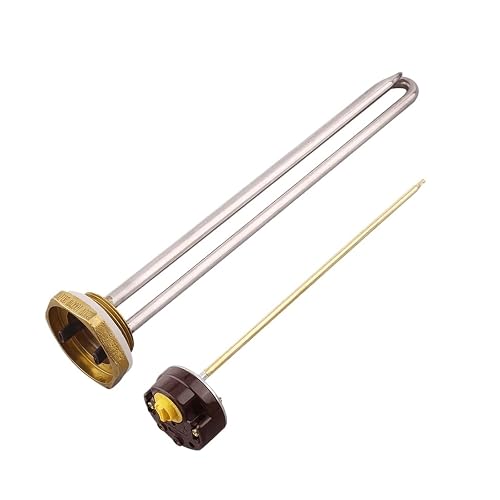
- Tankless water heater sized for peak flow
- Thermostatic mixing valve
- Pipe cutter, torch or crimping tool, pressure gauge, and a multimeter
Common Mistakes
- Undersizing the collector for winter or cloudy weeks, then relying on the backup heater more than expected.
- Skipping pipe insulation, which wastes heat before it reaches the fixtures.
- Ignoring water hardness; scale can clog heat exchangers and reduce output.
- Running a tankless unit at a flow rate below its minimum activation, which causes cycling.
- Leaving out a mixing valve, which allows dangerously hot water at the tap.
Recommended gear
- A pipe insulation kit rated for hot water lines helps limit heat loss between the collector and fixtures. View on Amazon
- A thermostatic mixing valve protects users from scalding at the tap and is required in many installations. View on Amazon
- A digital differential temperature controller makes pump control and troubleshooting simpler. View on Amazon
For related reading, see Tankless Water Heater Solar: How It Works and How to Set One Up and Water Quality and Scaling in Solar Water Heaters before finalizing your design.
FAQ
Can a solar panel tankless water heater work in winter?
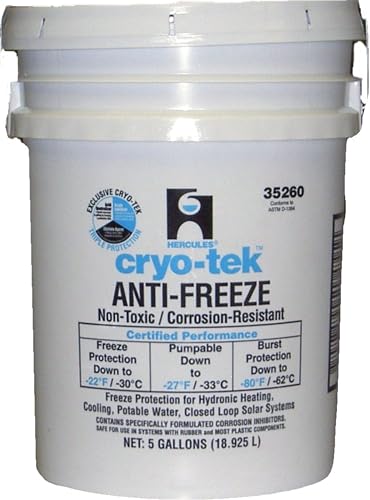
It can, but output drops in cold, cloudy weather, so the backup tankless heater will do more work. Freeze protection through drain-back or glycol loops is essential in freezing climates.
Do I need a permit?
Many jurisdictions require permits for roof-mounted systems and gas or electrical connections. Check with your local building department before starting.
How long does a setup like this last?
Collector and piping lifespans vary with materials, climate and maintenance, and manufacturers’ stated warranties are the best reference. Regular checks of fluid, pressure and sensors help extend service life.
Conclusion
A solar panel tankless water heater combines a sun-driven collector with on-demand heating, giving you hot water without a storage tank. Size the collector and backup unit to your real daily use, insulate every line, and include a mixing valve. Confirm local code and consult a licensed professional for gas, electrical or roof work.
Related reading
Ready to choose one?
About Graham Fisher
Graham Fisher is part of our editorial team and reviews and edits our solar water heaters guides, checking product details against manufacturer specifications and owner feedback.