 By Graham Fisher
Updated November 2026
A solar electric tankless water heater gives you on-demand hot water without a storage tank, and it can be paired with a solar electric setup to reduce grid draw. The right unit depends on your voltage, your peak flow rate, and how many fixtures you need to serve at once. The picks below are ranked by how well each one matches those criteria, based on manufacturer specifications and common owner feedback patterns.
Our top picks at a glance
- 1
 TOP CHOICEBest overallRheem 18kW 240V Tankless Electric Water Heater, GrayView on Amazon
- 2
 TOP CHOICEBest for high-flow whole-home useEcoSmart ECOS 18 Tankless Electric Water Heater, 18 Kw at 240 VoltsView on Amazon
- 3
 TOP CHOICEBest for multi-fixture homesRheem 11kW Multi Fixture Tankless Electric Water Heater – 240VView on Amazon
- 4
 Best for a single point of useRheem 3.5kW Point-of-Use Thermostatic Tankless Electric Water Heater – 120VView on Amazon
- 5
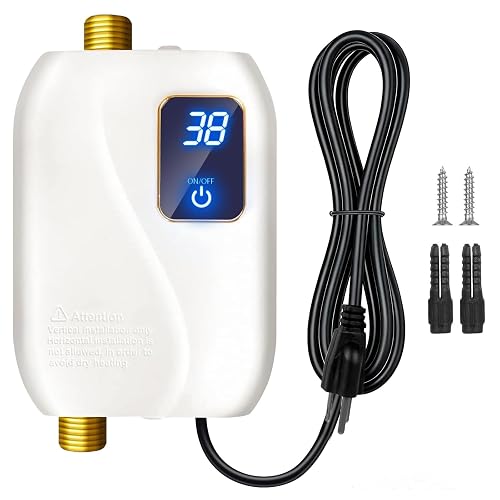 Best for 110V under-sink installs110V Tankless Water Heater Electric, 3000W Tankless Electric Water HeaView on Amazon
- 6
 Best budget 110V alternativeTankless Water Heater Electric, 3000W Tankless Electric Water Heater 110VView on Amazon
Our Top Picks
| Product | Best for | Key feature |
|---|---|---|
| Rheem 18kW 240V Tankless Electric Water Heater, Gray | Whole-home supply | 18kW 240V output |
| 110V Tankless Water Heater Electric, 3000W | Under-sink installs | 110V, digital display |
| Tankless Water Heater Electric, 3000W 110V | Budget 110V setups | 3000W on-demand heating |
| Rheem 3.5kW Point-of-Use Thermostatic Tankless Electric Water Heater | Single fixture use | Thermostatic 120V control |
| Rheem 11kW Multi Fixture Tankless Electric Water Heater | Multi-fixture homes | 11kW 240V multi-outlet |
| EcoSmart ECOS 18 Tankless Electric Water Heater | High-flow demand | Self-modulating technology |
Rheem 18kW 240V Tankless Electric Water Heater, Gray
Rheem 18kW 240V Tankless Electric Water Heater, Gray
Best for: Whole-home supply
This suits homeowners who want one unit to handle showers and kitchen use together on a 240V circuit.
Pros
- High 18kW output for simultaneous demand
- 240V operation supports larger flow rates
Cons
- Requires a dedicated 240V circuit and proper sizing
110V Tankless Water Heater Electric, 3000W Instant Under Sink Water Heater with Digital Display
110V Tankless Water Heater Electric, 3000W Tankless Electric Water Heater Instant, Under Sink Water Heater with Digital Display, On Demand Hot Water Heaters Electric for Kitchen Washin Bathroom.
Best for: Under-sink installs
A compact option for renters or small kitchens where a 240V circuit is not available.
Pros
- Runs on standard 110V household outlets
- Digital display for temperature readout
Cons
- Lower output limits use to one fixture at a time
Tankless Water Heater Electric, 3000W Tankless Electric Water Heater 110V
Tankless Water Heater Electric, 3000W Tankless Electric Water Heater 110V, On Demand Hot Water Heater Electric with Digital Display, Electric Tankless Hot Water Heater for Kitchen Bathroom Washin
Best for: Budget 110V setups
Fits users who want a low-power point-of-use unit for a bathroom or washing station.
Pros
- Simple on-demand operation with digital display
- Fits tight spaces under a sink
Cons
- Limited flow rate for showers
Rheem 3.5kW Point-of-Use Thermostatic Tankless Electric Water Heater – 120V
Rheem 3.5kW Point-of-Use Thermostatic Tankless Electric Water Heater – 120V
Best for: Single point of use
Best for a single sink or handwashing station where thermostatic control matters.
Pros
- Thermostatic control for steadier temperature
- 120V operation
Cons
- Serves only one fixture well
Rheem 11kW Multi Fixture Tankless Electric Water Heater – 240V
Rheem 11kW Multi Fixture Tankless Electric Water Heater – 240V
Best for: Multi-fixture homes
A middle-size option for households running two fixtures at once.
Pros
- Balanced 11kW output for multiple outlets
- 240V rating for stable performance
Cons
- Needs a 240V circuit and adequate wiring
EcoSmart ECOS 18 Tankless Electric Water Heater, 18 Kw at 240 Volts
EcoSmart ECOS 18 Tankless Electric Water Heater, 18 Kw at 240 Volts, 75 Amps with Patented Self Modulating Technology
Best for: High-flow demand
Suits larger households that want modulated output matched to demand.
Pros
- Self-modulating technology adjusts power to flow
- 18kW at 240V for higher flow
Cons
- Heavy 75-amp draw requires a robust electrical service
Buying Guide
Voltage and circuit capacity
Check whether your panel offers a 240V circuit, since 240V units deliver more flow than 110V or 120V models. Confirm the amperage your breaker and wire gauge can handle before buying.
Flow rate and fixture count
Add up the flow rates of the fixtures you expect to run at once. A unit rated for one fixture will struggle if two showers run together.
FAQ
Can a solar electric tankless water heater run entirely on solar power?
Most electric tankless units draw a large amount of power while heating, so they typically need to be connected to the grid or a battery system sized for that load. Solar panels can offset a meaningful share of your electricity use, but a full off-grid setup usually requires substantial battery storage. Check your solar system’s output and battery capacity before counting on it to supply the heater.
Do I need a 240V circuit for an electric tankless water heater?
Whole-home and higher-kilowatt models generally require a 240V circuit, while point-of-use units rated for 120V can plug into a standard outlet. Higher-output units also need a dedicated breaker of the correct amperage and wire gauge. An electrician should confirm your panel capacity and wiring before installation.
What flow rate do I need for a whole house?
Estimate the maximum number of fixtures you expect to run at the same time, such as a shower and a dishwasher, and add up their typical flow rates. Choose a unit that can deliver that combined flow at your desired temperature rise, especially in cold winter groundwater conditions. Undersizing is the most common cause of disappointing performance.
Are electric tankless heaters efficient compared with storage tanks?
Tankless units avoid standby heat loss from storing water, which can make them more efficient for light or intermittent use. Efficiency gains depend heavily on how often hot water is drawn and how far the unit sits from the fixtures. Pairing one with a solar system can further reduce the energy cost of running it.
Do these heaters need regular maintenance?
Electric tankless units benefit from periodic descaling in areas with hard water, since mineral buildup can reduce heating performance over time. Inspect inlet screens for debris and check connections for leaks at least once a year. Follow the manufacturer’s maintenance schedule and warranty requirements.
Can I install one myself?
Point-of-use 120V units are often simpler to install, but any unit requiring new wiring, a dedicated circuit, or changes to the water supply should be handled by a licensed professional. Local codes and permit requirements vary, and improper installation can create fire or scald hazards. When in doubt, hire a qualified installer.
Conclusion
If you need to supply a whole house or several fixtures at once, a higher-kilowatt 240V unit such as the Rheem 18kW or EcoSmart ECOS 18 is the better fit, provided your electrical service can support it. For a single sink, bathroom, or kitchen location, a point-of-use 120V or 3000W model is the simpler and more affordable choice.
The Rheem 11kW multi-fixture unit sits between those two options and suits homes with a few outlets that may run together. Match your voltage, flow requirement, and solar capacity first, and the right option within this list will usually become clear.
Related reading
- Top 5 Electric Tankless Water Heaters with Solar Panels Options Compared
- Top 5 Electric Tankless Water Heaters with Solar Panels Options Compared
- Top 6 Solar Tankless Hot Water Heater Options Compared for 2026
- Top 6 Solar Electric Hot Water Heater Options Compared for Home Use
- Top 5 Solar Water Heaters with Electric Backup Options Compared for Homes
About Graham Fisher
Graham Fisher is part of our editorial team and reviews and edits our solar water heaters guides, checking product details against manufacturer specifications and owner feedback.