By Ethan Brooks
Updated November 2026
If you want to list solar thermal energy applications clearly, you need reference material that explains how sunlight is converted to heat and where that heat gets used: domestic hot water, space heating, process heat, pool heating and concentrating power plants. This comparison looks at three books that cover that ground from different angles, from building-integrated hybrid systems to general solar engineering. Each pick was evaluated against four criteria: how thoroughly it covers thermal applications rather than only photovoltaics, how current the content appears to be, whether the level suits a motivated non-specialist or an engineering student, and the consistency of owner feedback about readability and usefulness.
Our top picks at a glance
- 1
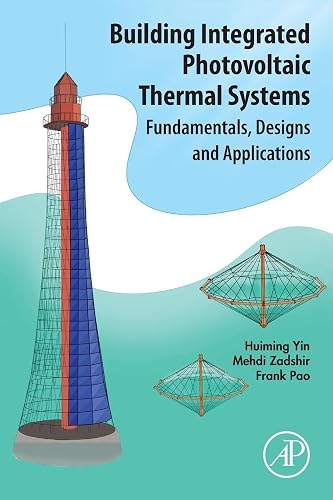 TOP CHOICEBest overallBuilding Integrated Photovoltaic Thermal Systems: Fundamentals, Designs and ApplicationsView on Amazon
- 2
 Best for general solar engineering referenceHandbook of Solar Energy: Theory, Analysis and ApplicationsView on Amazon
- 3
 Best budget pick for a first readSolar Energy: Concepts and ApplicationsView on Amazon
Our Top Picks
Quick Comparison
| Product | Best for | Key feature |
|---|---|---|
| Building Integrated Photovoltaic Thermal Systems: Fundamentals, Designs and Applications | Readers focused on combined PV-thermal and building-integrated applications | Covers hybrid collectors that produce electricity and usable heat together |
| Handbook of Solar Energy: Theory, Analysis and Applications | Engineers and students who want broad, formula-driven coverage | Wide scope spanning thermal collection, storage and system analysis |
| Solar Energy: Concepts and Applications | Beginners and general readers wanting an accessible overview | Introductory structure that connects concepts to real uses |
Building Integrated Photovoltaic Thermal Systems: Fundamentals, Designs and Applications
Building Integrated Photovoltaic Thermal Systems: Fundamentals, Designs and Applications
Best for: Combined PV-thermal and building-integrated applications
This book suits architects, building services engineers and researchers who want to know how solar heat is captured within building envelopes. Its subject matter sits at the point where solar thermal and photovoltaics meet, which makes it especially useful when you list solar thermal energy applications that also generate electricity.
Key specs:
- Subject focus: building-integrated photovoltaic thermal (BIPVT) systems
- Covers fundamentals, system designs and application case contexts
- Format: technical monograph
Pros:
- Directly addresses hybrid collectors that produce heat and electricity
- Useful framing for building-scale applications such as facade and roof integration
- Clear separation between fundamentals and design material
Cons:
- Narrower than a general solar handbook if you only care about water heating
- Assumes some comfort with thermodynamics and heat transfer
Bottom line: Pick this if your interest is solar systems built into buildings, especially hybrid thermal-electric designs.
Handbook of Solar Energy: Theory, Analysis and Applications
Handbook of Solar Energy: Theory, Analysis and Applications (Energy Systems in Electrical Engineering)
Best for: General solar engineering reference
This handbook fits engineering students and practicing engineers who need a wide reference covering solar thermal collection, storage and system-level analysis. It is the most comprehensive of the three, so it works well as a desk reference when you need to list solar thermal energy applications alongside the calculations behind them.
Key specs:
- Subject focus: theory, analysis and applications of solar energy
- Part of the Energy Systems in Electrical Engineering series
- Format: reference handbook
Pros:
- Broad scope across thermal and related solar topics
- Analytical emphasis useful for sizing and performance work
- Good companion to design standards and manufacturer data
Cons:
- Dense and mathematical, which can be heavy for casual readers
- Less focused on residential installation practice
Bottom line: Choose this if you want one thorough reference and are comfortable with equations.
Solar Energy: Concepts and Applications
Solar Energy: Concepts and Applications
Best for: Beginners and general readers wanting an accessible overview
This title is the easiest entry point of the three. It suits homeowners, students and technicians who want to understand the main ways sunlight is used before committing to deeper engineering material. Owners often report that it helps them connect everyday applications to the underlying principles.
Key specs:
- Subject focus: solar energy concepts and their practical uses
- Introductory level suited to a first read
- Format: general-interest book
Pros:
- Approachable language for readers without an engineering background
- Connects concepts to recognizable applications
- Quick to read and good for building a foundation
Cons:
- Less depth for design calculations or advanced system analysis
- May need supplementing with more technical references
Bottom line: Start here if you are new to solar and want a clear map of applications before going deeper.
Buying Guide
Coverage of thermal applications
Check whether the book actually treats thermal collection, not just photovoltaics. Look for chapters on water heating, space heating, process heat and, if relevant, concentrating systems. A title that lists solar thermal energy applications only in passing will leave you with gaps.
Good picks for this: Handbook of Solar Energy: Theory, Analysis and Applications; Building Integrated Photovoltaic Thermal Systems: Fundamentals, Designs and Applications
Technical level
Decide whether you need conceptual explanations or equations you can apply. Beginners benefit from plain-language overviews, while engineers need worked analysis. Mismatched difficulty is the most common reason readers abandon a technical book.
Good picks for this: Solar Energy: Concepts and Applications; Handbook of Solar Energy: Theory, Analysis and Applications
Publication currency
Solar technology changes steadily, so check the publication date and whether the content reflects current collector types and system designs. Older titles remain valid for fundamentals but may understate newer hybrid approaches.
Good picks for this: Building Integrated Photovoltaic Thermal Systems: Fundamentals, Designs and Applications
Use case and audience
Match the book to your goal. Homeowners weighing a system, students preparing for exams and designers planning a building all need different depth. Ask yourself whether you want a reference to consult or a book to read straight through.
Good picks for this: Solar Energy: Concepts and Applications; Handbook of Solar Energy: Theory, Analysis and Applications
Depth of worked examples
Worked examples show how theory translates into sizing and performance. If you plan to calculate collector area or storage volume, prioritize books with clear examples and step-by-step methods. Manufacturers specify performance data in their own documentation, so pair any book with those figures.
Good picks for this: Handbook of Solar Energy: Theory, Analysis and Applications
Format and portability
Consider whether you prefer a print handbook for a desk or a lighter book you can carry. Large reference works are heavy, while introductory titles are easier to read in short sessions. Some readers keep both a concept book and a reference handbook on hand.
Good picks for this: Solar Energy: Concepts and Applications; Building Integrated Photovoltaic Thermal Systems: Fundamentals, Designs and Applications
FAQ
What are the main solar thermal energy applications?
The most common applications are domestic hot water, space heating, swimming pool heating, industrial process heat and concentrating solar power for electricity. Solar thermal collectors absorb sunlight as heat, which is then transferred to water or air for use.
Can solar thermal systems produce electricity as well as heat?
Yes. Hybrid photovoltaic-thermal collectors generate electricity from photovoltaic cells while capturing the waste heat for water or space heating. The book on building-integrated PV-thermal systems covers this combined approach in detail.
Do I need an engineering background to understand these books?
Not for every title. Introductory books explain concepts in plain language, while handbooks assume familiarity with thermodynamics and heat transfer. Choose based on your comfort with equations.
How do I decide between a handbook and a general overview?
A handbook suits sizing and analysis work, while an overview suits learning the main ideas. Many readers start with an overview and move to a handbook when they need calculations.
Are solar thermal applications suitable for every climate?
Performance depends on sunlight levels, temperature and system design. Consult a qualified installer or engineer before committing to a system, and check local climate data and building codes.
Is a book enough to plan a solar thermal installation?
Books build understanding, but installation planning needs site-specific assessment, local permitting and professional input. Treat these titles as foundational reading, not a substitute for a licensed professional.
Conclusion
If you want a broad reference to list solar thermal energy applications with the engineering behind them, the Handbook of Solar Energy is the most complete option. If your focus is hybrid systems built into buildings, the book on building-integrated PV-thermal systems fits better. For a first read that connects concepts to everyday uses, Solar Energy: Concepts and Applications offers the most approachable starting point. Match the level to your goal, and pair any book with manufacturer data and professional advice before making decisions.
Sources
- Overview of solar thermal technologies, applications and federal research programs (energy.gov)
- Technical reports on solar thermal performance, collectors and system analysis (nrel.gov)
- Standards and guidance on solar heating and building energy systems (ashrae.org)
Before you buy: helpful guides
- Solar Thermal Energy Applications: Where It Works and How to Apply It
- Solar Thermal Energy Collection: How It Works and How to Build a Working System
- Solar Thermal Energy Panels: How They Work and Whether They Suit Your Home
- How Is Solar Energy Is Better Than Thermal Power? A Clear Comparison
- Solar Thermal Energy Benefits: 6 Reasons It Pays Off for Homes
Related reading
About Ethan Brooks
Ethan Brooks is part of our editorial team and reviews and edits our solar water heaters guides, checking product details against manufacturer specifications and owner feedback.