 By Ethan Brooks
Updated November 2026
Readers searching for solar thermal and photovoltaic resources usually want one of two things: a clear grounding in how the two technologies differ, or a practical manual for designing and installing a system. This list is built around that split. The selection criteria were subject coverage (thermal processes, PV cell physics, system design and installation), clarity for the intended reader, recency of the edition, and the breadth of topics each title addresses. We did not test these books. The picks reflect what their listings describe and the general reputation of each title and its subject area.
Our top picks at a glance
- 1
 TOP CHOICEBest overallSolar Engineering of Thermal Processes, Photovoltaics and WindView on Amazon
- 2
 TOP CHOICEBest for cell-level theoryFundamentals of Solar Cells and Photovoltaic Systems EngineeringView on Amazon
- 3
 TOP CHOICEBest for advanced PV designAdvanced Photovoltaics & PV System EngineeringView on Amazon
- 4
 Best for inverters and performancePHOTOVOLTAIC SOLAR ENGINEERINGView on Amazon
- 5
 Best budget pickSolar Photovoltaic BasicsView on Amazon
- 6
 Best for homeownersInstall Your Own Solar PanelsView on Amazon
- 7
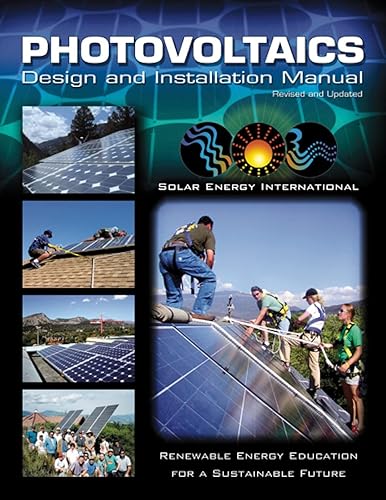 Best for installersPhotovoltaics: Design and Installation ManualView on Amazon
Our Top Picks
| Product | Best for | Key feature |
|---|---|---|
| Solar Engineering of Thermal Processes, Photovoltaics and Wind | Students and engineers wanting both thermal and PV coverage | Covers solar thermal and photovoltaic side by side |
| Fundamentals of Solar Cells and Photovoltaic Systems Engineering | Readers who want the physics behind cells | Cell-level theory connected to system behavior |
| Advanced Photovoltaics & PV System Engineering | Designers working on larger or next-generation systems | Design, integration and optimization focus |
| Photovoltaic Solar Engineering | Readers focused on inverters and energy conversion | Inverter and performance optimization coverage |
| Solar Photovoltaic Basics | Beginners and budget-minded readers | Compact introduction to PV fundamentals |
| Install Your Own Solar Panels | Homeowners planning a DIY photovoltaic install | Step-oriented design and installation guidance |
| Photovoltaics: Design and Installation Manual | Installers and technical trade readers | Practical design and installation reference |
Solar Engineering of Thermal Processes, Photovoltaics and Wind
Solar Engineering of Thermal Processes, Photovoltaics and Wind
Best for: Readers who want solar thermal and photovoltaic topics in one volume
This is a good fit for engineering students and practicing engineers who need to understand how solar thermal collectors and photovoltaic systems work, and how wind fits into the broader renewable picture. It also suits readers who expect to move between thermal and electrical design problems.
Key specs:
- Covers thermal processes, photovoltaics and wind energy
- Engineering-level treatment of energy conversion
Pros:
- Addresses solar thermal and photovoltaic systems together
- Useful framing for comparing the two technologies
- Broad scope for coursework or reference
Cons:
- Assumes a solid engineering background
- Wind coverage adds material beyond solar-only needs
Bottom line: The strongest all-around choice if you need both solar thermal and photovoltaic coverage in a single engineering text.
Fundamentals of Solar Cells and Photovoltaic Systems Engineering
Fundamentals of Solar Cells and Photovoltaic Systems Engineering
Best for: Readers who want the physics of solar cells before system design
Suited to students and engineers who want to understand semiconductor behavior, cell performance and how individual cells connect into working systems.
Key specs:
- Focus on solar cell fundamentals and PV system engineering
Pros:
- Strong theoretical grounding for PV work
- Links cell physics to system-level behavior
- Useful for understanding efficiency limits
Cons:
- Math-heavy for casual readers
- Less focus on solar thermal topics
Bottom line: Pick this if your priority is understanding why photovoltaic cells behave as they do.
Advanced Photovoltaics & PV System Engineering
Advanced Photovoltaics & PV System Engineering: Comprehensive Design, Integration, and Optimization of Next-Generation Photovoltaic Systems
Best for: Designers working on advanced or large-scale PV projects
This suits engineers and advanced students who already know PV basics and want guidance on design, integration and optimization of modern systems.
Key specs:
- Covers design, integration and optimization of PV systems
Pros:
- Focused on system-level design decisions
- Covers integration and optimization topics
- Relevant to newer PV technologies
Cons:
- Not ideal for absolute beginners
- No solar thermal coverage
Bottom line: A good step up for designers who have the basics and need advanced system planning.
PHOTOVOLTAIC SOLAR ENGINEERING
PHOTOVOLTAIC SOLAR ENGINEERING: Solar Cell Design PV Systems Inverters Energy Conversion Installation and Performance Optimization
Best for: Readers focused on inverters, energy conversion and performance
A fit for technicians and engineers who want to understand the conversion chain from panel to usable power and how to improve installed performance.
Key specs:
- Covers solar cell design, inverters, energy conversion and installation
Pros:
- Strong coverage of inverters and conversion
- Connects design to installation and performance
- Practical orientation toward optimization
Cons:
- Broad title may cover some topics less deeply
- No solar thermal coverage
Bottom line: Choose this if inverter selection and performance tuning are your main concerns.
Solar Photovoltaic Basics
Solar Photovoltaic Basics
Best for: Beginners and budget-conscious readers
Good for readers new to solar energy who want a clear introduction before committing to a larger reference.
Key specs:
- Introductory coverage of photovoltaic fundamentals
Pros:
- Accessible starting point
- Covers core PV concepts
- Budget-friendly format
Cons:
- Limited depth for professional design work
- No solar thermal coverage
Bottom line: The right first book for someone new to photovoltaics who wants fundamentals without heavy math.
Install Your Own Solar Panels
Install Your Own Solar Panels: Designing and Installing a Photovoltaic System to Power Your Home
Best for: Homeowners planning a DIY photovoltaic installation
Aimed at homeowners who want to design and install a PV system to power their home and need a practical, project-oriented guide.
Key specs:
- Covers design and installation of a home photovoltaic system
Pros:
- Written for hands-on homeowners
- Covers the full design-to-install path
- Practical focus on home systems
Cons:
- Electrical work should still involve a licensed professional where required
- No solar thermal coverage
Bottom line: The best match for a homeowner who wants a DIY photovoltaic project guide. Consult a licensed electrician for permitting and grid connection.
Photovoltaics: Design and Installation Manual
Photovoltaics: Design and Installation Manual
Best for: Installers and technical trade readers
Suited to installers, designers and technical staff who need a reference manual for PV design and installation practice.
Key specs:
- Design and installation manual format
Pros:
- Reference-style organization
- Practical installation focus
- Useful on the job
Cons:
- Older titles may lag current code and equipment
- No solar thermal coverage
Bottom line: A practical manual for installers. Check the edition date against current electrical codes.
Buying Guide
Solar thermal versus solar photovoltaic: know which you need
Solar thermal systems capture heat, typically for water or space heating, while photovoltaic systems convert light into electricity. Many readers searching for solar thermal or photovoltaic material are actually trying to decide between the two. A book that covers both gives a comparison, while a PV-only or thermal-only book goes deeper in one direction.
Good picks for this: Solar Engineering of Thermal Processes, Photovoltaics and Wind; Solar Photovoltaic Basics
Depth of theory versus practical design
Some books focus on the physics of cells and conversion, while others focus on sizing, layout and installation. Decide which you need before buying. Theory-heavy texts suit students, and design manuals suit people building or specifying systems.
Good picks for this: Fundamentals of Solar Cells and Photovoltaic Systems Engineering; Install Your Own Solar Panels
Edition date and code currency
PV technology and electrical codes change. Check the publication year and whether the book references current standards. This matters most for installation manuals, where outdated guidance can cause problems on a real job.
Good picks for this: Photovoltaics: Design and Installation Manual; Advanced Photovoltaics & PV System Engineering
Inverter and system performance coverage
Inverters and performance optimization are often underexplained. If you plan to size or troubleshoot a grid-tied system, look for explicit coverage of conversion, inverter selection and performance losses.
Good picks for this: Photovoltaic Solar Engineering; Advanced Photovoltaics & PV System Engineering
Your background and math comfort
Be honest about your starting point. Engineering texts assume calculus and circuit fundamentals. Introductory books cover the same ground without heavy derivations. Starting too advanced leads to frustration.
Good picks for this: Solar Photovoltaic Basics; Fundamentals of Solar Cells and Photovoltaic Systems Engineering
Scope beyond solar
Some titles include wind or other renewables. That can be useful for a broad energy course but adds material you may not need for a solar-only project. Match the scope to your goal.
Good picks for this: Solar Engineering of Thermal Processes, Photovoltaics and Wind
Safety and local permitting
Reading about PV design does not replace local electrical codes, permits or licensed electrician involvement. Use any book as a learning tool and verify wiring, grounding and grid connection with a qualified professional where required.
Good picks for this: Install Your Own Solar Panels; Photovoltaics: Design and Installation Manual
FAQ
What is the difference between solar thermal and photovoltaic systems?
Solar thermal systems collect sunlight as heat, usually to warm water or a building. Photovoltaic systems use solar cells to produce electricity. Both use the sun, but they produce different outputs and use different components.
Is a book on solar thermal and photovoltaic topics useful for beginners?
Yes, if you choose an introductory title. Solar Photovoltaic Basics is aimed at newcomers. Engineering-level texts are better once you have the fundamentals.
Can I learn to install a PV system from a book alone?
A book can teach design concepts and workflow, but installation involves electrical codes, permits and safety requirements. Consult a licensed electrician before connecting anything to your home electrical system.
Which should I read first, theory or design?
If you are new, start with fundamentals. If you already understand cells and conversion, move to design and installation references. This sequence builds understanding without overwhelming you.
Do these books cover solar thermal water heating?
Coverage varies. Some titles address solar thermal processes alongside photovoltaics, while most PV-focused books do not cover thermal systems at all. Check each listing for the topics you need.
How do I know if a book is still current?
Check the publication year and whether it references recent standards. PV equipment and codes evolve, so newer editions are generally safer for installation work.
Conclusion
For readers who need solar thermal and photovoltaic topics together, the engineering text that covers thermal processes, photovoltaics and wind is the most complete choice. For PV theory, the cell fundamentals book is the strongest option. Beginners should start with the basics title, while homeowners planning a project may find the DIY install guide most practical. Installers and advanced designers will get the most from the design and inverter-focused titles. Match your pick to your current level and goal, and verify any installation against local codes.
Sources
- Federal guidance on solar energy technologies, including solar thermal and photovoltaic systems (energy.gov)
- Research on photovoltaic performance, system design and solar thermal technologies (nrel.gov)
- Electrical installation standards referenced for photovoltaic systems (nfpa.org)
Related reading
- 6 Best Photovoltaic Thermal Hybrid Solar Collector Options Compareds (2026)
- Top 7 Most Certified Solar Thermal Products in the U.S. Compareds
- Top 6 Solar Thermal Energy Collector Options Worth Considering in 2026
- Top 5 Thermal Solar Water Heater Options Compareds in 2026
- Top 5 Solar Thermal Collector Panel Options with Heavy-Duty Builds (2026)
About Ethan Brooks
Ethan Brooks is part of our editorial team and reviews and edits our solar water heaters guides, checking product details against manufacturer specifications and owner feedback.