By Graham Fisher
Updated November 2026
Shopping for a closed loop solar water heater means weighing how the collector, heat exchanger, and storage tank work together. This list focuses on the criteria that matter most in a closed loop setup: freeze protection through a separate glycol or antifreeze circuit, heat exchanger efficiency, tank capacity, collector type, and whether the unit suits a home system or a pool. Each pick is grouped by its best-fit use.
Our top picks at a glance
- 1
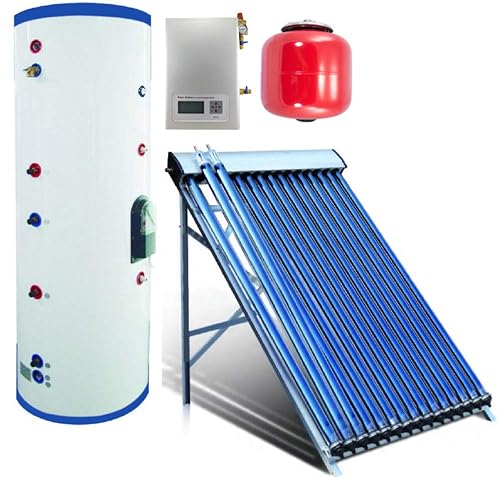 TOP CHOICEBest overall1000 Liter Water Heater Active Split System Single Coil Tank 45 Deg FrView on Amazon
- 2
 TOP CHOICEBest for large households300 Liter SUS304 Passive Duda Solar Water Heater Attached PressurizedView on Amazon
- 3
 TOP CHOICEBest for small homes150 Liter Standard Passive Water Heater Attached Pressurized Tank Evacuated Tubes HotView on Amazon
- 4Best for mid-size families180 Liter Standard Passive Water Heater Attached Pressurized Tank Evacuated Tubes HotView on Amazon
- 5
 Best for pools (long run)Goplus 2.5FT x 10FT/ 20FT Solar Pool Heater for Above Ground Pool IngrView on Amazon
- 6
 Best for seasonal poolsVINGLI Solar Pool Heater, Domed and Foldable Solar Powered Hot Water HView on Amazon
- 7
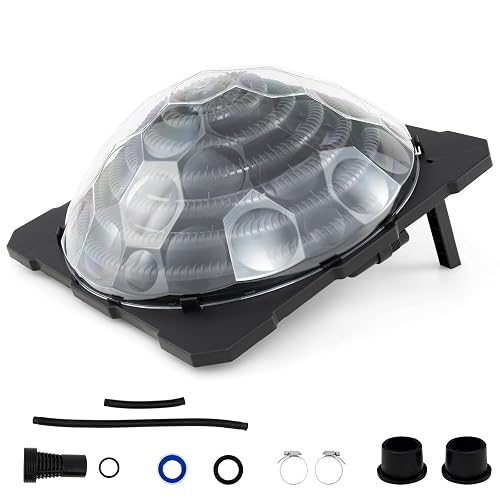 Best for dorm-style poolsGoplus Solar Pool Heater Above Ground, Inground Swimming Pool Dorm HeaView on Amazon
Our Top Picks
Quick Comparison
| Product | Best for | Key feature |
|---|---|---|
| 1000 Liter Active Split System | Large, high-demand homes | Separate coil tank |
| 300 Liter SUS304 Passive Duda | Large households | Pressurized SUS304 tank |
| 150 Liter Standard Passive | Small homes | Compact evacuated tubes |
| 180 Liter Standard Passive | Mid-size families | Attached pressurized tank |
| Goplus 2.5FT x 10FT Pool Heater | Long-run pool heating | Weatherproof panel |
| VINGLI Foldable Pool Heater | Seasonal pool use | Domed, foldable design |
| Goplus Dorm Pool Heater | Compact pool setups | Rotatable hose connectors |
1000 Liter Water Heater Active Split System Single Coil Tank 45 Deg Frame Evacuated Vacuum Tubes Hot SRCC Certified
1000 Liter Water Heater Active Split System Single Coil Tank 45 Deg Frame Evacuated Vacuum Tubes Hot SRCC Certified
Best for: Large, high-demand homes that need a true split closed loop design.
This active split system separates the collector loop from the potable water tank, which is the core advantage of a closed loop layout. It suits homes with heavy hot water demand.
Pros
- Separate coil tank keeps potable water isolated from the collector fluid
- SRCC certification listed on the product name
Cons
- Active split systems need pumping and controls, which adds setup work
300 Liter SUS304 Passive Duda Solar Water Heater Attached Pressurized Tank Evacuated Tubes Hot
300 Liter SUS304 Passive Duda Solar Water Heater Attached Pressurized Tank Evacuated Tubes Hot
Best for: Large households that want a pressurized, stainless tank.
A 300-liter capacity and SUS304 stainless construction suit families with steady daily use. Owners often report that the attached pressurized tank simplifies plumbing.
Pros
- Large 300-liter capacity
- SUS304 stainless tank construction
Cons
- Large footprint needs a sturdy, sun-facing mount
150 Liter Standard Passive Water Heater Attached Pressurized Tank Evacuated Tubes Hot
150 Liter Standard Passive Water Heater Attached Pressurized Tank Evacuated Tubes Hot
Best for: Small homes and apartments with modest hot water needs.
The 150-liter size fits a couple or small household and takes up less roof or wall space than larger tanks.
Pros
- Compact tank fits tight mounting spaces
- Evacuated tube collector for better heat retention
Cons
- Limited storage may run short during cloudy stretches
180 Liter Standard Passive Water Heater Attached Pressurized Tank Evacuated Tubes Hot
180 Liter Standard Passive Water Heater Attached Pressurized Tank Evacuated Tubes Hot
Best for: Mid-size families looking for a balance of capacity and footprint.
The 180-liter tank sits between the small and large options and suits households of three or four people.
Pros
- Good middle ground between capacity and size
- Attached pressurized tank simplifies connections
Cons
- Passive operation depends on consistent sun exposure
Goplus 2.5FT x 10FT Solar Pool Heater for Above Ground Pool Inground Pools, Swimming Pool Solar Panel Heating System, Weatherproof Pool Warmer
Goplus 2.5FT x 10FT/ 20FT Solar Pool Heater for Above Ground Pool Inground Pools, Swimming Pool Solar Panel Heating System, Weatherproof Pool Warmer (2.5FT x 10FT)
Best for: Long-run pool heating where a fixed panel array makes sense.
This panel system works with above-ground and inground pools and is sized in the 10-foot and 20-foot options, so it fits most backyard setups. If you want more background, see 7 Best Solar Water Trough Heaters for Horses Compared.
Pros
- Weatherproof panel suited to year-round outdoor exposure
- Available in multiple lengths
Cons
- Fixed panels take up permanent space in the yard
Buying Guide
Freeze Protection and the Closed Loop Circuit
A closed loop system circulates a heat-transfer fluid, usually a glycol antifreeze mix, through the collector and a heat exchanger instead of sending household water directly through the panels. This separation is the main reason to choose a closed loop design, since it protects the collector from freezing in cold climates. Confirm that any unit you consider uses a sealed fluid circuit and that the fluid is rated for the lowest temperatures you expect where you live.
Heat Exchanger Design and Efficiency
The heat exchanger moves heat from the collector fluid into your water, so its design affects how quickly the tank warms. Single coil and split system designs differ in how they transfer heat and how easily they can be serviced. Look for a heat exchanger sized appropriately for the tank volume so the water reaches usable temperatures during typical sunny hours.
Tank Capacity and Household Demand
Storage capacity should match how much hot water your household uses in a day. Smaller tanks suit a single person or a couple, while larger tanks serve families or homes with high daily demand. Oversizing adds cost and standby heat loss, so choose a capacity that fits your real usage rather than the biggest option available.
Collector Type and Installation Location
Evacuated tube collectors tend to perform well in cooler or cloudier conditions because the vacuum reduces heat loss, while flat plate collectors are often simpler and less expensive. Consider roof space, orientation, and tilt angle, since these determine how much sunlight the collector receives. For pool heaters, the collector size should match the pool surface area and the local climate.
Application: Home Water Heating Versus Pool Heating
Some options in this list are built for domestic hot water, while others are designed for pool heating. Choose a unit based on the job you need done, because a pool heater is not a substitute for a potable water system and vice versa. Check that the fittings, materials, and pressure ratings match your intended application.
FAQ
What is a closed loop solar water heater?
A closed loop solar water heater circulates a separate heat-transfer fluid, typically an antifreeze solution, through the collector and a heat exchanger. The heat from the fluid warms the water in the storage tank without the household water ever passing through the collector. This design helps protect the system from freezing.
Does a closed loop system work in freezing climates?
Closed loop systems are generally better suited to cold climates than direct circulation systems because the antifreeze fluid protects the collector. The fluid must be rated for the lowest temperatures in your area. Always confirm the freeze rating with the manufacturer before installation.
Is a closed loop system more efficient than an open loop system?
Efficiency depends on the collector type, heat exchanger design, and local sunlight rather than the loop type alone. Closed loop systems add a heat exchanger step, which can reduce heat transfer slightly, but they gain reliability in freezing conditions. Compare specific models based on your climate and daily hot water needs.
How do I choose the right tank size?
Estimate your household’s daily hot water use and choose a tank that covers that amount with some margin. Undersized tanks can run out of hot water on cloudy days, while oversized tanks waste energy through standby heat loss. A local installer can help you refine the estimate based on your household.
Can a solar pool heater be used for domestic hot water?
Pool heaters are designed to warm pool water and are not intended for drinking water or household use. Domestic hot water systems use tanks, fittings, and materials rated for potable water. Always use equipment designed for the specific purpose you have in mind.
Do I need a professional to install a closed loop system?
Installation typically involves roof mounting, plumbing connections, and handling the antifreeze circuit, so professional installation is often recommended. Local building codes and permit requirements may also apply. A qualified installer can confirm proper sizing and safe connections.
Conclusion
For homeowners who need reliable domestic hot water in a cold climate, a closed loop domestic system with a suitable tank size and evacuated tube collector is the most practical choice. Households with lower demand or milder weather may find a smaller passive or standard unit meets their needs at a lower cost.
If your goal is to extend the swimming season, a solar pool heater sized to your pool area is the right category. Match each product to its intended use, and verify freeze protection, capacity, and installation requirements before you buy.
Related reading
- 4 Best Closed Loop Solar Hot Water System Options Compared (2026)
- Winterizing a DIY Solar Water Heater: Freeze Protection Options
- Water Quality and Scaling in Solar Water Heaters
- Thermosiphon Solar Water Heaters: Natural Circulation Explained
- Solar Water Heater Temperature Problems: Too Cold or Too Hot
- Solar Water Heater Controls and Sensors: How Differential Control Works
- Solar Water Heater Collectors: Batch, Flat Plate and Evacuated Tube
- Solar Water Heater Codes, Permits and Professional Review
About Graham Fisher
Graham Fisher is part of our editorial team and reviews and edits our solar water heaters guides, checking product details against manufacturer specifications and owner feedback.