By Graham Fisher
Updated November 2026
Choosing a modern solar water heater comes down to three things: how much hot water your household uses, how cold your winters get, and whether you want a ready-made system or a build you can handle yourself. The picks below are based on product listings, manufacturer specifications, and patterns in owner feedback. We have not tested these units ourselves. Each entry is judged on capacity, collector type, freeze handling, and how well the product fits a specific need.
Our top picks at a glance
- 1
 TOP CHOICEBest overallWhole House On/Off Grid Split Solar Water Heater SystemView on Amazon
- 2
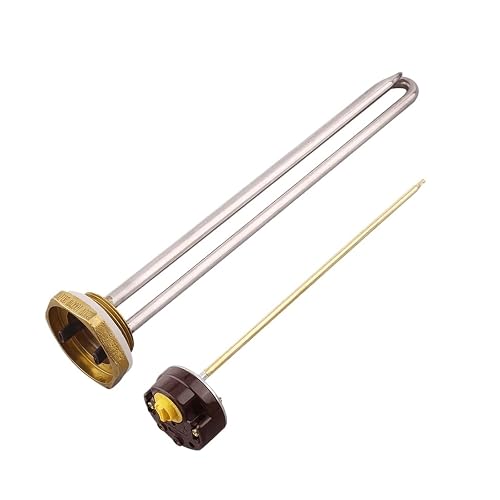
 TOP CHOICEBest for compact backup heating2000W Immersion Water Heater with Digital ThermometerView on Amazon
- 3
 TOP CHOICEBest for DIY collector buildsSW-38 Solar Water Heater PanelsView on Amazon
- 4
 Best for off-grid campingCamping Shower with Heater for USB Solar Charging PanelView on Amazon
- 5
 Best for pressurized storage300 Liter SUS304 Passive Duda Solar Water HeaterView on Amazon
- 6
 Best for small-batch heatingBSEED Immersion Water Heater Electric 2000WView on Amazon
- 7
 Best for evacuated tube collectorsMISOL Solar Collector of Solar Hot Water Heater/with 10 Evacuated TubeView on Amazon
Our Top Picks
| Product | Best for | Key feature |
|---|---|---|
| Whole House On/Off Grid Split Solar Water Heater System | Whole-house supply | Split design, 50-gallon option |
| 2000W Immersion Water Heater with Digital Thermometer | Backup heating | Auto shut-off, stainless guard |
| SW-38 Solar Water Heater Panels | DIY collector builds | Panel-based collector array |
| Camping Shower with Heater for USB Solar Charging Panel | Off-grid camping | USB solar charging, portable pump |
| 300 Liter SUS304 Passive Duda Solar Water Heater | Pressurized storage | Attached 300 L tank |
| BSEED Immersion Water Heater Electric 2000W | Small-batch heating | Heats 5 gallons quickly |
| MISOL Solar Collector of Solar Hot Water Heater | Evacuated tube collectors | 10 heat pipe vacuum tubes |
Whole House On/Off Grid Split Solar Water Heater System
Whole House On/Off Grid Split Solar Water Heater System (200L or 50 Gallons)
Best for: Whole-house supply
This split system suits homeowners who want a central hot water supply that can run with or without grid power. Manufacturers list 200-liter and 50-gallon sizing, so it fits households with steady daily demand.
Pros
- Split design separates the collector from the storage tank.
- Available in a 50-gallon configuration.
Cons
- Full installation requires plumbing and roof work.
2000W Immersion Water Heater with Digital Thermometer
2000W Immersion Water Heater with Digital Thermometer, Portable Bucket Heater with Auto Shut-Off & 304 Stainless Steel Guard, Bathtub & Home UseRapid Heating for Inflatable Pool
Best for: Backup heating
This immersion heater works as a supplement when solar input falls short on cloudy days. It is aimed at people who want a simple, portable heat source for a bucket, tub, or small pool.
Pros
- Digital thermometer shows water temperature directly.
- Stainless steel guard and auto shut-off are listed as standard.
Cons
- Runs on electricity, so it is not a solar-only solution.
SW-38 Solar Water Heater Panels
SW-38 Solar Water Heater Panels
Best for: DIY collector builds
Builders who plan to assemble their own collector array will find this panel type a practical starting point. It is best suited to people comfortable with plumbing and mounting work.
Pros
- Panel format works well for custom roof layouts.
- Suits builders who want to size the array themselves.
Cons
- Requires separate tank, piping, and controls.
Camping Shower with Heater for USB Solar Charging Panel
Camping Shower with Heater for USB Solar Charging Panel, Portable Shower Food-Grade Water Jug, 6000mAh Portable Shower Pump, 1500w Immersion Heater with Auto Shut-Off for Outdoor, Camping, Hiking
Best for: Off-grid camping
This portable kit is designed for campers and hikers who need warm water without a fixed installation. The solar panel charges the pump battery over the day.
Pros
- USB solar charging makes it usable without mains power.
- Food-grade water jug suits drinking-water storage.
Cons
- Limited volume compared with household systems.
300 Liter SUS304 Passive Duda Solar Water Heater
300 Liter SUS304 Passive Duda Solar Water Heater Attached Pressurized Tank Evacuated Tubes Hot
Best for: Pressurized storage
This passive system with an attached pressurized tank targets households wanting larger storage without pumps. Its evacuated tube design is listed for cold-climate performance.
Pros
- 300-liter tank offers substantial storage.
- SUS304 stainless construction is specified by the manufacturer.
Cons
- Large footprint needs roof or ground space.
BSEED Immersion Water Heater Electric 2000W
BSEED Immersion Water Heater Electric, 2000W Fast Heating Portable Water Heater with 304 Stainless Steel Guard & Digital LCD Thermometer, Heats 5 Gallons in Minutes for Camping, Bath & Small Pool
Best for: Small-batch heating
Users heating a few gallons for a bath, a camp wash, or a small pool will find this unit quick to use. It is a supplement rather than a solar system.
Pros
- Heats about 5 gallons in a short time, per the listing.
- Digital LCD thermometer and stainless guard included.
Cons
- Electric operation means ongoing power use.
Buying Guide
Household Hot Water Demand
Start by estimating how much hot water your household uses in a typical day. A single person or a couple with modest needs can often get by with a small collector or a portable unit, while a family with several daily showers and laundry loads will need a larger tank and more collector area. Matching capacity to real use keeps you from paying for storage you never draw down.
Climate and Freeze Protection
Local winter temperatures determine whether a passive system, a split system with a separate heat-transfer loop, or a drain-back design makes the most sense. In areas that see hard freezes, look for freeze-protection features and check whether the manufacturer describes how the system handles low temperatures. Warmer climates have more flexibility with simpler designs.
Collector Type and Efficiency
Evacuated tube collectors generally perform better in cold or cloudy conditions than flat-plate panels because the vacuum layer reduces heat loss. Flat-plate collectors are often simpler and less expensive to install in mild climates. Compare the collector design against the sunlight you actually get at your location.
Installation Complexity and Backup Heating
Some systems are plug-and-play for camping or small jobs, while whole-house setups may require plumbing work, roof mounting, and a permit. Consider whether you want an electric backup element for overcast days, and how easily the system integrates with your existing water heater. Factor in whether you plan to install it yourself or hire a professional.
Build Quality and Materials
Stainless steel tanks and guards, such as those made from 304-grade steel, tend to resist corrosion better over time. Check tank materials, warranty length as stated by the manufacturer, and the availability of replacement parts. Durable materials matter more for outdoor systems exposed to weather year after year.
FAQ
Do modern solar water heaters work on cloudy days?
Output is lower on cloudy days, but evacuated tube and well-insulated systems can still collect some heat under diffuse light. Most homeowners pair a solar system with a backup heater for stretches of poor weather. Check the manufacturer’s stated performance information for your region.
How much roof space do I need for a solar water heater?
The space depends on the collector type and the capacity of the system you choose. Whole-house split systems usually need a dedicated area with good southern or unobstructed exposure. Confirm the dimensions in the product listing before you buy.
Can I use a portable immersion heater for a full household?
Portable immersion heaters are designed for small volumes such as a bucket, bath, or small pool. They are not a substitute for a whole-house system. For regular household use, a tank-based system is the more practical choice.
Do I need a permit to install a solar water heater?
Requirements vary by city, county, and country, and whole-house installations often need a permit and inspection. Portable and camping units generally do not. Check with your local building department before starting any roof or plumbing work.
How long do solar water heaters typically last?
Lifespan depends on build quality, climate, maintenance, and how the system is installed. Stainless steel components and sealed collectors tend to last longer. Review the manufacturer’s warranty terms for the expected coverage period.
Conclusion
If you need whole-house hot water and have suitable roof exposure, the Whole House On/Off Grid Split Solar Water Heater System is the most complete option. For small-scale backup or quick heating of a bucket, bath, or small pool, the 2000W Immersion Water Heater with Digital Thermometer is the more practical pick.
Campers, hikers, and anyone wanting a lightweight outdoor solution should look at the camping shower kit, while homeowners who want a mid-sized passive system may find the 300 Liter SUS304 Passive Duda model a good fit. Match the product to your household size, climate, and installation comfort, and you will end up with the right system for your needs.
Related reading
- Winterizing a DIY Solar Water Heater: Freeze Protection Options
- Why Does My Solar Water Heater Timer Stop Working? Causes and Fixes
- Which Brand Solar Water Heater Is Best? 5 Top Picks Compared (2026)
About Graham Fisher
Graham Fisher is part of our editorial team and reviews and edits our solar water heaters guides, checking product details against manufacturer specifications and owner feedback.